



A guide to styling linen curtains

- Karina Dollman
- Consultant
In short
Linen brings beautiful texture and an effortless, relaxed drape to a room, which is why it is such a popular curtain look. The heading style sets the mood — pencil pleat for tidy elegance, tab top for something more casual — and linen loves to pool on the floor. For New Zealand conditions we usually recommend a linen blend or linen-look fabric, which gives you the look with far better performance and a longer life.
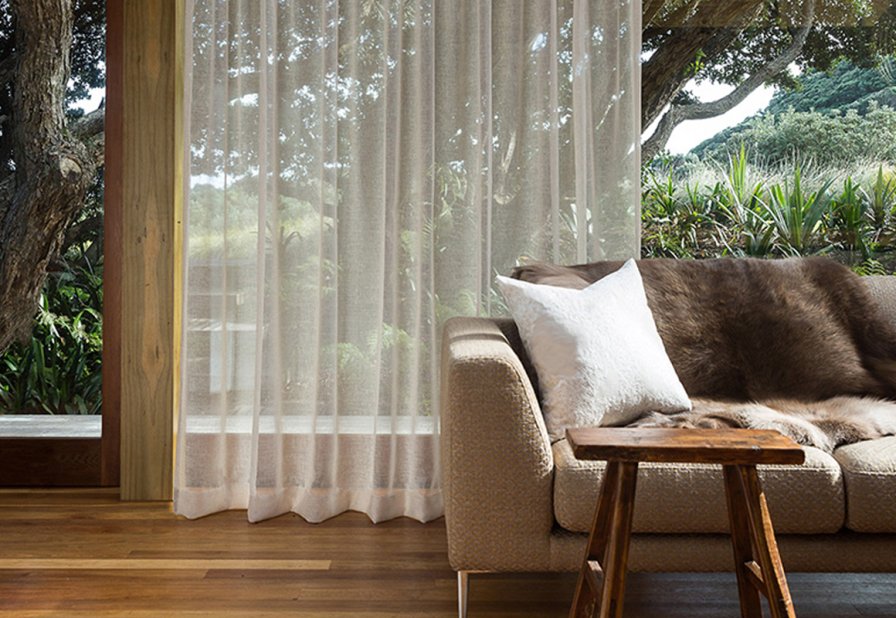
Linen is a textile that has been used for centuries. In terms of curtains, people like the texture it brings to a room as well as the elegant and effortless way linen drapes. We can help you achieve the popular linen look with a wide range of curtain fabrics that drape wonderfully to create an airy, relaxed feel; a great curtain option for bedrooms and living spaces.
We recommend linen blends or linen look fabrics to achieve the look you want at a cost effective price with good performance and a long life. You’ll find more on why at the end of this article.
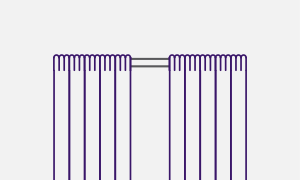
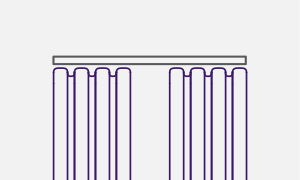
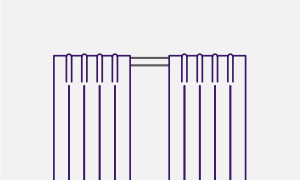
Linen fabric curtains can look casual and rustic or timelessly elegant depending on the heading style; choose a pencil pleat for something tidy and sophisticated or tab top for a more relaxed look.
In bright, sunny rooms choose either a light neutral tone or, if you want colour, perhaps choose a linen blend fabric as the harsh UV light in New Zealand has a tendency to fade natural linen.
Linen drapes really well so you have your pick of heading styles and hanging aesthetics. We recommend pooling; this is when the fabric is longer than the space it goes in and therefore the extra fabric pools (or puddles) on the floor.
Three different linens – pure linen, linen-look and a sheer:
Kyoto by James Dunlop
This 100% linen originates in Turkey and while it’s light and floaty as you’d expect from linen curtains, it’s texture, weight and 16 colour options allow it to be styled to suit a variety of spaces. The shade shown here is ‘indigo’.
Tidal by James Dunlop
A light and sheer fabric, Tidal is a blend of 60% linen with the rest polyester and cotton. It’s translucent and floaty, and has an organic-look stripe-like pattern through it that adds to the texture. We think it’s perfect for laid back living rooms, bedrooms and reading spaces. This shade, ‘Cloud’ is one of seven options.
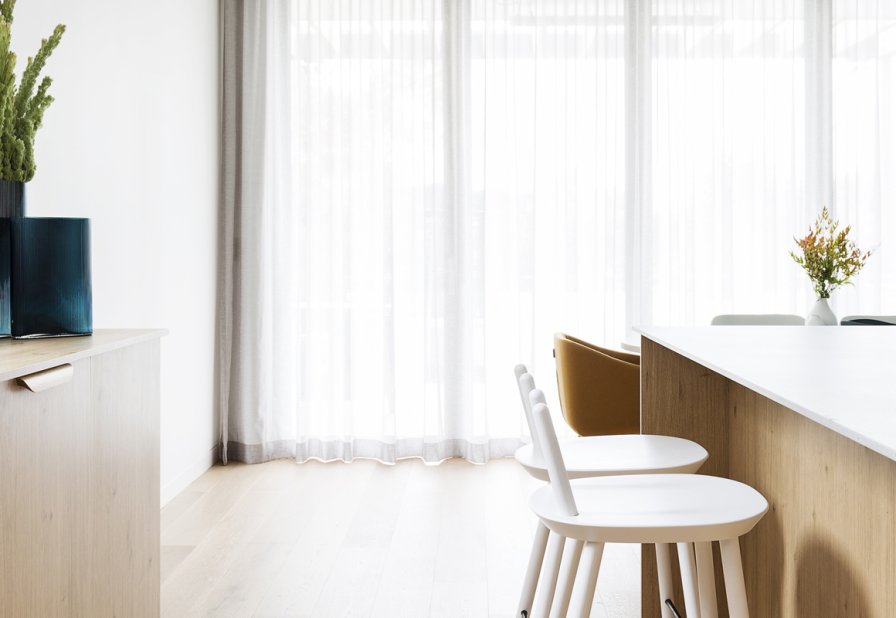
Chatham by James Dunlop
Part of what makes Chatham so impressive is that while it features a highly textured weave, it’s actually made of an acrylic polyester blend and is a ‘linen-look’ option. You may find these last that bit longer than a natural fibre like pure linen.
This solid-colour fabric is available in over 26 different shades, so there is no room that it cannot add to.
“Texture and craft are strong emerging trends, which are giving focus on timeless simplicity. Chatham cements this trend with a highly textured weave. A yarn dyed construction to give dimension and the characteristics of a hand loom, but with the durability of a modern textile”.
What are the drawbacks of pure linen?
We appreciate you may have a certain look in mind when choosing linen curtains so we aim to be upfront with our recommendation to choose a linen blend or linen look fabric. Here’s why:
Pure linen fabrics can come at a premium price that does not align with its delicate and temperamental nature.
Pure linen is not suited to New Zealand conditions as it moves with humidity, meaning your curtains may either be too long or too short on any given day.
Pure linen is notorious for creasing and cannot be steamed out as this stretches the fabric.
They are quite difficult to clean requiring gentle treatment.
Linen can attract mould and mildew, which will eventually rot the fabric.
Pure linen has a short lifespan.
Ready to find the right curtains for your home? Request a free in-home consultation and one of our local consultants will bring the samples to you, measure up, and give you a no-obligation quote.
Found this helpful? Share it with others…
Guides

Choosing the right curtains for your home
Not sure which curtains will suit your home? Find out everything you need to know with this free guide.


Frequently asked questions
Is pure linen or a linen blend better for curtains?
For most New Zealand homes we recommend a linen blend or linen-look fabric. You get the same beautiful texture and drape, but with better performance, easier care and a longer life than delicate pure linen.
Why doesn't pure linen suit New Zealand homes?
Pure linen moves with humidity, so curtains can sit too long or too short from day to day. It also creases badly, cannot be steamed without stretching, is tricky to clean, can attract mould and mildew, and has a relatively short lifespan.
What heading style suits linen curtains?
It depends on the mood you want. A pencil pleat gives a tidy, sophisticated finish, while a tab top feels more relaxed and casual. Linen also drapes beautifully, so pooling the fabric on the floor is a lovely option.
Will linen curtains fade in the sun?
Natural linen tends to fade under New Zealand's harsh UV light. In bright, sunny rooms it is best to choose a light neutral tone, or a linen blend fabric if you want stronger colour that will hold up better.
Expert advice at home
We come to you, anywhere in New Zealand. Because your place is the best place to choose curtains and blinds.