
















Choosing the right blinds for your home

- Karina Dollman
- Consultant
In short
Blinds are a versatile choice for almost any room, from bedrooms to kitchens and bathrooms, and the right option comes down to the space itself—how much light and privacy you need, and whether you prefer the look of slats or a single panel. There's a style for every setting, including roller, roman, venetian, honeycomb, vertical, double roller and Elegance Shades. It's about matching the feature to the room: blockout fabrics keep bedrooms dark, sunscreen softens the light in sunny living areas, water-resistant PVC or aluminium stands up to kitchens and bathrooms, and honeycomb blinds add insulation. Custom-made blinds are worth choosing over readymade, as they fit precisely and avoid the gaps that let in light and reduce efficiency, and pairing them with curtains gives you complete control day and night. Russells measures, makes and installs custom blinds nationwide, with free in-home consultations available.
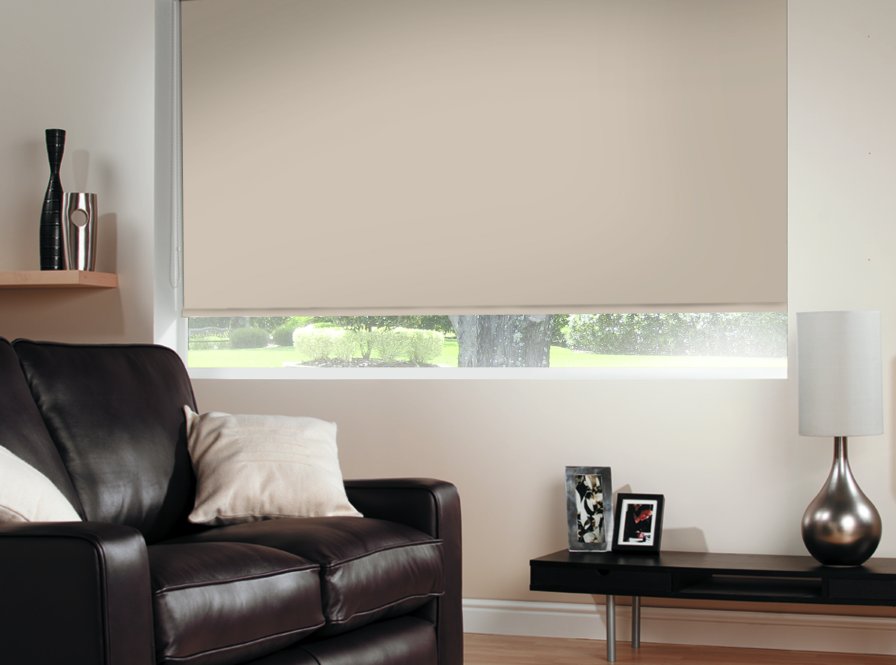
Table of contents
Different types of blinds
Roller blinds
Rollers offer a minimalist look. There are blockout roller blinds for full privacy and improved energy efficiency, while sunscreen roller blinds filter light to protect your furnishings from UV rays, heat and glare.
Honeycombs
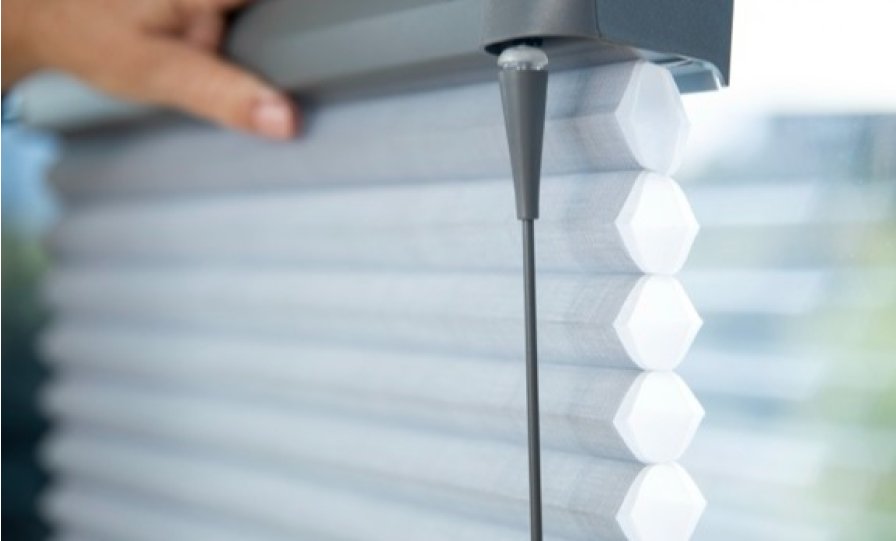
The best blinds for temperature control as their cell-like structure traps pockets of air to act as an insulating barrier. Lightweight and easy to operate, they can be opened either from the top or the bottom (or both) for complete light control.
Shutters
Shutters are a sophisticated alternative to blinds with slats that tilt to allow good air flow, and light and privacy control. PVC shutters work in any room because they're unaffected by moisture and humidity; aluminium shutters are suitable for both internal and external applications, while wood shutters offer very good heat deflection in summer and insulation in winter.
Venetian blinds
Venetian blinds have horizontal slats and are often made of metal such as aluminium, wood or PVC. Although you can draw venetian blinds completely up to the top of the window, it's recommended you leave them down (they'll last longer) and use the wand to tilt the slats open up to 180 degrees to allow light through.
Vertical blinds
Vertical blinds are made up of flat slats which, when drawn, can be tilted to allow light to filter through. They are fast and easy to operate, drawing to the side rather than lifting or lowering. A good choice for doors and windows that also slide open from side to side or angled windows. Vertical blinds are most commonly made of stiff fabric.
Roman blinds
When open, roman blinds fold and stack neatly at the top. When closed they lie smooth and flat. Good for blocking out the sun (when properly lined). Roman blinds are made of fabric and are therefore not suitable for bathrooms or kitchens.
Elegance Shades
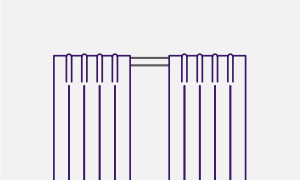
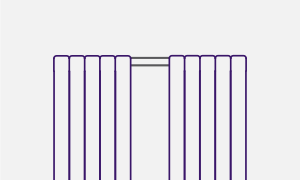
Get the best of curtains and blinds with Elegance Shades. Especially good in rooms where you want to create a seamless indoor/outdoor flow as they have no weights or connecting chains so you can simply walk right through them. Superior light and privacy control.
Which type of blinds for what rooms of the home?
Bathroom
Due to the moisture present in the bathroom, avoid blinds with wooden slats. PVC venetians are a good option because you can leave them down but allow light in by tilting the slats. Roller blinds are mould and mildew resistant so definitely an option to consider. Another thing to bear in mind for the bathroom is privacy. A honeycomb blind that can open from both top and bottom allows you to maintain privacy while still letting in plenty of natural light.
Bedroom
Keeping out light and reducing noise are likely to be a high priority for bedroom blinds so blockout roller blinds should be top of the consideration list. Roman blinds are also a nice option for the bedroom as they are made of fabric and can offer a romantic, soft look and feel. Vertical and venetian blinds offer good light control and privacy but won't guarantee total light blocking, certainly no noise reduction. If you like the slatted look, perhaps opt for shutters instead of a venetian blind.
Kitchen
Blinds in the kitchen need to be flame retardant and not susceptible to absorbing moisture and odours. Roller blinds, shutters and venetian blinds (not wood though, PVC is best) tick all these boxes, are easy to operate and allow you to control the amount of light coming through the window.
Lounge and living room
These living room spaces often get a lot of light, so a sunscreen roller blind is a great option during the day; consider a dual roller blind with a blockout option for night or pair with curtains. Venetian or vertical blinds are also a popular choice. Both allow you to control light and in the case of a sliding glass door, vertical blinds are the most practical option. Shutters would also be worth considering here, as would honeycomb blinds; their cell-like structure offers excellent thermal insulation properties and while you may not be able to get full light blocking with a honeycomb, they will darken a room satisfactorily.
Custom or readymade blinds?
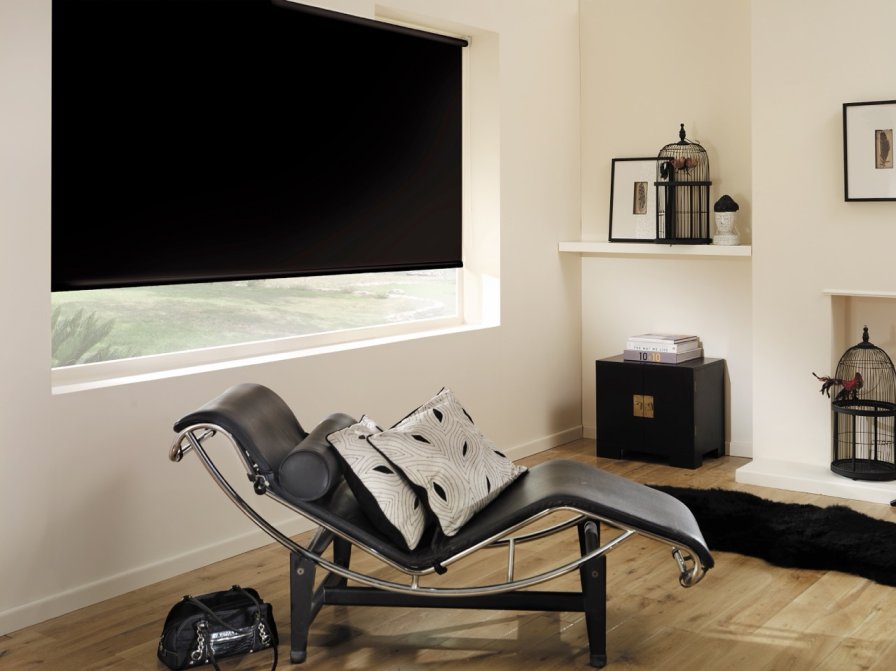
Although there are some readymade options on the market, custom blinds offer plenty of benefits in comparison.
Custom-made is the better choice if you want:
An exact fit, with a professional coming to your home to measure up.
The widest range of blind types, fabrics and materials to choose from.
Professional installation included, so your blinds hang and operate just right.
Allow a little lead time, as each blind is made to your order. It's also worth checking whether your blind maker charges separately for consultation and installation; at Russells, both are included.
Readymade is worth considering if you want:
A faster turnaround, as the blinds are premade.
A more economical option for outfitting a whole house or multiple windows.
Just keep in mind the range of blind types, fabrics and sizes is more limited, the fit may not be exact, and large-scale manufacturers sometimes sacrifice quality for quantity.
Selecting the right fabric type for roman blinds
It's easy to make a choice based on textures, colours and patterns, but perhaps the first thing you should decide is which type of fabric you want. Each has its own benefits and best uses based on its weight, texture, light blocking or exposing qualities, durability and sun-fade resistance.
It's also important to note that as New Zealand's climate can be quite humid and our sunshine harsh, we recommend fabrics crafted from either synthetic fibres or a blend of natural and man-made. These have proven to stand up to our environmental conditions.
Cotton
Cotton is versatile and offers a crisp, clean feel that suits traditional or modern styles. As it can be a very light fabric, cotton blinds do need to be properly lined so they hang and fall as desired.
Linen
As a natural fibre, linen is difficult to manage and degrades quickly. We recommend linen blends or linen look fabrics to achieve the same look you want at a more cost effective price with better performance and longer life.
Rayon
Rayon can be woven with natural fibres to achieve a variety of textures. It is soft, strong and breathable.
Polyester
A very common choice, polyester is durable, affordable, easy to care for, and doesn't really wrinkle, stretch or shrink. Choose polyester for bedroom and living areas, but avoid it in the kitchen as it's flammable and absorbs odours.
Velvet
Made of either natural or synthetic fibres, if you want glamour and richness in a room, pick velvet. It's thick and heavy making it great for bedrooms and living spaces where you want to block cold air and light and reduce noise.
Acrylic
With a similar texture to wool, acrylic is a lightweight fabric that drapes beautifully and provides great insulation. Acrylic blinds attract and disperse moisture effortlessly, they're hypoallergenic and resistant to mould and mildew.
Lining choices
Enhance the effectiveness of your roman blinds by utilising lining. Lining can dramatically improve heating efficiency, block out light and help to reduce noise.
Thermal lining maximises heating efficiency. It can also be utilised to reduce outside noise and unwanted light.
Blockout lining reduces natural light and UV rays, providing an ideal solution for darkening a bedroom or media room. It also offers excellent sound insulation and thermal properties.
Interlining is the layer of fabric between the main fabric and lining. To increase the insulating properties of your blinds, a light to medium weight interlining can be added. Interlining is ideal for increasing thermal performance and reducing noise.
Tips when choosing a fabric type
Hold the sample up to a window to see how it filters light. Choose patterned fabrics wisely; as roman blinds are made of panels it may take more fabric than you expect to line up and match the pattern seamlessly.

What should venetian blinds be made of?
What venetians are made of affects how they look and where you can use them. They are most commonly made of aluminium, wood or PVC, depending on the look and function required.
Material options for venetians
Plain wood offers a natural, warm look.
Aluminium venetian blinds make for a contemporary look and can come in many different colours and a variety of different finishes such as metallic, glossy, satin or matte.
PVC also gives you colour options as well as a wood look that is easier to clean and maintain.
The ideal rooms for venetian blinds
Venetian blinds are popular for their ability to control light and privacy. For that reason, you might want to put them on windows that get a lot of natural light or face a street or neighbour.
Bedrooms and living spaces are a popular choice but be aware they offer a 'harder' look when compared to fabric window furnishings. Kitchens are another common room for venetians because they're easy to clean and more flame retardant than a fabric blind. Bathrooms will also commonly feature venetians because they offer clean, simple lines and allow you to maintain privacy easily.
Note
For bathrooms, kitchens and laundries - or any areas with high moisture or humidity - wooden blinds may warp over time so consider aluminium or PVC instead.
Things that impact the style of your blinds
Fabric type (for romans only)
The type of fabric and lining you choose will affect how your blinds fall and how much light they let in. Some fabrics are better for different rooms too. See the section above for a quick guide on fabric types.
Colour and pattern
The best idea is to get samples so you can hold them up next to your walls to see how they look in your space. Maybe go for a darker colour for high traffic areas so it doesn't get too noticeably dirty. Rooms that get a lot of light probably need a lighter colour as a darker one may fade. And if choosing a blind with a pattern, the pattern size needs to be relevant to the window, ie. a large pattern for a large window so you can see it in all its glory, or a small pattern for smaller windows so nothing is lost due to size.
Choosing blinds for a grey room
Grey is a popular neutral tone for modern interiors. Here are some tips for blinds in a grey room.
Embrace the undertone
Identify the underlying hue of the grey and complement it with matching blinds. Greys usually fall into one of two main undertones: warm - which ranges from reds to purples, and cool - which has a bluey base.
Soft and subtle
Keep it neutral by combining white with soft grey, an interior scheme that is easy to update. This simple look complements natural materials, or you could add coloured accessories to easily change the look and feel on a limited budget.
Let it sparkle
Create a cool luxurious feeling with soft greys, metallic and vintage tones. A satin-look fabric in a similar shade creates an elegant look. Use layers and accessories to add warmth and interest to the room, such as blush and jewel coloured accent fabrics for cushions and throws, layering in vintage vases and accessories.
Where they hang
Consider if you want your blinds to be fitted outside the window frame or inside it. Fit your blinds inside the window frame for the cleanest look, if the frame is deep enough; just be aware this may block a small amount of light at the top of the window when raised during the day and is likely to allow in light at night as this fitting type requires small gaps around the blind to allow it to move freely.
Fitting blinds just above the sill and outside the frame is practical and flexible, suiting just about any window.
How they open and close
Roller blinds can be made to open from the front of the roll or the back of it. A back roll gets your blind snug up against the window or frame so is the better option for energy efficiency and light blocking, and is better on blinds fitted outside the window frame. Front roll means the blind roll is separated from the window and frame; this is a good option if you have something in the way, like a window latch/handle or you want to hide the componentry. A front roll is best for blinds fitted inside the window frame.
Honeycomb blinds have more versatile opening and closing options than other blinds. They can open and close from both the top and the bottom, giving you the option to allow light in from either direction.
Getting the most from your blinds
Insulation
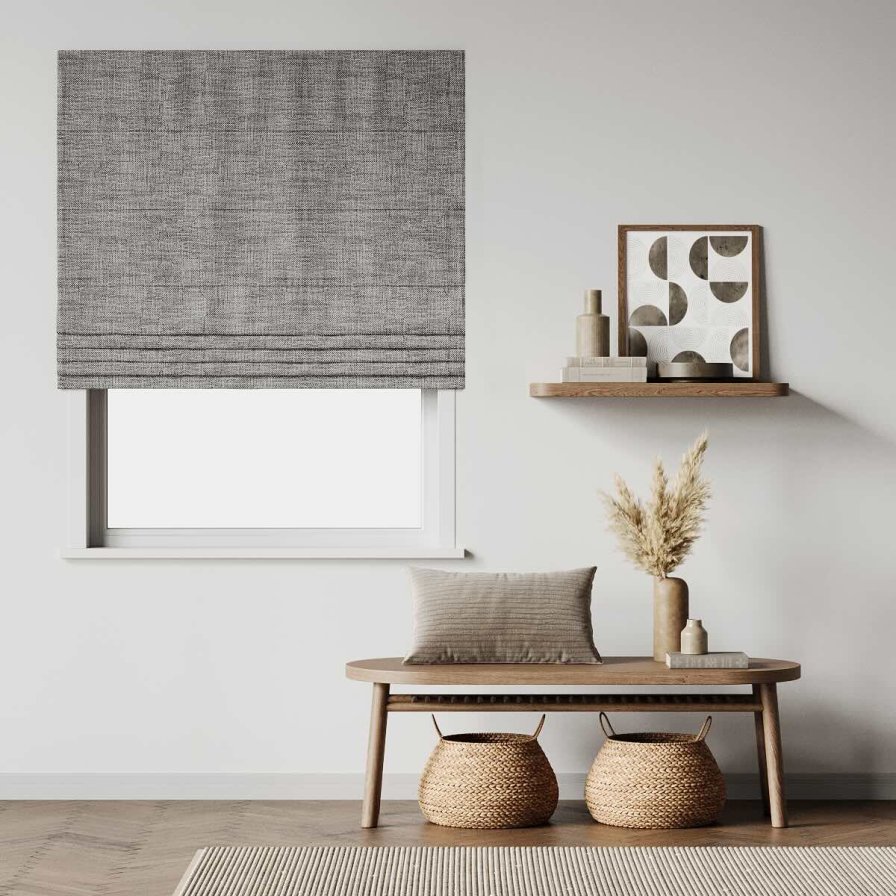
The best blinds for keeping your home warm in winter (and cooler in summer) are lined fabric roman blinds and honeycomb blinds. A thermally lined roller blind may also work well as long as you go for an outside mount with an under roll so it's close to the wall.
Noise reduction
Sound travels in waves and bounces off hard surfaces. To reduce noise you need soft surfaces that dampen it. The best options are fabric roman blinds with as much lining and interlining as you can get. Honeycomb blinds may also be an option worth considering as these too are fabric and their cellular structure acts a bit like double glazing.
Light and privacy control
Blinds with slats are superior here, ie. venetians, verticals and shutters. You can draw them right the way up for all the light, right the way down for all the dark, or down with the slats tilted for varying degrees of light.
Style
This will come down to personal preference. Some enjoy the minimalist look of a roller blind while others are looking to express their personality through colours and patterns of fabric. An easy place to start is asking yourself if you want a slatted look like venetians, verticals and shutters or a 'one piece' blind like romans and rollers. Honeycombs sit in the middle as a 'one piece' but the accordion style also means they have the lines of a slatted blind.
Safety
Veri-Shades® are a clever walk-through curtain. They hang beautifully with no weights or connecting chains and simply sway out of the way before settling back perfectly. This makes them a functional child and pet safe option. Also, our Zero Gravity roller blinds have no cord or chain and simply rise by themselves (after you give them a starting nudge).
Pairing blinds with curtains
It's common to have more than one window furnishing per window to achieve everything you want. There are many combos that work well. Pairing blinds with curtains follows a simple formula - choose something for filtering light and retaining privacy during the day and something to block out light and prevent anyone seeing in at night when your lights are on.
What works with what?
Your options will vary depending on your windows, but here is a basic list of configurations we've found work well when you want both on one window:
Lined curtains or sheers over venetian blinds (this option offers the most versatility as you can have the blind completely raised or lowered but with the slats tilted to let in light).
Lined curtains over sunscreen roller blind.
Lined curtains or sheers over shutters.
Sheer curtains over blockout roller blind.
Sheer curtains over honeycomb blind.
Roman blind over shutters.
Budgeting for blinds
We understand that window furnishing a whole house can be quite an investment. So, here are a few tips to help you fit them within your budget:
For a sense of likely costs before your consultation, see our guide to how much curtains and blinds cost.
Prioritise the most lived in rooms of your home first and make a plan for future investment for the remaining rooms.
Advise the consultant of your budget and ask to see window furnishing solutions that fit within that.
For rooms that do not need to have light blocked (such as the bathroom or laundry) consider frosted glass for the whole or part of the window.
If you are building new or undergoing significant construction as part of a reno, consult with your blind maker early as it could reveal options that won't be possible once the build is complete.
Caring for your blinds
Most blinds are easy to keep clean. A regular light dust or wipe is usually all they need, and choosing the right material makes upkeep simpler in busy or damp rooms.
For step-by-step advice, see our guides on the best ways to clean roman blinds and the easiest way to clean wood venetian blinds.
The benefits of choosing Russells for your custom blinds
When you choose Russells, you'll not only get beautiful custom blinds for your home, you'll also get a great experience, start to finish.
Our consultants will come right to you anywhere in New Zealand.
You'll get experienced advice from our consultants about which styles and materials are best for certain rooms, eg. bright rooms, damp rooms etc.
Your blinds will be professionally measured for a perfect fit.
We partner with Gem Visa to offer interest free purchases. Visit our website for T&Cs.
We make the majority of our blinds right here in New Zealand and we only source from our trusted suppliers to ensure great quality.
Professional installation is included as part of our service.
It's all backed by the Russells Promise for the best price, quality and experience.
The Russells Promise
We're committed to providing the best value curtain and blind experience in New Zealand. And we stand by this with the Russells Promise for the best quality, price and experience.
Our price promise
If you find a better price from a competitor on the same or similar products, including accessories and installation, within 7 days of purchase, we'll match it. We stand by our pricing and want you to be confident that you're receiving the best possible value when you buy from Russells.
Our quality promise
Our product range is either manufactured right here in New Zealand or sourced from our long-standing, trusted suppliers - plus every product is backed by extensive warranties. So you can buy with confidence knowing you're getting a high-quality result for your home.
Our experience promise
We go the extra mile to provide a true end to end experience that is the best in the country. It all starts with our expert style consultants that will come to you anywhere in New Zealand and ends with our professional installation service. All you have to do is sit back and enjoy your new curtains or blinds.
Ready to find the right blinds for your home? Request a free in-home consultation and one of our local consultants will bring the samples to you, measure up, and give you a no-obligation quote.
Found this helpful? Share it with others…
Guides

Choosing the right curtains for your home
Not sure which curtains will suit your home? Find out everything you need to know with this free guide.


Frequently asked questions
Which blinds are best for insulation?
Honeycomb blinds are the top performer — their cellular structure traps air to slow heat loss. Lined roman blinds and thermally-lined roller blinds fitted close to the window also insulate well. Your consultant can recommend the best option for each room.
What blinds are best for bathrooms and kitchens?
Choose moisture-resistant options such as aluminium or PVC venetians, or a water-resistant roller blind. Avoid timber in wet areas as it can warp over time.
Are blinds a good choice for bedrooms?
Yes — a blockout roller or honeycomb blind is ideal for darkening a bedroom, and pairs beautifully with a sheer or curtain on a dual track for daytime privacy.
Can blinds be motorised?
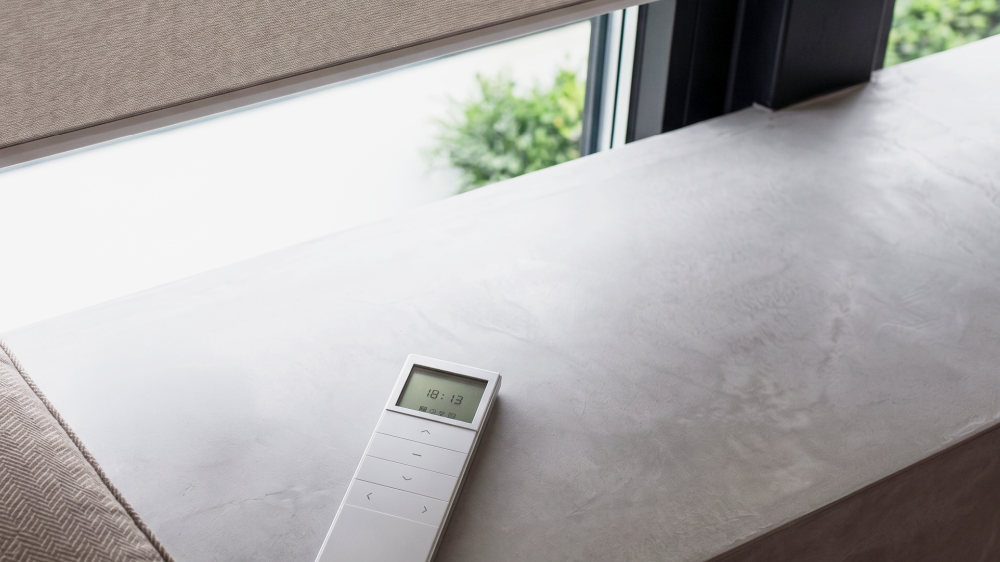
Yes. Motorisation is available across roller, honeycomb and roman blinds, and is a great cord-free, child-safe option for high or hard-to-reach windows.
Are Russells blinds custom-made in New Zealand?
Yes. Most of our blinds are made in New Zealand and measured and installed by your local consultant, backed by our Guaranteed Perfect Fit.
Expert advice at home
We come to you, anywhere in New Zealand. Because your place is the best place to choose curtains and blinds.