




Choosing the right curtains for your home

- Karina Dollman
- Consultant
In short
Curtains add warmth, style and insulation to rooms like living rooms and bedrooms. The right choice comes down to fabric, lining, heading style and how they hang — and whether you go custom-made or readymade. The short version: Custom-made gives an exact fit, more fabric choice and professional installation; readymade is faster and cheaper for standard windows. Choose fabric for the room: durable polyester for living spaces, airy sheers and linen-look fabrics for light, and heavy velvet for drama and warmth. Add a lining — thermal for warmth, blockout for darkness — to boost performance. Pick a heading style (pencil pleat, S-fold, eyelet and more) to set the look. Russells measures, makes and installs custom curtains nationwide — book a free in-home consultation.
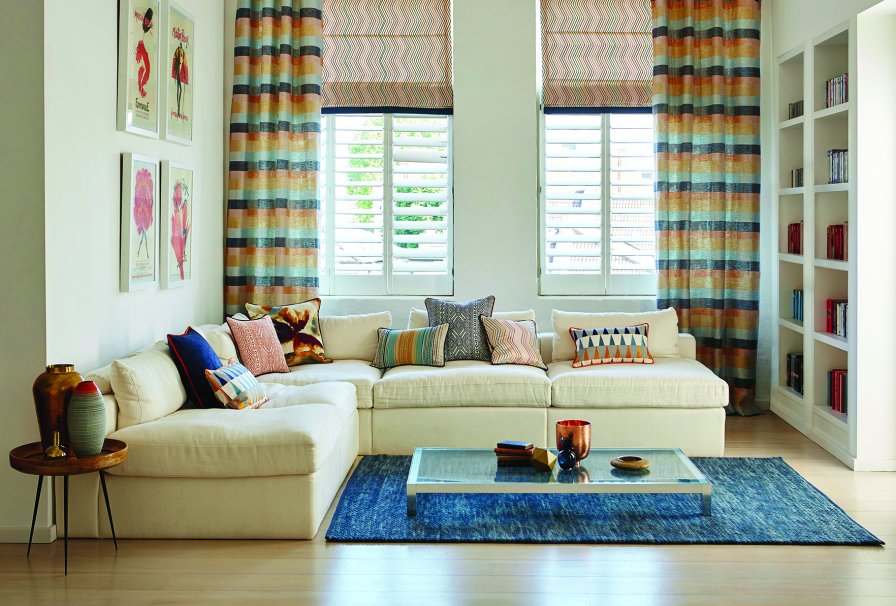
Table of contents
Custom or readymade curtains?
The first question to ask is whether you would prefer to buy readymade curtains or have them custom made to fit your home and style.
Custom-made is the better choice if you want:
An exact, professionally measured fit. One of our consultants takes the measurements for you, so everything hangs perfectly.
The widest choice of fabrics, colours and patterns, with samples brought to your home so you can see them in your space.
Your own choice of heading style to suit the look you're after.
It's worth allowing a little lead time and a slightly higher budget, as each curtain is made to order.
Readymade is worth considering if you want:
A faster turnaround, as the curtains are already made.
A more economical option for outfitting a whole house or multiple windows.
A simple range of neutral colours for an effortless look.
Just keep in mind you're working with standard sizes, so the fit may not be exact and your preferred colour, pattern or size may not be available.
Note
It's also possible to use a combination, with readymades for more standard size windows and customs for larger windows or statement rooms.
Selecting the right curtain fabric type
It's easy to make a choice based on textures, colours and patterns. But each fabric type also has its own benefits and best uses based on weight, light filtering/blocking qualities, durability and sun-fade resistance. The type of fabric you choose also affects how your curtains fall and some fabrics are better for different rooms too.
It's important to note that as New Zealand's climate can be quite humid and our sunshine is harsh, we recommend fabrics crafted from either synthetic fibres or a blend of natural and man-made. These have proven to stand up to our environmental conditions.
Cotton
Cotton is versatile and offers a crisp, clean feel that suits traditional or modern styles. As it can be a very light fabric, cotton curtains do need to be properly lined so they hang and fall as desired.
Linen
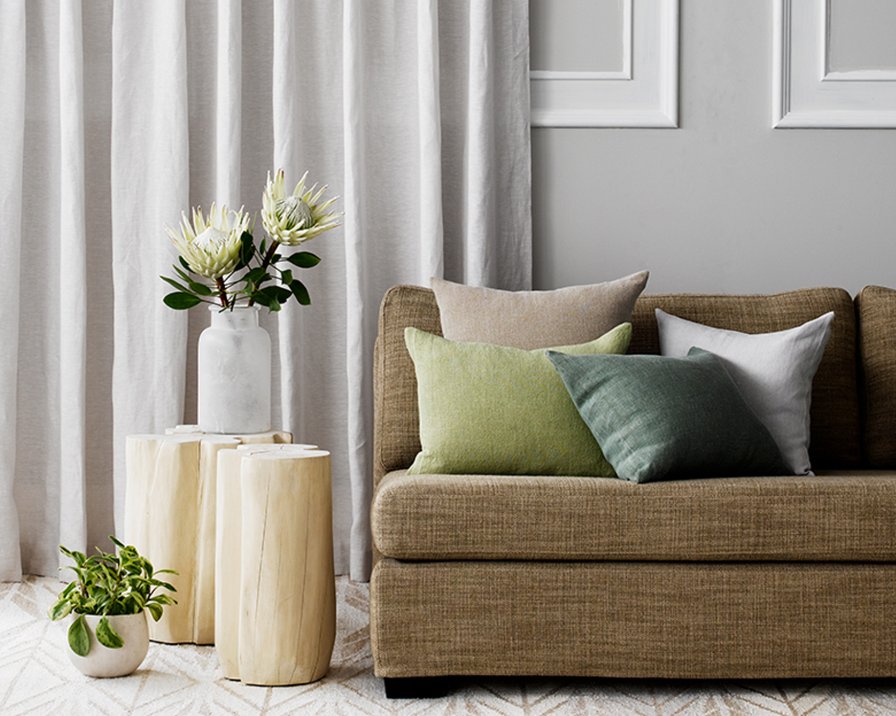
As a natural fibre, linen is difficult to manage and degrades quickly. We recommend linen blends or linen look fabrics to achieve the same look you want at a more cost effective price with better performance and longer life.
Polyester
A very common choice; polyester is durable, affordable, easy to care for, and doesn't really wrinkle, stretch or shrink. Choose polyester for bedroom and living areas, but avoid it in the kitchen as it's flammable and absorbs odours.
Velvet
Made of either natural or synthetic fibres, if you want glamour and richness in a room, pick velvet. It's thick and heavy making it great for bedrooms and living spaces where you want to block cold air and light and reduce noise.
Acrylic
With a similar texture to wool, acrylic is a lightweight fabric that drapes beautifully and provides great insulation. Acrylic curtains attract and disperse moisture effortlessly, they're hypoallergenic and resistant to mould and mildew.
Voile
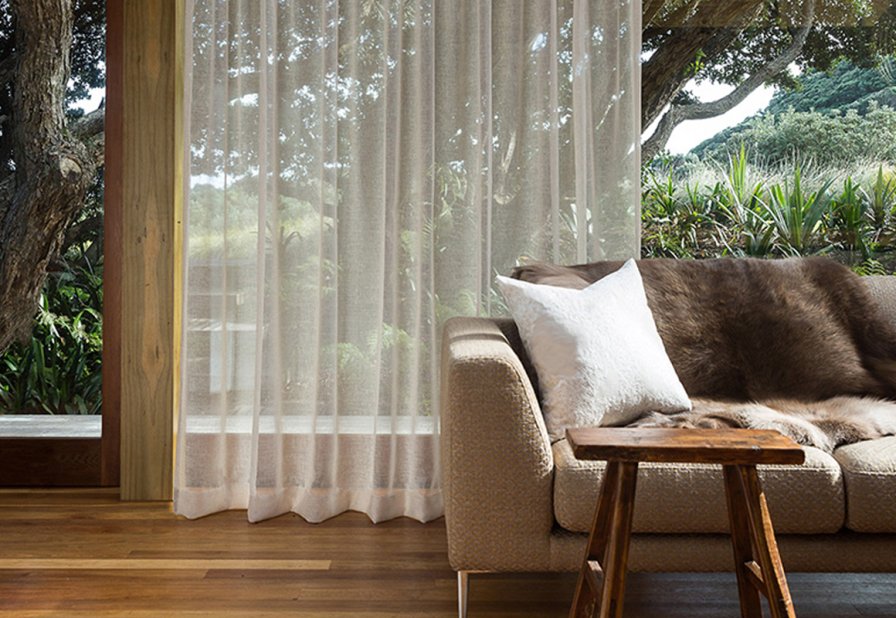
Voile is a crisp, open weave fabric that is best utilised for sheers. It gathers and drapes wonderfully, creating a light, airy ambience while maintaining a high level of privacy.
Tips for choosing fabrics
Hold the sample up to a window to see how it filters light. If the sample is large enough, pleat it at the top to see how it drapes.

Things that impact the style of your curtains
You may be surprised by the many factors that influence the overall look and functionality of your curtains. Here's what you need to consider and some advice on getting it right.
Colour and pattern
It's important to get fabric samples so you can hold them up next to the wall in order to see how they work in your space - does it work with your walls and the light in the room? If possible try them both at night and during the day in natural light.
Consider a darker colour for high traffic areas so it doesn't get too noticeably dirty. Rooms that get a lot of light probably need a lighter colour as a darker one will fade. Plain fabrics can be dressed up with decorative rods. And think about pattern size and pattern repeat; if you choose a large pattern, ensure it's for a large window for good effect.
Lining choices
Enhance the effectiveness of your curtains with lining. Lining can dramatically improve heating efficiency, block out light and may help to reduce noise.
Thermal lining
Thermal lining maximises heating efficiency. It may also help to reduce outside noise and unwanted light.
Blockout lining
Blockout lining reduces natural light and UV rays, providing an ideal solution for darkening a bedroom or media room. They also offer good thermal properties and may help to dampen sound.
Interlining
Interlining is the layer of fabric between the main fabric and lining. To increase the insulating properties of your curtains a light to medium weight interlining can be added. Interlining is ideal for increasing thermal performance and reducing noise.
How curtains should hang
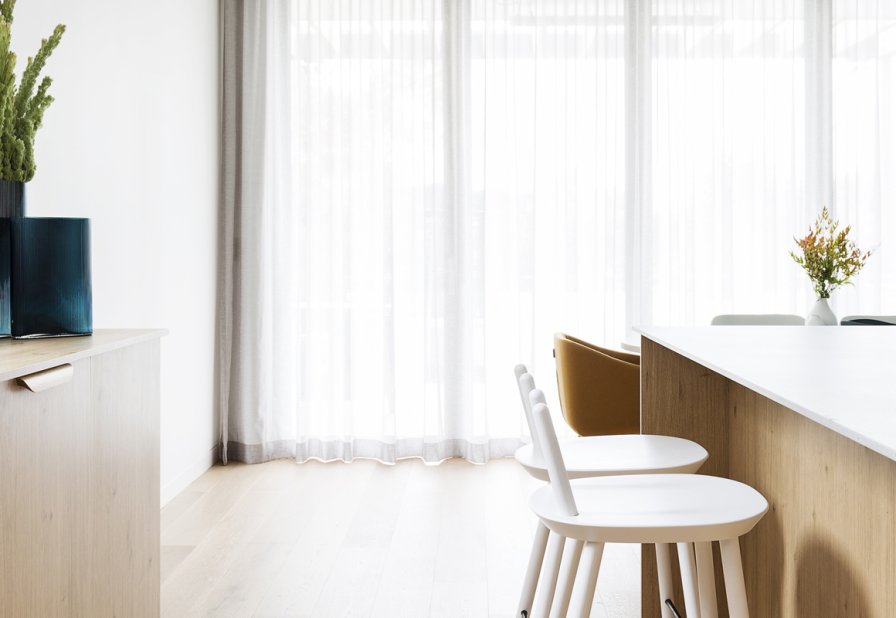
One of the key factors in how good your curtains can look is how you hang them. You can have them window-sill length (a fraction below) if there is something in the way or it is your preference, but floor length gives optimal performance. There are variations of this length to consider:
Floating
Offers a simple and sensible, casual look. By leaving no more than a centimetre of space between curtain and floor they're practical too as floating curtains don't gather dust from the floor. They are also easier to open and close.
Skimming
Requires expert measurement as just a centimetre too short or long and you have a completely different look. However, it is a clean and simple choice. Better on hard surface floors as opposed to carpet, which it can pull against when opening and closing.
Touching
A very common length with the curtains resting on the floor with a slight bend just above the hem. A few centimetres is enough.
Pooling
Sees a large amount of fabric pool or puddle on the floor. This style does gather dust and they need some reshaping every time you move them so they are high maintenance. The type of fabric you choose will influence whether you can attain this look or not; light, airy cotton or linen blends or synthetic linens are best. Pooling curtains add a lovely softness to rooms with lots of hard furniture. For a relaxed and casual look, let them pool where they fall. For a more formal look, deliberately pool them to the left or right or centre, depending where the wall panel is in relation. They are also better in bedrooms than main living areas as the excess fabric on the floor can be a tripping hazard.
The impact of heading styles
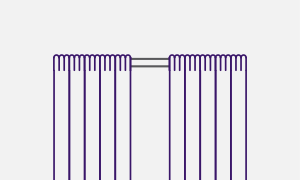
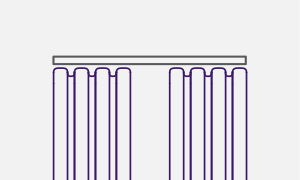
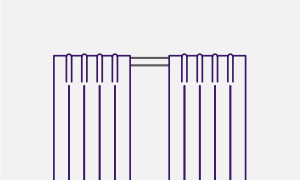
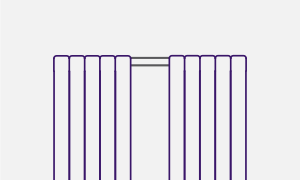
Heading styles refers to the way the curtain is sewn at the top. This affects the way it gathers and drapes. The width, depth and separation of the waves of a curtain can really change the overall look and feel of your room. Most of these styles can be hung from a curtain track using hooks or from a rod with rings and hooks.
Pencil pleat - Regularly used to create a relaxed, classic drape.
Single pleat - Classic and economical; ideal for small spaces and patterned fabrics.
Double pleat - Achieves a contemporary feel, whilst maintaining fabric efficiency.
Triple pleat - Very formal; uses more fabric than other styles but creates an opulent full curtain.
Reverse single pleat - Minimalistic and modern; uses less fabric so takes up less space and is more cost-effective.
Reverse double pleat - Minimalistic, clean line look; uses more fabric to create a fuller and more luxurious look.
Paris wave - Designed by Russells; combines inverted pleat with a rounded wave-like front for a fuller appearance.
S-fold - Sleek, streamlined option; great for indoor outdoor flow, it suits a range of styles.
Eyelets - Tailored with a European influence; threaded onto a rod to create a large wave-like effect.
Tab top - The simplest of curtain systems.
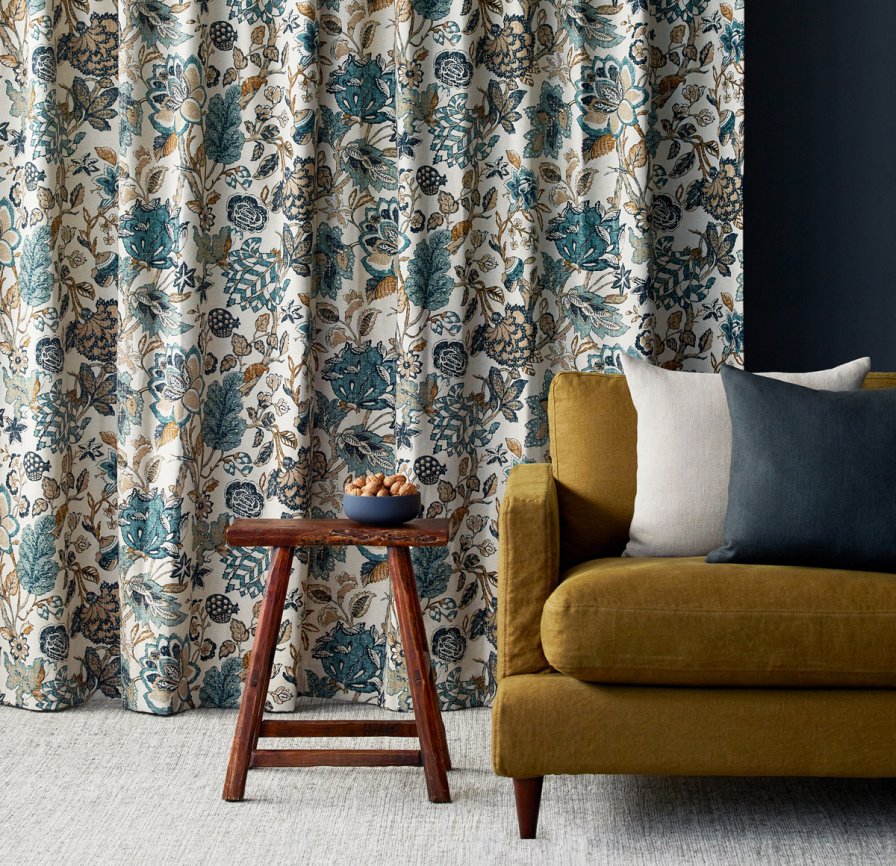
Choosing curtain colours for white walls
White walls can either give a room a fresh, clean look or be stark and uninviting. It's all about getting the other interior elements right, so here are some options to consider when choosing curtains for white walls.
Keep it simple
White on white proves that less is more, keeping a room light, clean and inviting. Don't go overboard though or you'll end up with a sterile space. If you're choosing white on white, think about including lots of layers or using textures to soften it up. The roughness and imperfection of natural or synthetic natural-look fibres such as cotton, linen and wool create a natural feel, while velvet is smooth. Woven tone on tone fabrics such as chevron and herringbone are also a great way to layer neutrals throughout the room.
Go dark and stormy
A popular interior look is dark curtains combined with a white interior. Dark curtains provide contrast and create a focal point for the room. The more neutral the room the more the dark curtains stand out.
Have fun with colour and pattern
Inject vibrancy into your white room with a pop of colour in the curtains. Block coloured fabric is a simple way of adding colour that doesn't need to be too dramatic. If you're feeling bold, a patterned curtain adds an unexpected element to an all white interior and can really pack a punch.
Play matchmaker
For a super slick, coordinated room with multiple points of interest, use the same fabric for your curtains as your upholstered furniture.
Tip
With hundreds of different undertones, choosing the right white can be tricky, so be sure to hold fabric samples against the white walls to compare.
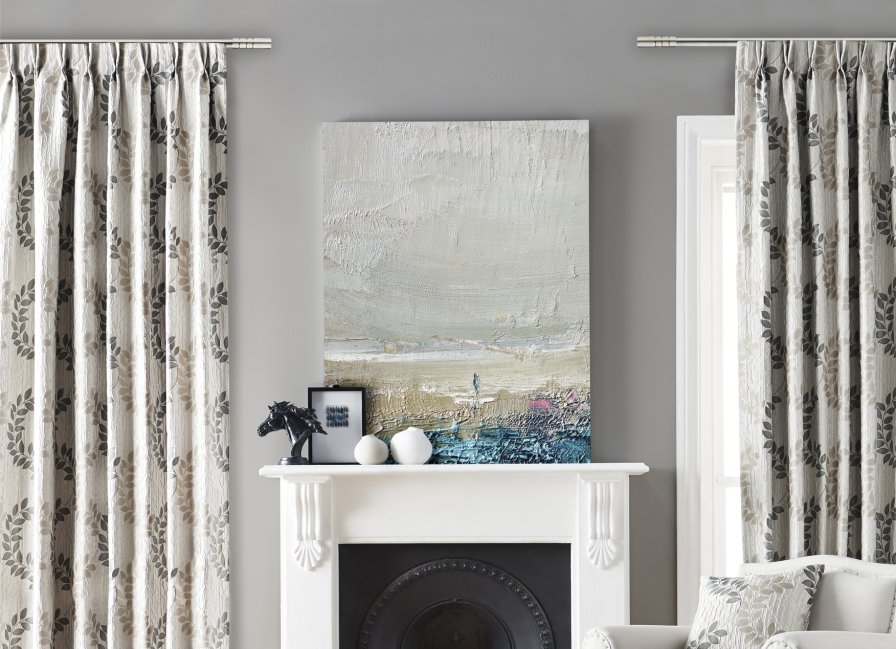
Choosing curtains for a grey room
Grey is a popular neutral tone for modern interiors. Here are some tips for curtains in a grey room.
Embrace the undertone
Identify the underlying hue of the grey and complement it with matching curtains. Greys usually fall into one of two main undertones: warm - which ranges from reds to purples, and cool - which has a bluey base.
Soft and subtle
Keep it neutral by combining white with soft grey, an interior scheme that is easy to update. This simple look complements natural materials, or you could add coloured accessories to easily change the look and feel on a limited budget.
Let it sparkle
Create a cool luxurious feeling with soft greys, metallic and vintage tones. A satin-look fabric in a similar shade creates an elegant look. Use layers and accessories to add warmth and interest to the room; such as blush and jewel coloured accent fabrics for cushions and throws, layering in vintage vases and accessories.

How to best use curtains around the home
Curtains are best in rooms and areas of the home where you want to create a feeling of warmth and cosiness - such as living rooms and bedrooms. A thick, lined fabric curtain is the window furnishing of choice for areas you would like to insulate in winter. For a summery feel across a patio door, choose a lightweight or sheer fabric. Wherever you'd like to express your style through colour and pattern in your home, curtains can help. However, they are less practical in rooms that get a lot of moisture, such as kitchens, bathrooms and laundries.
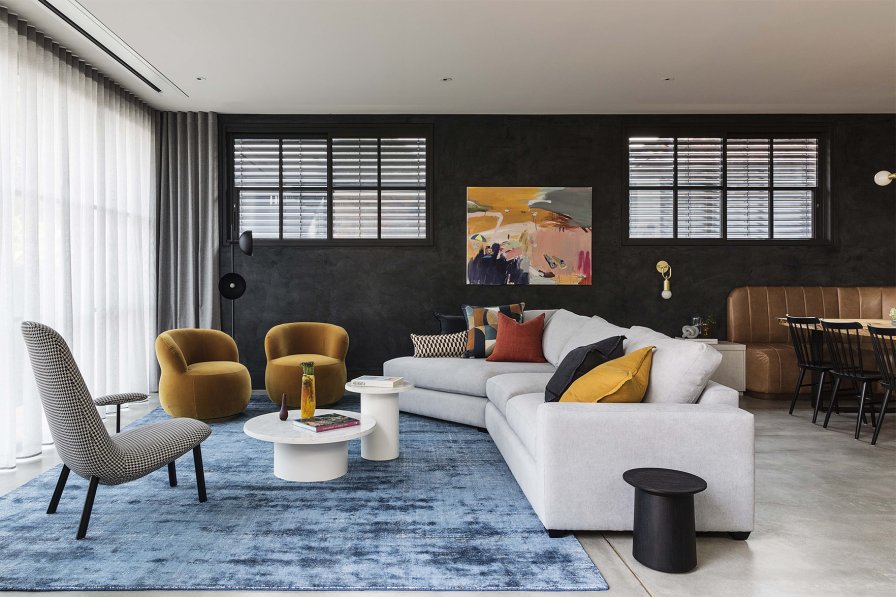
How to make curtains work in an open floor plan
Open floor plans are the norm now in new builds and large-scale renos. Because these spaces are multi-use and decor ranges from hard surfaces to soft fabrics, choosing curtains can be a tricky design challenge. Here's what you need to consider.
Lifestyle needs
Practicality will have to be a part of the decision so think about the use of the different parts of your open plan room. It could be that a blind is the better option for the kitchen area.
Layout
If the shape of the room is irregular, have different curtains in different areas because the room is already visually broken up. You can still do this if the room is one big rectangle but it pays to be strict in ensuring the curtains work well with nearby furnishings so you achieve a look of coordinated 'zones'. You can also use sheer curtains as room dividers; this works really well in studio apartments where the bedroom is part of the living area.
Find harmony
If you want your curtains to be the same throughout the whole room, you can, as long as the decor matches throughout also. Here are some suggestions to make sure they complement each other in one way or another:
Different shades of the same colour.
Some patterned fabric and some block colour curtains in an accent colour from that pattern.
Two different patterns in identical palettes.
The same pattern in a different but complementary colour.
Two different colours from opposite sides of the colour wheel.
Choosing curtains for bedrooms
When choosing the right curtains for bedrooms the aim is to create a good sleeping environment and all-round enjoyable place to be. Here's what you need to think about.
Reducing noise
Blocking out noise completely is not possible, but it can be reduced. It all comes down to absorbing the sound vibrations so the thicker and heavier the fabric, the better the result.
Blocking light
Opt for blockout lining to really darken a room. This lining also offers thermal insulation properties. Also, hanging the curtain high, wide and down to the floor improves light blockage and energy efficiency.
Retaining privacy
If you're concerned about privacy, consider double tracks with a sheer curtain underneath or even a sunscreen roller blind or translucent honeycomb.
Whose room is it?
This matters because a guest room is not used as much so the functionality of the curtains is flexible. But a child's bedroom on the other hand, must be quiet and darkened.
Fabric
For a bright, 'sunny' vibe, go for an airy, lightweight or sheer fabric such as cotton or linen blend. To be more formal, heavier fabrics like velvet or something elegant like a synthetic silk adds drama and a touch of romance.
Colour and pattern
People are usually more traditional when it comes to colours and patterns. This may be because colours and patterns that are too bold or bright can over-stimulate the brain when you're trying to relax and ready yourself for sleep. Or perhaps it is because this room is often shared so the need to strike a balance of preference is needed.
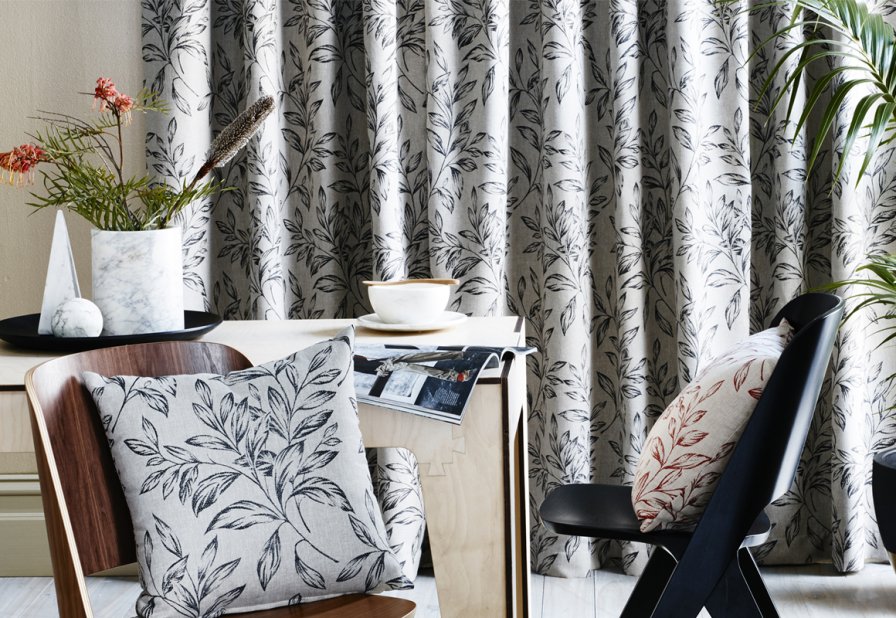
Choosing curtains for your living room
The living room or lounge is one of, if not the most lived in room of the house. Curtains in this area need to be practical, functional and decorative. You need to consider the space they're covering, where they'll hang in relation to the window, how they'll operate, what you need them for, and of course the myriad of colours and patterns they could have. Here are some top tips:
If you need to filter light during the day but block out the windows for privacy at night, consider how curtains and blinds could work together.
You'll likely want to add a lining to curtains for winter but make sure you also consider how they will perform in summer; this may mean picking a medium-weight fabric that suits all seasons.
Make sure they are easy to operate as they will be opened and closed regularly.
Consider how your curtains look in daylight and artificial light at night.
Four ways to optimise your space using curtains
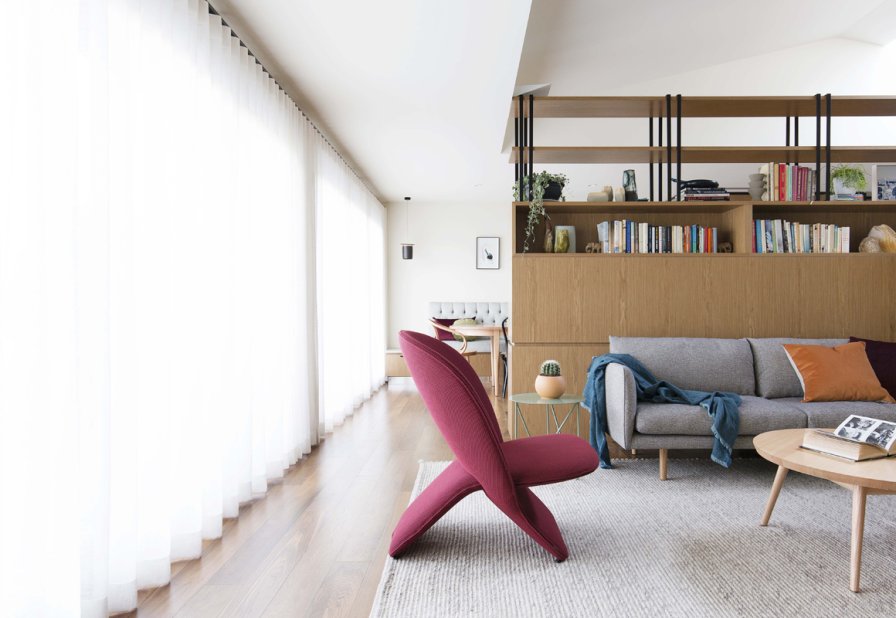
Hang them high on the wall, right up near the ceiling, and right down to the ground. This draws the eye upwards creating an illusion of height.
Stripes can fool the eye. For small rooms with low ceilings choose vertical stripes to add height, while horizontal stripes will visually shorten wide walls and/or high ceilings.
Choose a fabric in a slightly lighter shade of the wall colour to open up a small room; use darker coloured curtains to make a larger space cosier.
Long, solid curtain rods can create an impression of spaciousness. With them, you can pull the curtains clear of the window exposing its full width to make it appear larger and let in more light. This will also protect the fabric from sun-fade.
Budgeting for curtains
We understand that curtaining a whole house can be quite an investment. So, here are a few tips to help you fit them within your budget:
For a sense of likely costs before your consultation, see our guide to how much curtains and blinds cost.
Prioritise the most lived in rooms of your home first and make a plan for future investment for the remaining rooms.
Advise the consultant of your budget and ask to see fabrics and window furnishing solutions that fit within that.
For rooms that are only used occasionally, consider purely decorative curtains that do not close (these use far less fabric) or perhaps not going floor length (if window size allows).
Consider readymade curtains for standard size windows.
Mix it up and consider blinds for some rooms as these may be more affordable.
If you are building new or undergoing significant construction as part of a reno, consult with your curtain maker early as it could reveal options that won't be possible once the build is complete.
Caring for your curtains
Looked after well, quality curtains stay looking their best for years. Most need little more than regular light vacuuming with a brush attachment, an occasional professional clean, and a good lining to protect the fabric from sun damage.
For step-by-step advice, see our guides on how to clean your curtains and how to stop your curtains getting damp and mouldy in cooler, condensation-prone rooms.
The benefits of choosing Russells
When you choose Russells, you'll not only get beautiful custom or readymade curtains for your home, you'll also get a great experience, start to finish.
Our consultants can come right to you anywhere in New Zealand.
You'll get experienced advice from our consultants about which fabric types are best for certain rooms, eg. bright rooms, damp rooms etc.
Your curtains will be professionally measured for a perfect fit.
We partner with Gem Visa to offer interest free purchases. Visit our website for T&Cs.
We make the majority of our curtains right here in New Zealand and we only source from our trusted suppliers to ensure great quality.
Professional installation is included as part of our service.
It's all backed by the Russells Promise for the best price, quality and experience.
The Russells Promise
We're committed to providing the best value curtain and blind experience in New Zealand. And we stand by this with the Russells Promise for the best quality, price and experience.
Our price promise
If you find a better price from a competitor on the same or similar products, including accessories and installation, within 7 days of purchase, we'll match it. We stand by our pricing and want you to be confident that you're receiving the best possible value when you buy from Russells.
Our quality promise
Our product range is either manufactured right here in New Zealand or sourced from our long-standing, trusted suppliers - plus every product is backed by extensive warranties. So you can buy with confidence knowing you're getting a high-quality result for your home.
Our experience promise
We go the extra mile to provide a true end to end experience that is the best in the country. It all starts with our expert style consultants that will come to you anywhere in New Zealand and ends with our professional installation service. All you have to do is sit back and enjoy your new curtains or blinds.
Ready to find the right curtains for your home? Request a free in-home consultation and one of our local consultants will bring the samples to you, measure up, and give you a no-obligation quote.
Found this helpful? Share it with others…
Guides

Choosing the right blinds for your home
Not sure which blinds will suit your home? From blind types and key features to room-by-room advice, this guide covers everything you need to know.


Frequently asked questions
What's the difference between blockout and thermal curtains?
Blockout curtains are lined to eliminate light, making them ideal for bedrooms and media rooms, while thermal curtains are designed to reduce heat loss and keep rooms warmer in winter. Some curtains do both — your local consultant will recommend the right option for each room.
How much do custom curtains cost in New Zealand?
It depends on the fabric, curtain type and number of windows. Your consultant provides a full, no-obligation quote during your free in-home consultation, and you can use our online pricing guide for a rough estimate beforehand.
Do I need to measure my own windows?
No. Your Russells consultant takes every measurement during the in-home consultation, and each curtain is made to your exact windows, backed by our Guaranteed Perfect Fit.
What curtains are best for a New Zealand bedroom?
For most bedrooms a blockout or thermal-lined curtain works best — eliminating light for better sleep and helping with warmth through cooler months. Your consultant will assess your room and recommend the right fabric and lining.
Are Russells curtains made in New Zealand?
Yes. The majority of our curtains are made right here in New Zealand using trusted fabric suppliers, so you can be confident in the quality.
Expert advice at home
We come to you, anywhere in New Zealand. Because your place is the best place to choose curtains and blinds.