




How to care for your curtains, blinds and shutters

- Kerrin Auld
- Consultant
In short
Looked after well, your curtains, blinds and shutters will keep looking great and working smoothly for years. The golden rules for fabric: dust or vacuum on low suction, spot-clean with a damp cloth, and never machine wash or dry-clean (it can shrink). New Zealand's harsh UV is the biggest threat to fabric, so use quality linings and sun filters and rotate curtains to share the wear. Hard blinds and shutters each have their own cleaning method, and motorised blinds need recharging about every six months. Here is how to care for every type.
Your window furnishings are an investment, and a little regular care keeps them looking and working their best. This guide covers how to clean and care for every type we make, from curtains and blinds to shutters and motorised systems.
Keep your home looking beautiful for longer
Straight from the Russells team, our easy-to-use Care Guide is packed with the right advice for maintaining everything from custom drapery to venetians, rollers, and shutters. Download your free copy to keep your home looking its best.
Table of contents
How do I care for my curtains?
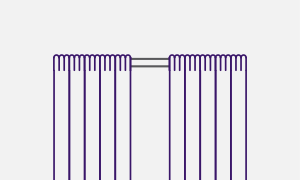
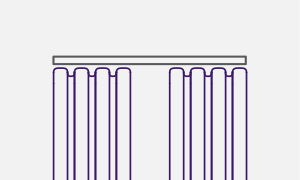
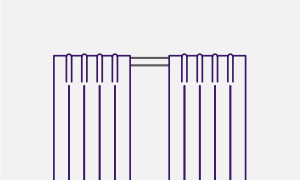
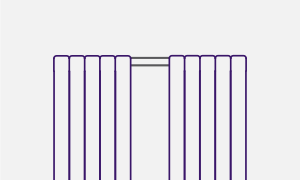
Custom-made curtains arrive a little stiff, fresh from our Nelson workroom. They can take up to six weeks to hang properly as the fabric settles and any packing creases drop out. Train the pleats back into place whenever they pop out, and make sure the curtain is shaped nicely before tucking it into tiebacks or holdbacks.
Cleaning curtains
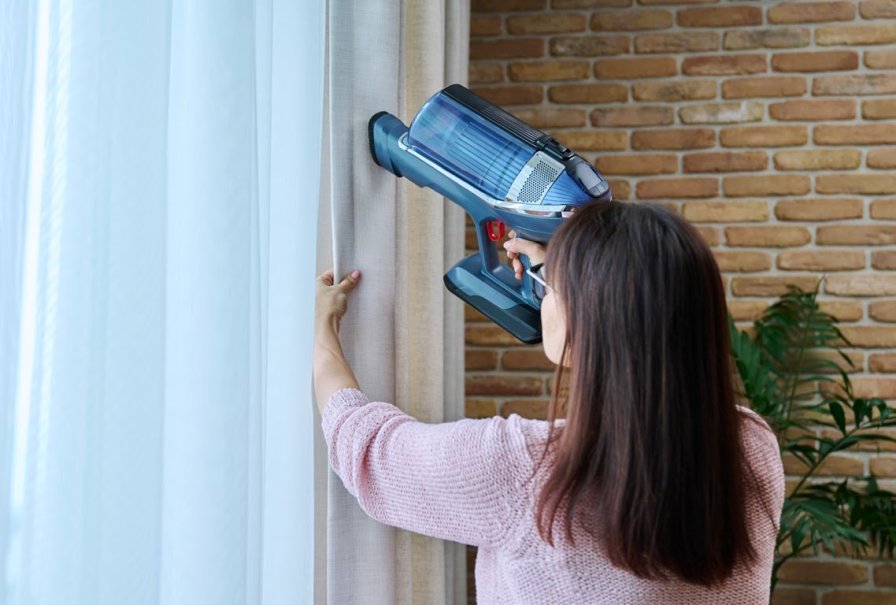
Use a low suction setting on your vacuum cleaner.
Spot-clean minor stains with a damp sponge or microfibre cloth.
Do not machine wash or dry-clean.
For more, see our guides on how to clean your curtains and how to stop curtains getting damp and mouldy.

How do I care for roman and roller blinds?
Roman blinds
In the first couple of weeks you may need to adjust the fold by hand so the blind sits nicely. After that, the main thing is to keep the blind from catching in the cord or chain when you raise or lower it: pull the cord or chain parallel to the window, and check the bottom does not snag on the cleat screwed to your architrave. See our guide to cleaning roman blinds.
Use a low suction setting on your vacuum cleaner.
Spot-clean minor stains with a damp sponge or microfibre cloth.
Do not machine wash or dry-clean.
Roller blinds
To stop the fabric fraying at the sides, pull the chain straight down, parallel to the window, so it does not rub against the fabric. Raising the roller blind before you open or close the window also prevents unnecessary creasing.
Remove dust with a brush or your vacuum.
Hold the bottom rail for stability.
Spot-clean with a damp sponge or cloth.
How do I protect my curtains and blinds from the sun?
New Zealand has some of the strongest sunlight in the world, and our extreme UV takes a toll on fabrics. A few precautions go a long way:
All fabrics fade and deteriorate under direct or reflected UV, whatever dye is used.
Use a quality sun filter wherever fabric sits in direct or reflected sun, even behind double-glazed or tinted glass.
Always choose a superior-quality lining.
Leading edges (the sides facing the window) are the most vulnerable, so rotate curtains periodically, swapping the left-hand curtain to the right-hand position.
Ensure enough stack back so curtains sit clear of the glass when open. Closing curtains to keep a room cool is actually destructive: heat builds between the glass and fabric and can cause tearing and disintegration.
Avoid washing or dry-cleaning, as fabrics can shrink 3% or more.
Fabric also moves naturally with the weather. Up to 3% movement is normal for most fabrics, and 5 to 6% for acrylic, polyester, cotton, linen and acetate.
Did you know?
A low-suction setting on your vacuum is the safest way to lift dust from curtains, roman blinds and roller blinds alike.
How do I clean venetian, honeycomb and vertical blinds?
Venetian blinds
Venetians are not designed to be raised and lowered often, as that can wear them prematurely. When you do raise them, set the slats to open, support the bottom rail with one hand, and pull the cord gently to stabilise; lower them just as slowly, supporting the bottom rail as you release the cord lock. For wooden styles, see our guide to cleaning wood venetian blinds.
Wipe wood-look slats with equal parts white vinegar and water.
Dust real wooden slats with a cloth and keep them as dry as possible.
Gently wipe vinyl or aluminium slats with soapy water.
Honeycomb blinds
Standard honeycomb blinds work like venetians on a cord, so wrap the cord around the cleat in an O shape, never a figure 8, which twists and damages the internal cords. Clutch-system honeycombs raise like roller blinds, and cordless ones lift by hand from the bottom rail. For top-down, bottom-up blinds, move the bottom into position before the top, and only operate one blind at a time on day-and-night styles.
Blow dust from inside the cells with a hairdryer on cool.
Dab minor stains with a damp sponge or cloth.
Always dust and clean along the horizontal lines of the cells.
Vertical blinds
Rotate the panels fully open (90 degrees to the window) before you draw your vertical blinds, keep them clear of open windows on windy days, and open the blinds before adjusting doors or windows.
Dust the surface with a soft cloth.
Dab stains with a damp cloth.
Lubricate the tracks and mechanism once a year with silicone spray.
How do I care for Elegance blinds?
Elegance blinds, our clever curtains, work much like vertical blinds, but you rotate the panels with a traverse wand. Operate one mechanism at a time to keep them running smoothly, and in strong wind, draw and tie them so the panels are not damaged.
Panels can be lightly hand-washed and dried; use a cool iron or steamer to remove creases.
Clean the tracks with a feather duster or a slightly damp microfibre cloth.
Lubricate the gears with silicone spray at least twice a year, sliding the panels to one side or covering them to avoid overspray.
If spraying insecticides or chemicals nearby, set the blinds to the open position so nothing contacts them.
Never use harsh cloths or abrasives, or chlorine- or ammonia-based cleaners.

How do I care for my shutters?
Shutters are hard-wearing, but a regular dust and the occasional gentle clean keep them looking sharp and prevent long-term damage.
Dust the blades with a soft cloth, feather duster, microfibre wand or a soft-bristle vacuum attachment, using a small soft brush for the cracks.
If needed, spot-clean internal shutters with a soft damp cloth and pH-neutral soap in lukewarm water, then wipe dry.
Never let water stand on shutters, which causes warping, cracks and finish damage, and never use silicone-based or abrasive cleaners.
Vacuum bi-fold and sliding tracks regularly to keep them free of grit, and apply an anti-corrosion coating to metal components such as hinges, pivots and wheels.
Minimising fading
All finishes fade over time. Rotate the blades periodically for even UV exposure, and consider a transparent UV window film for extra protection.
Longevity and repairs
Keep panels properly fitted to their catches or supports at all times.
Always tilt the blades with the tilt rod, never by pulling the centre rod, to avoid pulling staples loose.
Close the blades before opening bi-fold or sliding panels, unless they are designed to slide with the blades open.
Slight hairline paint fractures at the stile and rail joints are normal. Slide a fingernail or blunt knife along the joint to reseal it, and for larger fractures add a very small amount of white or coloured water-based gap filler, wiping away any excess with a slightly moist cloth.
See our full range of shutters for more on styles and materials.
How do I care for motorised curtains and blinds?
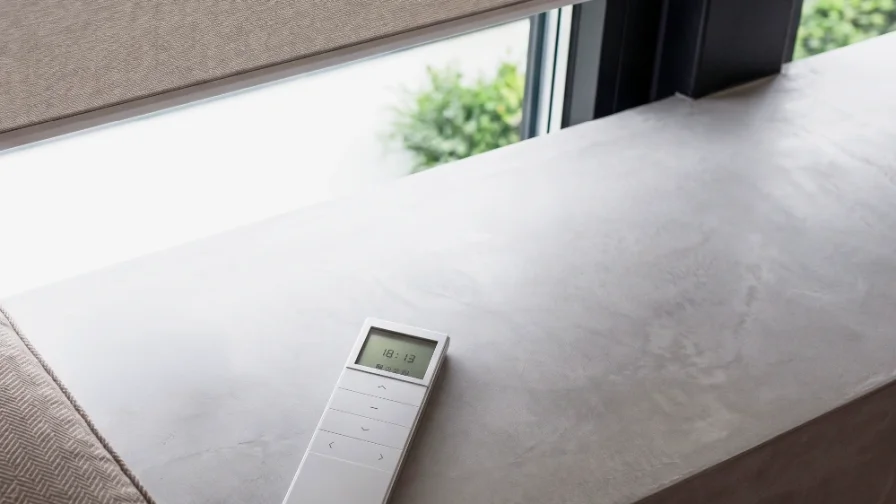
Motorised systems are wonderfully convenient, and a little battery discipline keeps them reliable. For all battery-powered blinds, recharge the built-in lithium battery about every six months (sooner if it slows or stops responding), never let it fully discharge, and if you are storing a blind keep the battery at 40 to 60 percent charge. Keep motors and remotes away from moisture and knocks, which can shorten their life and void the warranty, and replace or recharge remote batteries as needed.
Motorised roman and bottom-up honeycomb blinds: a full charge takes around three hours.
Motorised roller blinds: a full charge takes up to seven hours; turn the motor off and store at 40 to 60 percent if you are away for a long period.
Hardwired motorised curtain tracks: these run on mains power, so keep the connection stable and operate them with the motor rather than by hand (you can use the gentle tug feature to start an automatic close).
Battery motorised curtain tracks: fully charge the battery pack before first use, then recharge every six months.
Always set the direction and limits correctly during setup, and if a blind or track stops behaving, check the power or battery and the settings before resetting. Explore our motorised curtains and motorised blinds ranges to see how they work.
Looked after well, quality curtains, blinds and shutters reward you for many years. If you would like tailored advice for your own windows, or you are choosing new window furnishings, request a free in-home consultation and one of our consultants will help at your place.
Found this helpful? Share it with others…
Guides
View all
Choosing the right curtains for your home
Not sure which curtains will suit your home? Find out everything you need to know with this free guide.


Frequently asked questions
Can I wash or dry-clean my curtains?
We do not recommend it. Both washing and dry-cleaning can shrink fabric by 3% or more. Instead, vacuum on low suction and spot-clean minor stains with a damp sponge or microfibre cloth.
What is the safest way to clean blinds?
Start by removing dust (a low-suction vacuum, soft brush, or a cool hairdryer for honeycomb cells), then spot-clean. Match the method to the material: equal parts white vinegar and water for wood-look venetians, soapy water for vinyl or aluminium, and a dry cloth for real wooden slats.
How often do motorised blinds need charging?
Recharge the built-in lithium battery about every six months, or sooner if the blind slows or stops responding. Avoid letting it fully discharge, and store it at 40 to 60 percent charge. A full charge takes around three hours for roman and honeycomb blinds and up to seven hours for rollers.
How do I stop the sun damaging my curtains and blinds?
New Zealand's UV is harsh, so use a quality sun filter and a superior lining, even behind double glazing. Rotate curtains so the leading edges wear evenly, and leave enough stack back that the fabric sits clear of the glass, as heat trapped between glass and fabric is very destructive.
Why are my new curtains stiff or not hanging evenly?
That is normal at first. Custom curtains come from our workroom a little stiff and can take up to six weeks to settle and drop their creases. Train the pleats back into shape when they pop out, and adjust roman blind folds by hand in the first couple of weeks.
Expert advice at home
We come to you, anywhere in New Zealand. Because your place is the best place to choose curtains and blinds.