




Choosing blinds for your kitchen

- Kerrin Auld
- Consultant
In short
The kitchen is a hard-working, high-moisture room, so kitchen blinds need a material that wipes clean and copes with heat and steam: PVC near the sink, faux wood for a timber look without warping, aluminium Venetians for heat (avoid real wood). Get the light right with a sunscreen roller blind to cut glare, match neutral hues that will not date, and for open-plan spaces choose a consistent, unobtrusive option like roller blinds, shutters or honeycombs.
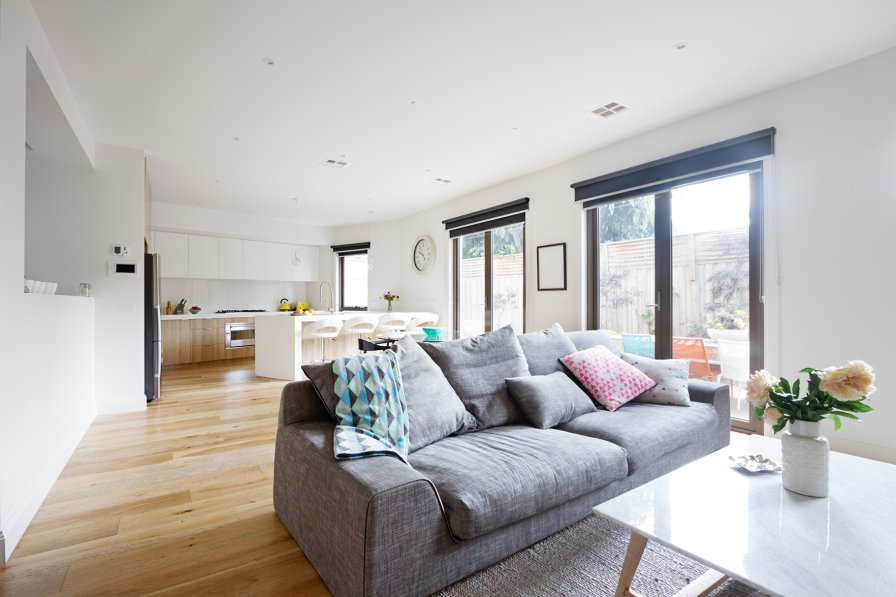
The kitchen is the hub of the home, a high-traffic room where we cook, eat, socialise and connect. Because it needs to be so functional, choose blinds that complement and support the room rather than compete with it. Here is what to weigh up.
Table of contents
Environmental conditions and materials
Choose a material that is easy to clean, stands up to heat and is flame retardant. Even with a rangehood, blinds near the oven or stovetop will pick up some smoke particles, grease and cooking odours, and the steam of a kitchen creates humidity that can shorten a blind's life. Blinds near the sink also cop regular splashes of water and food. For these high-moisture spots PVC blinds are ideal. Real wood is best avoided as it warps, but faux wood gives the same look without the damage. A fabric roman blind can work only if the fabric is easily machine washable.
How much light?
Think about where your windows sit and how much direct sun you want. Good lighting is essential when cooking, but too much direct sun can spoil food. A sunscreen roller blind is ideal here, cutting glare while keeping a degree of outside visibility. Venetian blinds, shutters or honeycomb blinds are good alternatives.
Aesthetic
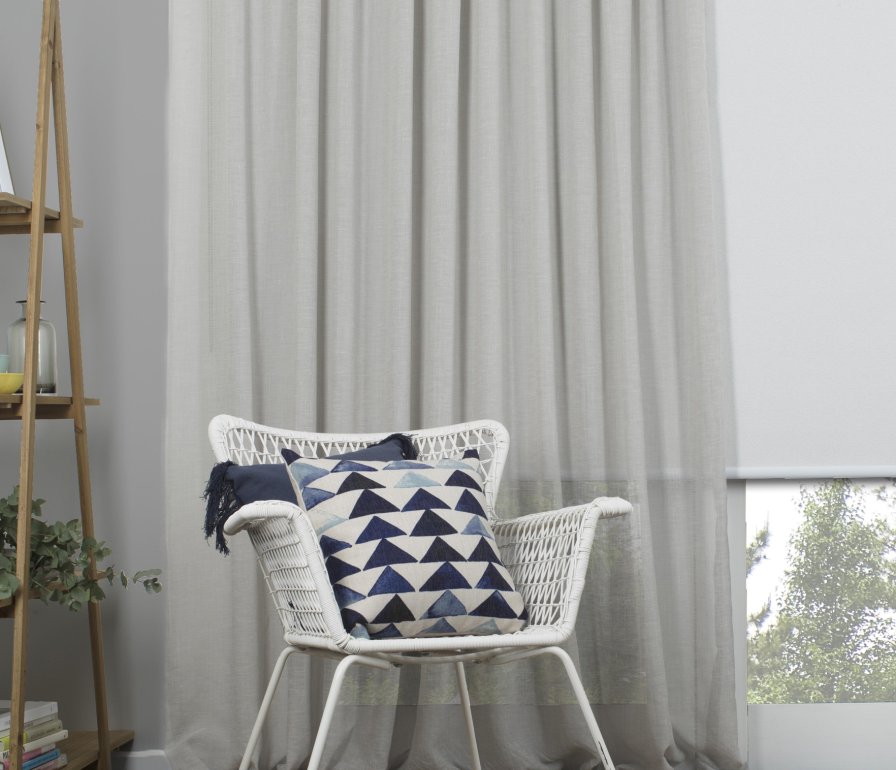
Kitchens are often full of sharp lines, glossy cabinets, hard stone and modern appliances, so blinds are a chance to soften the room. Neutral hues work well and almost never date.
Space and layout
Many kitchens are now part of larger open-plan living areas, so you may want a consistent solution across the space. Consider shutters, roller blinds or honeycomb blinds, especially for windows that run down to the floor. Where space is at a premium or you want something unobtrusive, roller blinds mounted inside the window frame are ideal; if depth does not allow it, mounting outside the frame achieves almost the same result. A well-finished kitchen also adds real value to a home, so it is worth getting right.
Curtains are usually best avoided in the kitchen (here is why). To find the right blind for your kitchen and the rest of your home, request a free in-home consultation and a consultant will show you the options at your place.
Found this helpful? Share it with others…


Frequently asked questions
What is the best material for kitchen blinds?
Something easy to clean and tough enough for heat and humidity. PVC is ideal for high-moisture spots near the sink; faux wood gives a timber look without warping; aluminium Venetians handle heat well. Real wood is best avoided as steam can warp it. A roman blind only suits a kitchen if the fabric is easily machine washable.
Which blinds are best for a kitchen window over the sink?
Choose a moisture-resistant, wipeable option, as windows by the sink get regular splashes of water and food. PVC blinds, faux wood Venetians or a sunscreen roller blind all work well and are quick to clean.
How do I control sunlight in the kitchen?
Good light is essential for cooking, but too much direct sun can spoil food. A sunscreen roller blind cuts glare while keeping a degree of outside visibility; Venetians, shutters or honeycomb blinds also let you fine-tune the light.
What blinds suit an open-plan kitchen?
For a consistent look across an open-plan space, shutters, roller blinds or honeycomb blinds all work, including on floor-length windows. Roller blinds mounted inside the frame are the most unobtrusive where space is tight.
Expert advice at home
We come to you, anywhere in New Zealand. Because your place is the best place to choose curtains and blinds.