





Choosing curtains for your living room

- Gabrielle King
- Consultant
In short
Living room curtains need to be practical, functional and decorative all at once. Size matters: extra-long curtains make a small room feel bigger, full curtains make a large room cosier, and pattern scale should suit the window. Decide what you need them to do (blockout lining for TV viewing, sheers or a sunscreen blind for daytime privacy), aim for medium-weight thermally lined fabric for year-round insulation, pick an easy-operating heading, and check how they look both day and night.
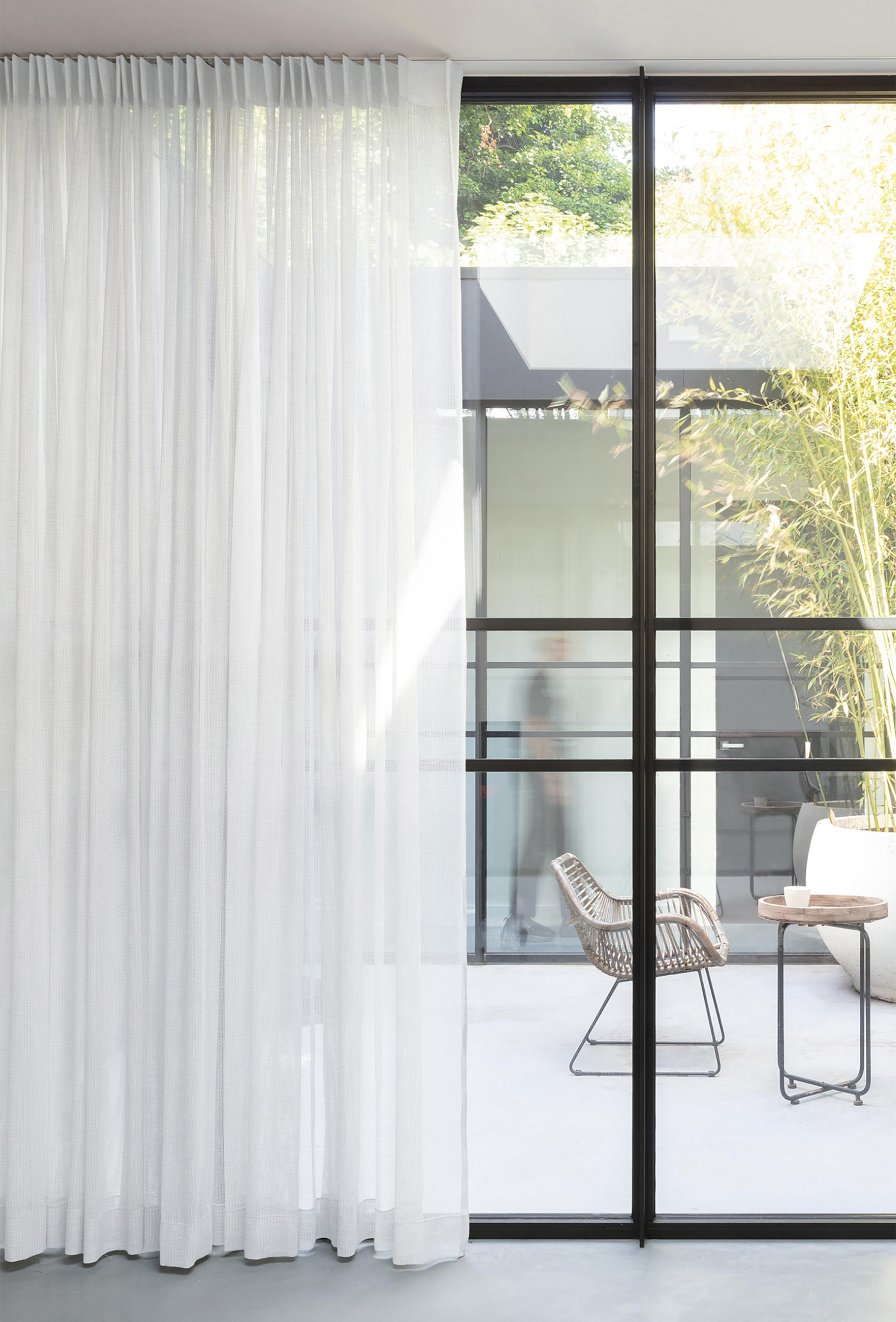
The living room or lounge is one of, if not the, most lived-in room of the house, so the curtains here need to be practical, functional and decorative. Think about the space they cover, how they hang and operate, what you need them for, and the colours and patterns that suit. Here is how to weigh it all up. Browse our range of living room curtains for ideas and options.
Table of contents
Window and room size
The bigger the window, the more your curtains cost, simply because they need more fabric. On a budget, that might mean a shorter length or a less expensive fabric, and our collection has something for every budget. Room size matters too: make a small room feel bigger with simple, extra-long curtains hung from near ceiling height to the floor, or make a large room cosier with thick, full curtains in bold colours, patterns or stripes. Match the pattern to the window, as too large a pattern on a small window looks silly, while too intricate a pattern can be lost on a large one.
Purpose and performance
What do you want your curtains to do, and is look or function more important? The living room is often where you watch TV, so blockout lining lets you darken the room for daytime or early-evening viewing in summer. For daytime privacy while still letting light in, pair your curtains with a sunscreen roller blind or a double track with sheer curtains underneath.

Insulation
In winter, thicker fabrics help reduce heat loss through windows, but in summer a thick fabric can trap heat in the room. If budget allows, you could have both summer and winter weight curtains; if not, opt for a medium-weight fabric and make sure it is thermally lined.
Opening and closing
Living room curtains are opened and closed regularly, so you want them easy to operate. Some heading styles move more freely than others; tab-top curtains, for example, do not glide as fluidly as those on tracks. Think too about how they look when open, left hanging loose for a streamlined, informal look, or fixed back with ties or hooks for a soft, decorative one.
Day and night look
Finally, consider how your curtains look in daylight and in artificial light at night, as colours can read quite differently. This is something a Russells consultant will help you with during your free in-home consultation. Request a free in-home consultation to see fabrics in your own living room, in your own light.
Found this helpful? Share it with others…
Guides

Choosing the right curtains for your home
Not sure which curtains will suit your home? Find out everything you need to know with this free guide.


Frequently asked questions
What should I consider when choosing living room curtains?
The living room is one of the most-used rooms, so curtains here need to be practical, functional and decorative. Weigh up window and room size, what you need them to do (light control, privacy, insulation), how easily they open and close, and how they look in both daylight and artificial light.
Can curtains make a living room look bigger?
Yes. Simple, extra-long curtains hung from near ceiling height down to the floor make a small room feel taller and bigger, while thick, full curtains in bold colours or patterns make a large room feel cosier. Match the pattern scale to the window so it is neither lost nor overwhelming.
How do I darken a living room for watching TV?
Add blockout lining so you can darken the room for daytime or early-evening viewing in summer. For daytime privacy with light still coming in, pair your curtains with a sunscreen roller blind or a double track with sheers underneath.
Are thicker curtains better for insulation?
In winter, thicker fabrics help reduce heat loss through windows, but in summer a thick fabric can trap heat. If budget allows you could have both summer and winter weight curtains; otherwise choose a medium-weight fabric and make sure it is thermally lined.
Expert advice at home
We come to you, anywhere in New Zealand. Because your place is the best place to choose curtains and blinds.