





Choosing the best curtains for bedrooms

- Natasha Dale
- Consultant
In short
The aim with bedroom curtains is a good sleeping environment. For darkness, choose blockout lining (which also insulates) and hang curtains high, wide and to the floor. To dull noise, build up mass with heavier fabric or layers (lining plus a blind). Keep privacy with a sheer on a double track, a sunscreen roller blind or a translucent honeycomb. Factor in who uses the room (a child's room needs more dark and quiet than a guest room), then pick a fabric: light cotton or linen for airy, velvet or silk for drama.
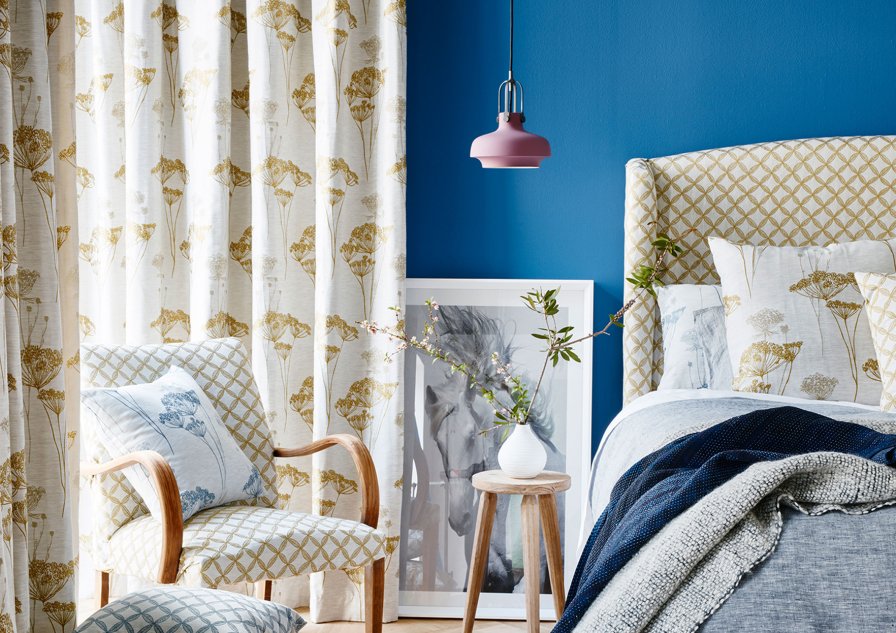
When choosing the right curtains for a bedroom, the aim is to create a good sleeping environment and an all-round enjoyable place to be. Here is what to think about.
Table of contents
Reducing noise
Short of buying expensive, specially engineered curtains, blocking noise completely is not possible, but it can be reduced. It comes down to absorbing sound vibrations, so the thicker and heavier the fabric, the better the result. If you do not want a weighty fabric, think layers instead: have the curtains lined, and perhaps add a blind underneath.
Blocking light
Opt for blockout lining to really darken a room; it also offers thermal insulation. A medium-to-heavy fabric is best for blocking light, but if that is not the look you want, do not treat it as a must-have. Hanging the curtain high, wide and down to the floor also improves light blockage and energy efficiency.
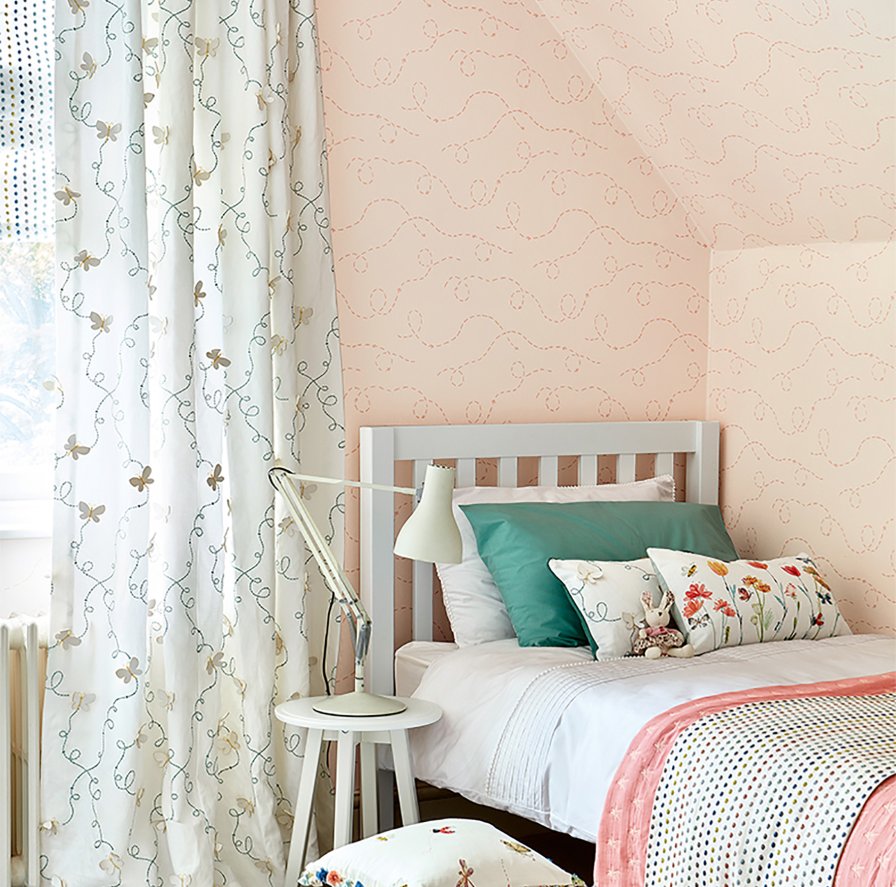
Retaining privacy
If privacy is a concern but you still want daylight, consider a double track with a sheer curtain underneath, or pair your curtains with a sunscreen roller blind or a translucent honeycomb.
Whose room is it?
Who uses the room matters. In a guest room, minimal light and noise are a bonus rather than essential, as it is only used occasionally and the curtains may stay open most of the time. In a child's bedroom, blocking light and reducing noise become far more important, often the difference between an easy bedtime and a struggle.
Style and fabric
For a bright, sunny vibe, go for an airy, lightweight fabric such as cotton or linen. For something more formal, heavier fabrics like velvet, or elegant silk, add drama and a touch of romance. Because the bedroom is a low-traffic room, you can get away with these more dramatic fabrics that would not work as well in a living room. To see how each looks in your own room and light, request a free in-home consultation.
Found this helpful? Share it with others…
Guides

Choosing the right curtains for your home
Not sure which curtains will suit your home? Find out everything you need to know with this free guide.


Frequently asked questions
What curtains are best for blocking light in a bedroom?
Blockout lining is the key, and it adds thermal insulation too. A medium-to-heavy fabric blocks light best, and hanging the curtains high, wide and down to the floor improves both light blockage and energy efficiency. The exact fabric weight is a preference, not a must-have.
Can bedroom curtains reduce noise?
They can reduce it, though completely blocking noise is not realistic without expensive specialist curtains. Sound is absorbed by mass, so thicker, heavier fabric helps; if you do not want a heavy fabric, build up layers instead, by lining the curtains and adding a blind underneath.
How do I keep light out but still have privacy and daylight?
Use a double track with a sheer curtain underneath your main curtains, or pair them with a sunscreen roller blind or a translucent honeycomb. That way you can let daylight in while keeping privacy, and close the blockouts when you want full darkness.
What fabric is best for bedroom curtains?
For a bright, airy feel choose a lightweight fabric like cotton or linen; for drama and a touch of romance, heavier velvet or elegant silk works beautifully. As the bedroom is a low-traffic room, you can get away with these more dramatic fabrics that would not suit a busy living room.
Expert advice at home
We come to you, anywhere in New Zealand. Because your place is the best place to choose curtains and blinds.