




What's best for New Zealand homes: curtains, blinds, or drapes?

- Wendy Roberts
- Consultant
In short
The best window treatment for your home depends on your region, your home’s orientation and whether you most want insulation, light control, style or easy upkeep. Blinds are the most versatile all-rounder, curtains add softness and privacy, and drapes give the strongest insulation and light blocking. For New Zealand’s changeable climate, layering sheers, blinds and drapes often gives the best year-round comfort.
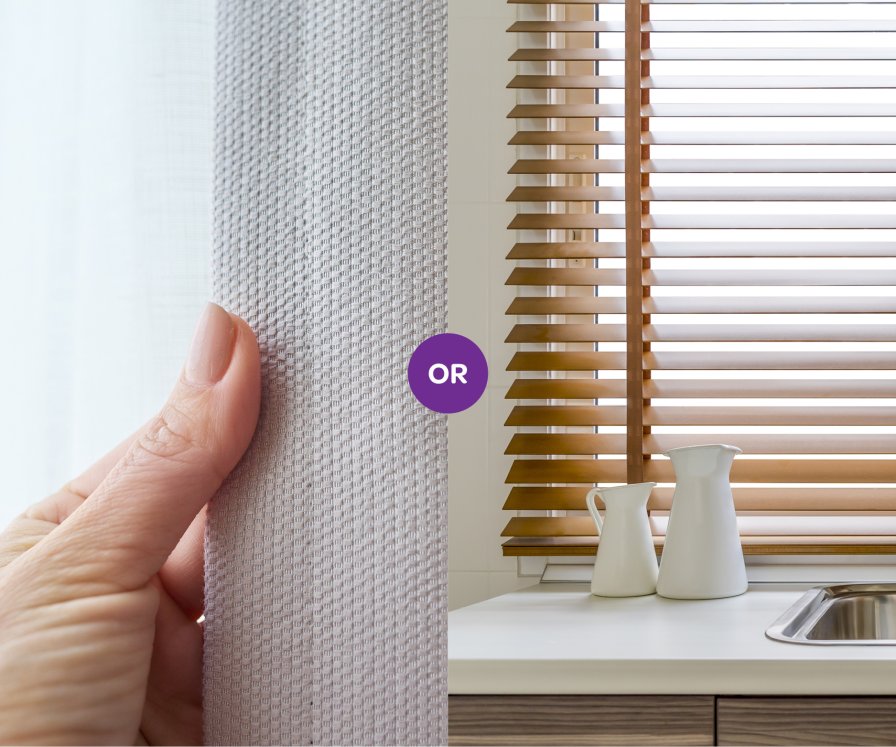
What’s best for your window treatment in NZ?
The right choice depends on different factors: your region, your home orientation, and how much you prioritise insulation, light control, style, and maintenance.
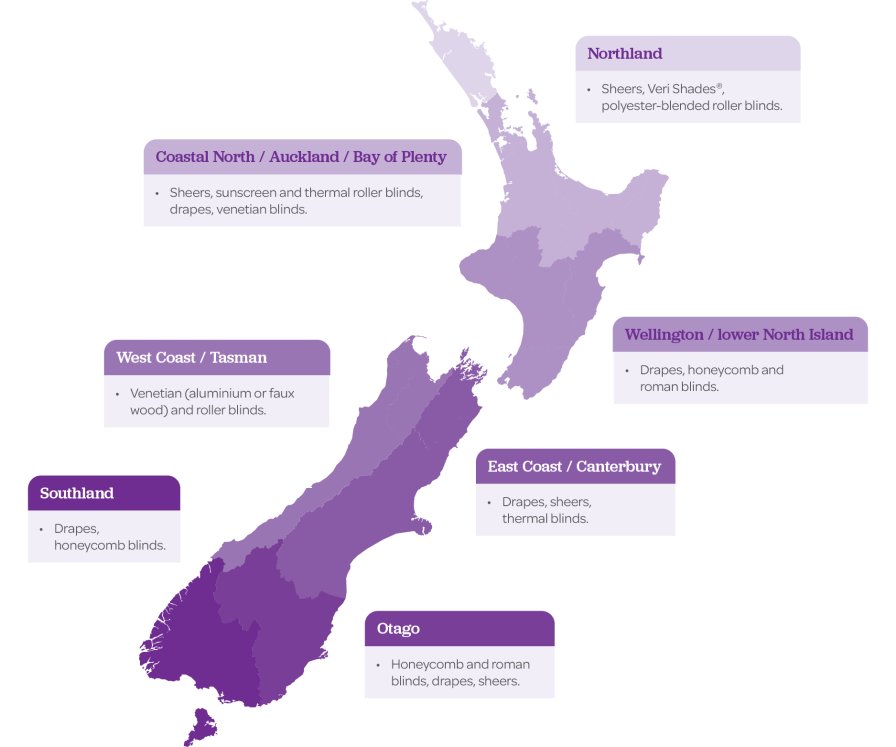
Blinds are the most versatile option. Honeycomb blinds offer top insulation for cold regions; roller blinds suit most NZ climates; and venetians/verticals blinds give flexible light control.
Curtains add softness and work well for privacy and filtering light. Sheers suit bright coastal regions, while lined or triple weave curtains help manage sunrays and warmth.
Drapes offer the best insulation and light blocking. They are ideal for southern regions and sun-exposed bedrooms.
For NZ’s varied climate, layering sheers, blinds, and drapes often gives the best year-round comfort and aesthetic.
Table of contents
Which blinds suit your home and climate?
Blinds provide a wide range of choices, from fabric to wooden options. Roman blinds are available in a wide range of fabric options, so they can be customised to match your interior design. They combine the softness of curtains with the tidiness of blinds. Roller blinds, on the other hand, are minimalist with fewer design options. However, this simplicity works beautifully in modern Kiwi homes, especially new builds with neat design. Venetian blinds, with their horizontal slats, add texture and leading lines to your interior. The wooden versions can create a warm, natural look. Our consultants know that aluminium and faux-wood versions suit contemporary houses better. Similarly, vertical blinds add texture to a room, but their leading lines create the illusion of more space and higher ceilings, much like floor-length curtains. Their minimalist style makes them the ideal blinds for living rooms with large windows.
Blinds are very versatile when it comes to balancing warmth, privacy, and light control. In colder regions like Otago, honeycomb blinds are the top performer. Their small cells trap air and provide great insulation, keeping the heat inside during winter and outside in summertime. Roman blinds with thermal lining are also a good choice for colder climates. Roller blinds are popular for their flexibility. Sunscreen roller blinds let the natural light in while protecting against UV (a must-have in the harsh New Zealand sun), roller blinds with a thermal coating boost insulation, and blockout roller blinds darken spaces like bedrooms for a year-round restful sleep. Therefore, this type of blind is suitable for any part of New Zealand, depending on the option you’re choosing. Venetians and verticals are great for adding privacy discreetly. That’s why our consultants often recommend them for street-facing windows. They also provide light control with ease for sunnier areas such as Hawke’s Bay or Tasman.
Most blinds are easy to clean and maintain. The main exception is roman blinds, which are fabric-based. They can fade under strong UV, collect dust, and usually require dry cleaning. They’re also not ideal in humid environments, as there are higher risks of mould. The easiest to maintain and the most versatile for NZ weather are roller blinds. Often made from polyester blends, they resist moisture and harsh UV, making them ideal for coastal and humid areas such as the Bay of Plenty. Then come the venetian blinds. They’re easy to clean, though they take slightly more effort than roller blinds. Wooden venetians require extra care and are better suited to drier climates like Central Otago. Aluminium and faux-wood venetian blinds are durable and can withstand any NZ climate, making them a great choice for the humid West Coast. Vertical blinds, like venetians are easy to clean with a cloth. They’re ideal for large sliding doors, enhancing indoor/outdoor flow. Their only drawback is the mechanism, which can jam over time in windy areas. Honeycomb blinds provide excellent insulation, but their innovative small cells can collect dust. Russells’ experts recommend regular vacuuming to keep them clean. They’re less suitable for humid rooms like bathrooms, as they can be fragile to moisture.
Minimise gaps around your blinds to avoid light and heat leaking around the edges. Pair them with curtains or drapes to maximise insulation and light control.
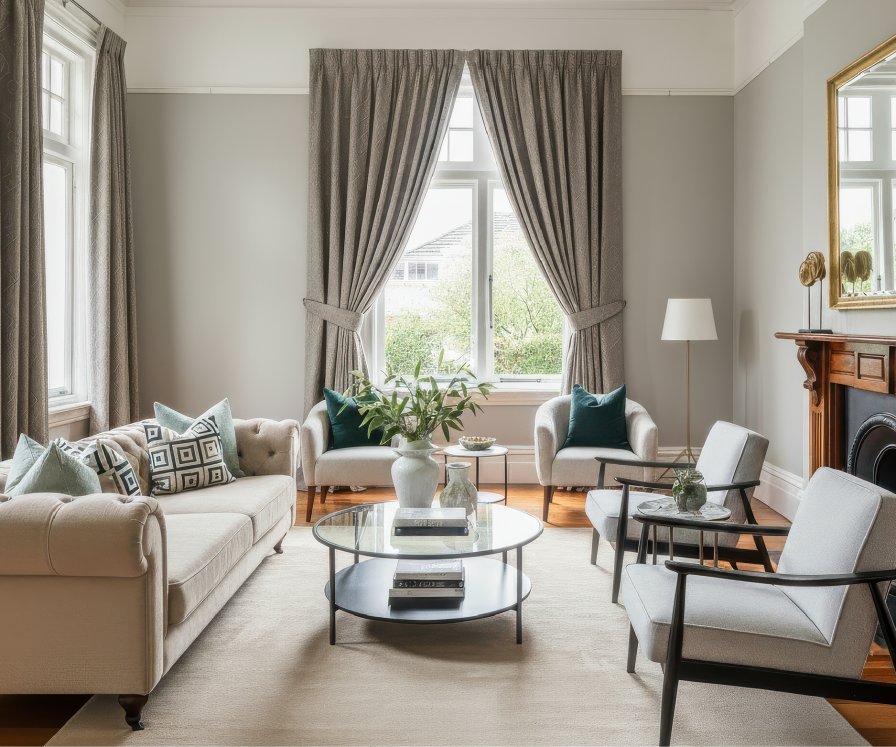
When are curtains the right choice?
Curtains are a common choice for aesthetic window treatment. They instantly add softness to a room, with endless options of fabric, pattern, and colour. Sheer curtains are popular in coastal or lake areas, letting in plenty of light while still offering privacy. Heavier lined curtains in darker tones are often chosen for southern homes, where creating a cosy retreat from frosty mornings is a priority. Linen curtains add a natural look to a home, and they also filter light beautifully. However, their natural fabric is not always suited to New Zealand weather. Our consultants can also provide other options similar in style to linen, or blends, if they think linen isn’t suited to your region.
Curtains are thinner than drapes and therefore better for light control than insulation. Sheers, hung alone or paired with a heavier fabric or blinds, add privacy and help protect your interior from harsh UV rays, especially in bright sunny areas like Bay of Plenty. Russells’ consultants also recommend them for large windows to allow for greater inside/outside flow.
Elegance Shades are very similar to sheers. They combine the softness of curtains with the practicality of blinds. Russells’ experts still consider them as curtains with their airy fabric. Their innovative system allows for versatile light control, either blocking or filtering the light just by rotating a wand.
Triple weave and lined curtains are between curtains and drapes, slightly heavier than simple curtains but lighter than heavy velvet drapes. They are a great option if you’re looking to add insulation to your window without the bulk. Both lined and triple weave curtains filter and dim the light, making them a perfect choice as bedroom curtains or for a room getting a lot of sun exposure.
Make your curtains floor-length to cover the sill gap and help prevent cooler air from leaking. Pairing your curtains with honeycomb blinds is also a solution for year-round insulation, as well as creating a more layered style.
Curtains do need a little extra care compared to blinds. Fabric collects dust and, in humid regions like Northland, can develop mould if not regularly aired. Certain types of fabric are more suited depending on the area you’re living in. Every so often your curtains will need a proper clean. Depending on the fabric, they can be machine-washed for ease or dry-cleaned for more delicate panels like linen or cotton. Lighter and thinner than drapes, curtains are still easier to wash than bulky fabrics. Our experts also recommend choosing fabrics that resist fading for sun-exposed rooms, especially in north- or west-facing living spaces. With the right fabric and upkeep, curtains can last years while still looking fresh.
Are drapes worth it for insulation and drama?
Drapes bring a sense of elegance and drama to a space. Russells’ experts highly recommend a floor length for those heavy fabrics to fully express their luxurious look. They can make smaller spaces appear taller and more refined and turn window treatments into statement pieces. Velvet drapes create that luxurious feel, with their rich pile catching the light and creating gleams. Deep colours like forest green or sapphire blue work beautifully with velvet fabrics. Thick triple weave and blockout drapes, while more understated, give a tailored look to modern or minimalist interiors. They offer a large range of fabric designs, and their heavy fall creates a sense of cosiness in open-plan homes.
While drapes are looking fabulous, they also do a great job at insulating and blocking light in New Zealand’s varied climate. Thermal drapes, also referred to as thermal curtains, are designed to keep warmth in during winter and heat out during summer. Our consultants know that it’s a valuable feature for Otago’s cold winters and warm summers. Velvet fabrics are dense and naturally block light, enhance insulation, especially in winter, and even dampen noise, making them ideal for urban areas like Auckland or for quiet rooms. Blockout and triple weave fabrics are often suggested by our consultants for bedrooms and media rooms where controlling light is important. This feature also suits kids’ bedrooms, especially in Christchurch or other eastern regions where summer evenings stay bright until late. Drapes are also great for summer, helping keep interiors cooler by blocking out harsh sunlight. Pair them with sheers to gain in flexibility: sheers for daytime privacy and soft light, and drapes for full coverage at night. This layered approach suits Kiwi homes that need to adapt to four seasons in a day.
Hanging drapes like velvet or thermal on a ceiling-mounted track can boost energy efficiency by up to 40%. Installing them as close to the window frame or to the wall also allows for better insulation.
Because of their size and heavier fabrics, drapes require a bit of effort to maintain. They’re not as easy to wash as roller blinds or even lighter curtains, often needing professional cleaning to stay in great condition. Dust and pet hair can settle into velvet fabrics, so a regular vacuum with a soft brush helps. They need to be cleaned professionally to preserve their pile. Blockout and thermal fabrics can’t be machine-washed or ironed because of their coated linings and should be cleaned professionally as well. Triple weave drapes are more flexible, as most of them are designed to be machine washable. Our experts recommend them for family homes with pets.
You can choose your blinds, curtains, or drapes based on style, but the right ones can also meaningfully improve the comfort of home by adding insulation or privacy. With New Zealand’s varied climate, there’s no one-size-fits-all answer, and what works in a sunny coastal home won’t necessarily suit a cooler southern region Our consultants work with Kiwi homeowners every day and understand how different fabrics and window treatments perform in real New Zealand conditions.
If you’re still unsure which option is right for your space, they can recommend the best solution based on your location, sun exposure, and how you use each room.
Ready to find the right curtains and blinds for your home? Request a free in-home consultation and one of our local consultants will bring the samples to you, measure up, and give you a no-obligation quote.
Found this helpful? Share it with others…
Guides

Choosing the right blinds for your home
Not sure which blinds will suit your home? From blind types and key features to room-by-room advice, this guide covers everything you need to know.


Frequently asked questions
Are curtains or blinds better for insulation?
For pure insulation, drapes and honeycomb blinds perform best, as both trap air and help hold heat in. Lined or triple weave curtains sit in between, adding warmth without the bulk. For the best year-round result, many Kiwi homes layer curtains or drapes over blinds.
Which window treatment is easiest to maintain?
Roller blinds are the easiest to look after and the most versatile for New Zealand’s climate, as their polyester blends resist moisture and UV. Curtains and drapes need a little more care, with occasional washing or professional cleaning depending on the fabric.
What suits a cold southern climate like Otago?
Colder regions benefit most from honeycomb blinds, thermal drapes and lined curtains, all of which help keep warmth in during winter. Layering window treatments adds even more insulation against frosty mornings.
Can I combine curtains, blinds and drapes?
Yes, and for New Zealand’s changeable weather it is often the best approach. Layering sheers, blinds and drapes gives you flexible light control and privacy by day and full coverage and insulation at night.
How do I decide what is right for my home?
The right choice depends on your region, your home’s orientation, sun exposure and how you use each room. If you are unsure, our consultants can recommend the best solution in person during a free in-home consultation.
Expert advice at home
We come to you, anywhere in New Zealand. Because your place is the best place to choose curtains and blinds.