




How to soundproof your bedroom

- Kerrin Auld
- Consultant
In short
Soundproofing a bedroom is really about absorbing noise and sealing the gaps it travels through. Thick, layered, thermal-lined curtains, roman blinds or honeycomb blinds all help soften outside noise, while soft furnishings, a door sweep and double glazing reduce it further. For a bigger difference, denser building materials and acoustic insulation can be added during a renovation or new build.

Whether you want to minimise noise coming from outside or stop it travelling around inside the home, here are some of the easiest ways to soundproof your bedroom.
Table of contents
Can curtains and blinds block out noise?
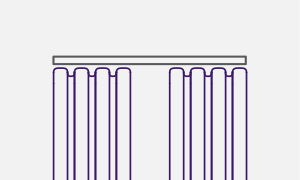
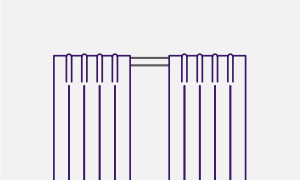
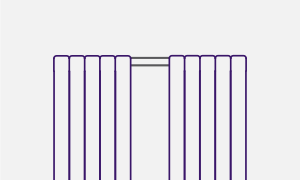
There are specially made acoustic curtains available but they can be very bulky and heavy and certainly don’t offer the same variety of style aesthetics as regular curtains and blinds. Now, while they cannot completely block out noise, they can help reduce it. The best options are curtains, roman blinds or honeycomb blinds.
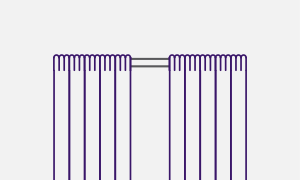
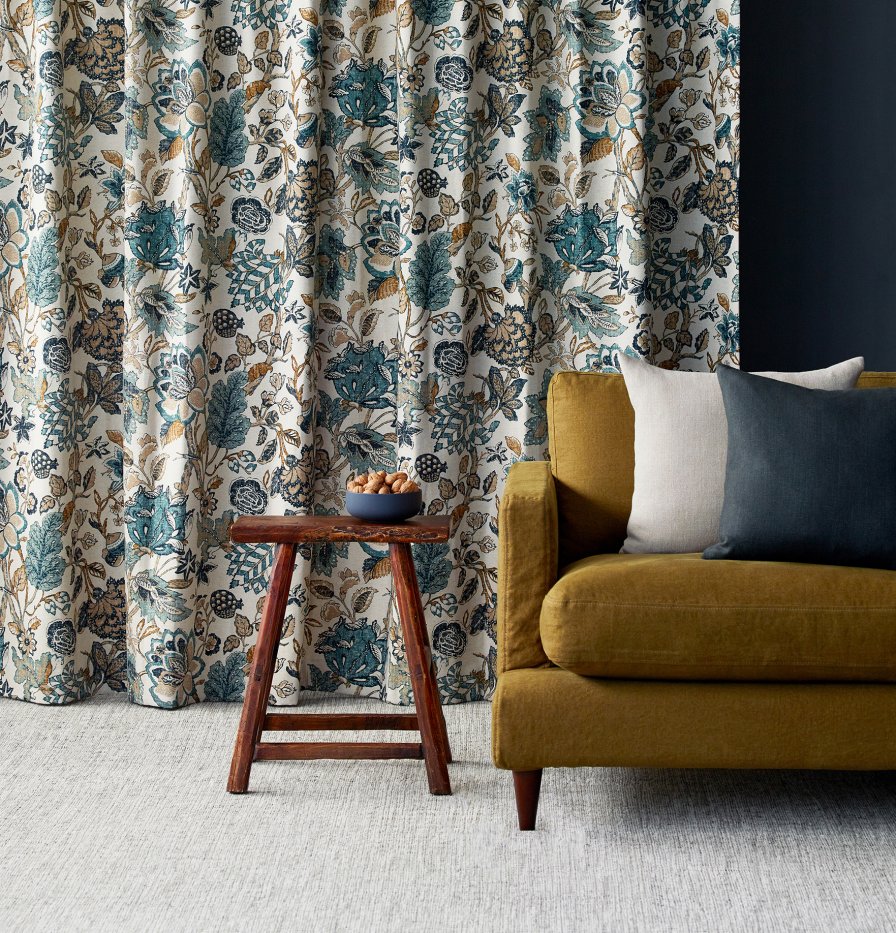
Curtains – reducing noise all comes down to absorbing the vibrations so opt for the thickest, heaviest fabric you can (eg. velvet curtains or wool). The more layers the better so ensure you get them thermal lined and you could also opt for a blind underneath as well.
Roman blinds – as with curtains, the thicker the fabric and more layers the better
Honeycomb blinds - the unique cellular design is great for cutting out noise. Just as the cells trap air to reduce heat transfer, they can also help keep out noise.
Use bookcases
Making your walls thicker by lining them with books on bookshelves creates a fairly effective sound barrier that absorbs a lot of noise.
Install a door sweep
A small rubber strip to block the gap between the bottom of the door and the floor stops noise travelling as well as draughts blowing into the room.
Soft wall hangings
Noise ricochets off hard surfaces; hanging soft things on the wall, such as a tapestry, decorative rug or quilt, will help to absorb noise vibrations and the way they travel.
Future technology
There’s a materials science and technology lab in Switzerland that has produced a light, translucent fabric made of modified polyester designed to absorb sound.
Invest in double-glazing
Sound travels faster through something solid than it does through air alone. That pocket of air between the two panes of glass not only retains heat, it also keeps noise at bay.
If you already have double-glazing, ensure your window caulking has no gaps. According to the rules of acoustics, a mere 1% gap in the sound barrier can transmit 50% of sound.
Building materials & construction
If you’re undergoing major renovations or building new there are a number of things you can do at this stage to really help block out noise.
Use thicker, denser materials to absorb more sound, eg. 13mm plasterboard instead of the thinner sizes. This is also a good retrofit solution.
Install acoustic insulation. Foam installation is not a good soundproofer but fibreglass is; specialist products such as Pink Batts Silencer can be installed to help absorb sound and stop it travelling from room to room.
Fill walls with a damping compound. This magical substance converts sound energy to heat and can be used between layers of wall, floor, or ceiling. Just be aware that some damping compounds can take an extraordinary period of time (days, even weeks) to cure and reach their full potential.
Decoupling is the muffling of a sound by enclosing it in a space. This effect can be achieved by creating two separate layers of wall with as much space between them as possible and filling them with a damping compound.
Double studs. Most walls contain a single row of studs, which touch both layers of wall allowing sound to travel through easily. Try either a double row of studs along each interior side (this is very effective but requires a significant amount of space), or a staggered row of studs, alternating placement along one interior side, then the other.
Ready to find the right window furnishings for your home? Request a free in-home consultation and one of our local consultants will bring the samples to you, measure up, and give you a no-obligation quote.
Found this helpful? Share it with others…
Guides

Choosing the right curtains for your home
Not sure which curtains will suit your home? Find out everything you need to know with this free guide.


Frequently asked questions
Do curtains actually reduce noise?
They can help, though they won't block noise completely. The key is absorbing the vibrations, so choose the thickest, heaviest fabric you can — such as velvet or wool — get it thermal lined, and consider adding a blind underneath for extra layers.
Which blinds are best for reducing noise?
Roman blinds and honeycomb blinds are the best choices. With roman blinds, the thicker the fabric and the more layers the better, while a honeycomb blind's cellular design traps air that helps keep both heat and noise out.
What are some easy, low-cost ways to soundproof a bedroom?
Simple steps make a real difference: line a wall with a full bookcase, fit a door sweep to seal the gap under the door, and hang soft items like a tapestry, rug or quilt to stop noise bouncing off hard surfaces.
Does double glazing help with noise?
Yes. The pocket of air between the two panes keeps both heat and noise at bay. If you already have it, check the window caulking has no gaps — even a 1% gap in the sound barrier can transmit around 50% of sound.
Expert advice at home
We come to you, anywhere in New Zealand. Because your place is the best place to choose curtains and blinds.