




Pick up liners: why you should be lining your curtains

- Karina Dollman
- Consultant
In short
Lining your curtains is the simplest way to make them work harder — blocking more light, holding in heat, adding privacy and even reducing noise. There are several options to choose from, including thermal coated fabrics and linings, block-out fabric, interlining and woven triple weave linings, each suited to different needs. Our team can help you find the right combination for your room and the look you want.
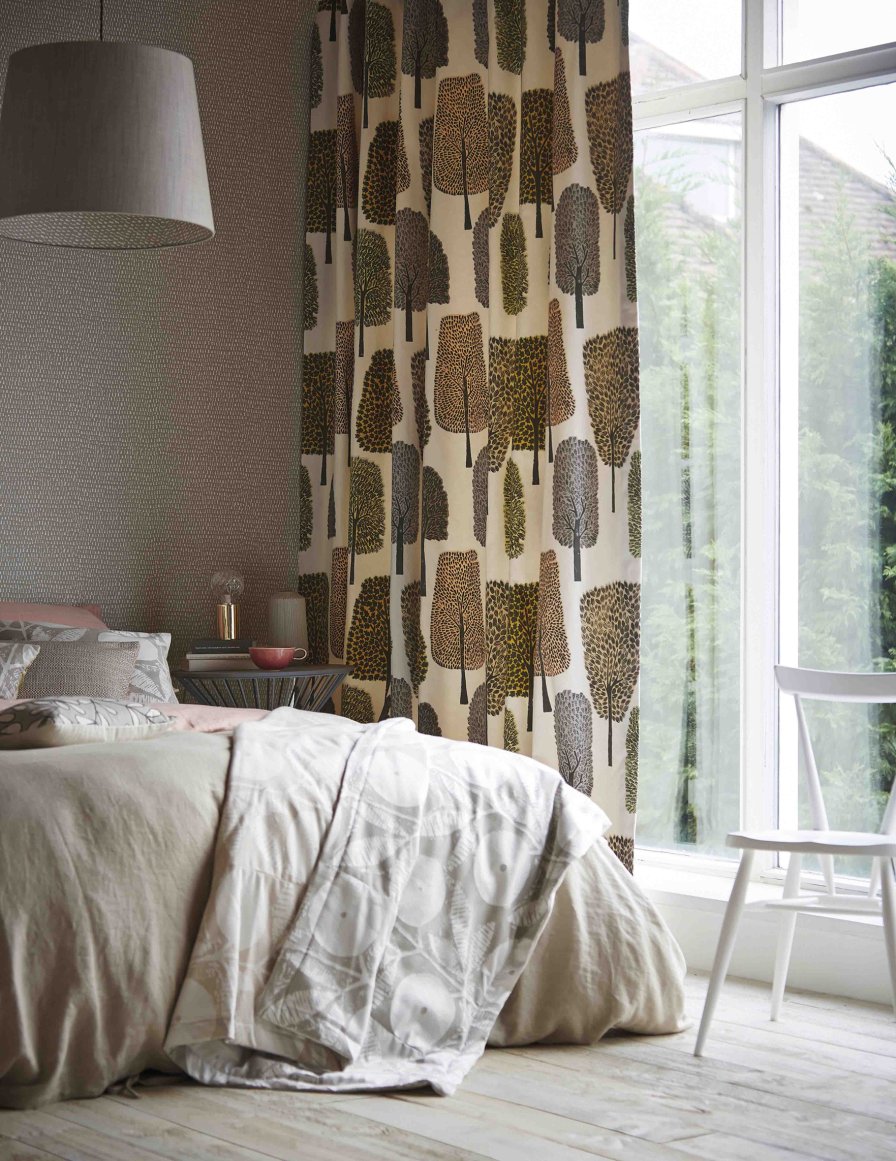
Curtains are a beautiful addition to any room, adding depth and plushness that only swathes of fabric can.
While there are so many beautiful patterns, designs and materials to choose from - the sure-fire way to maximise your curtains’ primary purpose (blocking light, retaining heat, privacy) is to line those bad boys.
A good, thick lining can even reduce noise - how’s that for clever?! At Russell’s we have a range of linings available and can ensure you find the right solution for your space.
Table of contents
Thermal coated fabrics
Curtains and blinds can be unlined but the face fabric can be thermally or block-out coated. Available in one pass (light filtering), two pass (dim out) or three pass (block-out). These will determine how much light comes through the curtain however for extra thermal efficiency we recommend adding an additional thermal lining.
Thermal coated fabrics improve the insulation and energy efficiency of your home by being treated with layers of acrylic. However thermal coated fabrics usually are quite stiff in the way they hang so if you want a look where the drape falls softly, you may want to look at a lined drape instead.
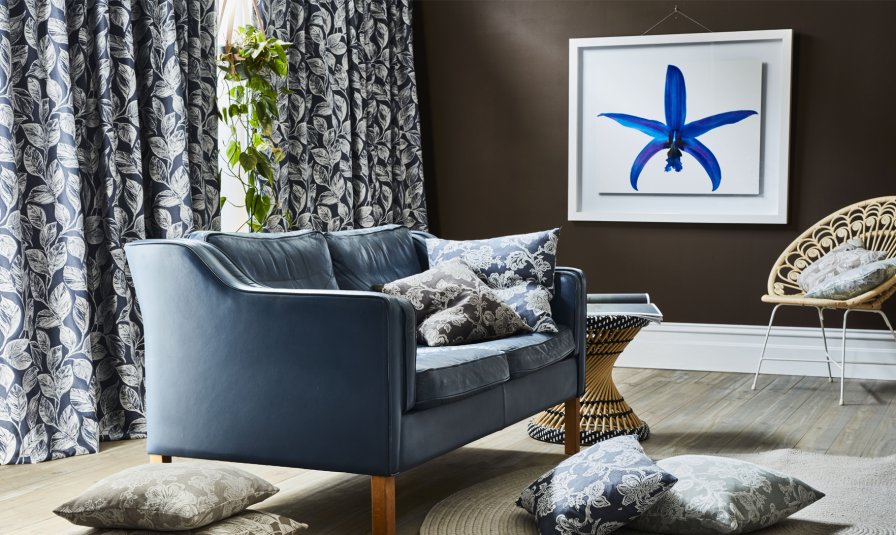
Thermal coated linings
While it sounds similar to the above, thermal coated linings are a separate lining to the face fabric. It also comes in one pass (light filtering), two pass (dim out) or three pass (block-out).
Opting for a separate thermal lining provides a whole new level of protection - not just for your room, but for the facing fabric, too.
The reason curtains keep room warm is because they stop the air inside cooling, and with thermal lining, a warm air pocket is created between the lining and curtain, stopping the cold air sinking and pushing hot air up - where it too, cools.
Drapes that are lined with thermal or woven linings are very effective at protecting your house from extreme temperatures - keeping your home cooler in summer and warmer in winter. Plus depending on your choice of face fabric, they will drape more softly than a thermal coated fabric.
Block-out fabric
Block-out fabric is actually backed by a type of foam, which block out the most amount of light and give you the most amount of privacy. For travellers, shift workers, and parents of babies, block out fabrics can be a god’s send in the bedroom.
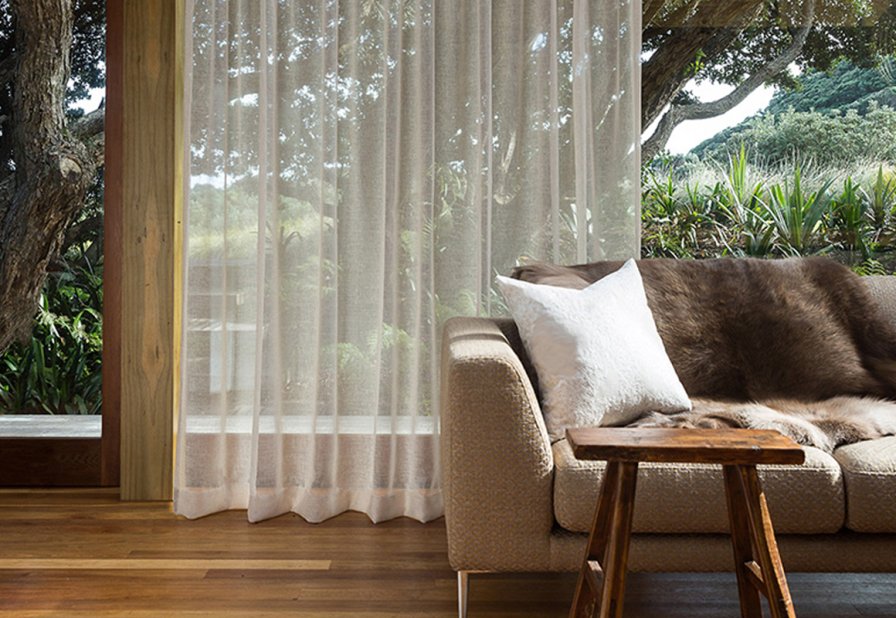
Interlining
Interlining - as the name suggests - is the layer of fabric between the main curtain facing fabric and the lining.
Invented to increase thermal performance and reduce noise because of their thicker makeup, interlined curtains provide an extra barrier to prevent cold drafts blowing in and warm air seeping out.
The extra layer also means the curtains are heavier than their un-interlined counterparts, the extra make making them hang better and look thicker and plusher whether open or closed. Consider choosing a pleat style like a Single Pleat or Reverse Single Pleat to keep your fullness down.
Interlining comes in bumph (baby weight), interline (mid-weight) or bumph micro (thick like a duvet).
Woven or triple weave linings
Again, as the name suggests - this type of lining is made up of three interwoven layers which create a soft finish favoured for the way it drapes. Browse our triple weave curtains.
Woven with a black thread in the centre, it creates a tonal self-lining - genius!
Thick and tightly woven, it is perfect for heat and cold insulation, known to be predominately dim out but some woven fabrics can have up to 95% block out. This style is favoured for its flame retardant properties and longevity - making them popular for commercial and rental spaces.
Ready to find the right curtains for your home? Request a free in-home consultation and one of our local consultants will bring the samples to you, measure up, and give you a no-obligation quote.
Found this helpful? Share it with others…
Guides

Choosing the right curtains for your home
Not sure which curtains will suit your home? Find out everything you need to know with this free guide.


Frequently asked questions
Why should I line my curtains?
Lining is the surest way to get the most from your curtains' main jobs — blocking light, retaining heat and giving you privacy. A good, thick lining can even help reduce noise, and it protects the face fabric as well.
What is the difference between a thermal coated fabric and a thermal lining?
A thermal coated fabric has the treatment applied directly to the face fabric, which can make it hang quite stiffly. A separate thermal lining sits behind the face fabric, adding a whole new level of protection while letting the curtain drape more softly.
Which lining blocks the most light?
Block-out fabric, which is backed by a type of foam, blocks the most light and gives the most privacy. It is a real help in the bedroom for travellers, shift workers and parents of babies. Some tightly woven linings can also reach up to 95% block out.
What is interlining?
Interlining is an extra layer of fabric between the face fabric and the lining. It boosts thermal performance, reduces noise and adds weight, so the curtains hang better and look thicker and plusher whether open or closed. It comes in bumph, interline and bumph micro weights.
How thermally efficient is a warm air pocket between lining and curtain?
Very. Curtains keep a room warm by stopping the inside air from cooling, and a thermal lining creates a warm air pocket between the lining and the curtain. This stops cold air sinking and warm air being pushed up to cool, keeping your home warmer in winter and cooler in summer.
Expert advice at home
We come to you, anywhere in New Zealand. Because your place is the best place to choose curtains and blinds.