







Stop your curtains getting damp and mouldy

- Aaron Page
- Consultant
In short
Mould and mildew grow on curtains when there’s warmth and moisture in the home — and in New Zealand’s humid climate, everyday living adds plenty of it. The best defence is keeping your home dry and well ventilated: a dehumidifier or ventilation system, cracking windows, extractor fans, good insulation and an even indoor temperature all help. If mould does take hold, the fabric can often be treated, but heavily affected curtains are usually best replaced.
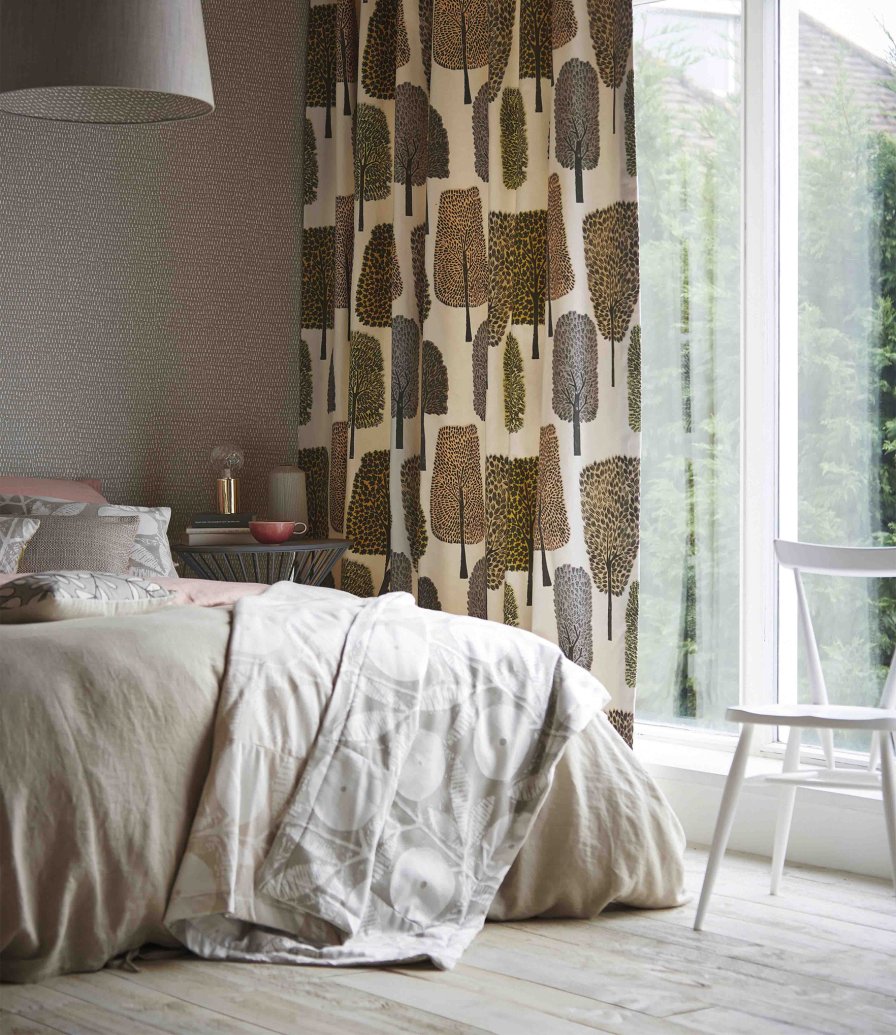
It’s time to bid farewell to summer for another year and start facing the reality that soon it’s going to be cold and damp for a while. As we enter those colder months and condensation appears on the windows, we thought it was a good time to share some tips on preventing mould and mildew growing on your curtains.
Table of contents
What makes mould and mildew grow?
Interestingly, it’s not directly the condensation on your windows that causes mould and mildew because most curtains don’t come into contact with it. Mould and mildew grow when there’s moisture and warmth in the home, which condensation does contribute to.
Just like everything absorbent in your home, as temperatures go up the moisture in the air evaporates and is absorbed into the fabric. As they cool, the moisture changes back from its gaseous state to being closer to its liquid form. In absorbing this moisture they also take in any bacteria it holds. Repeated over time, this is what causes the nasty growths.
What’s the difference between mould and mildew?
Mould is a broad term that encompasses multiple identical nuclei and can grow beneath and penetrate the surface of affected material. Mildew is a type of mould that grows on the surface and can therefore be much more easily treated/removed. When it’s live, moulds are orangey or reddish in colour. The black patches we see are actually the hibernating mould spores waiting for the sun to warm them up and bring them back to life.

Where does all this moisture come from?
We live in a pretty humid climate in New Zealand at the best of times; in some areas it’s even greater. But its not all weather related. Cooking, showering, drying clothes, unflued gas heaters and simply breathing and existing all produce moisture content within our homes.
How can you prevent moisture build-up and dry out your home?
Install a home ventilation system of some kind.
Crack the windows a little during the day to allow a bit of cool air to flow through your home. North facing windows are best.
Get a dehumidifier. Emptying this once a day (or more!) will really open your eyes to how much moisture is in your home. Remember the science though, you need to warm the air (and thus the moisture in it) before the dehumidifier can suck it in and remove it.
Pop a DampRid moisture absorber container on the windowsill behind the curtains.
Install a ShowerDome and extractor fan in the bathroom.
Make sure your clothes dryer is vented to the outside.
Install a rangehood in the kitchen and use lids on pots and pans.
Change the curtain rail brackets to 80 or 100mm so the curtains are further from the walls and the windows allowing for more air circulation. Bear in mind however, this will likely lower their thermal insulating capabilities.
Invest in double-glazing. Although this does not prevent mildew it can work to slow the onset.
Minimise what mould growth feeds on. Clean soft furnishings regularly, clean windows and wipe down window surrounds with warm soapy water. Check plumbing for leaks.
Maintaining an even inside temperature throughout the house helps stop moist air from condensing.
Insulate well. Start with the ceilings and under floor as a priority, then the walls.
Close curtains/blinds as soon as the sun goes down.

If you have a dry-clean only material or want a more delicate treatment, we recommend professional cleaning. For NON dry-clean only fabrics, dry the curtains then take them outside and wearing protective glasses and respirator or face mask, brush off the mould. Soak them in pre-laundry product such as Napisan for 24-48 hours then put them through the recommended wash cycle. Dry in the sun (not a dryer). Afterwards, make sure you wash yourself and your clothing immediately and thoroughly. Treating with bleach will not kill mould spores, only lighten them in colour. For more on this, see our guide to how to clean your curtains. If you curtains have a lot of mould it is better to get new curtains.
Other home remedies include white vinegar or a clove oil and water solution sprayed on the affected area. Consider treating the curtains with Scotchguard fabric protector for longevity.
Ready to find the right curtains for your home? Request a free in-home consultation and one of our local consultants will bring the samples to you, measure up, and give you a no-obligation quote.
Found this helpful? Share it with others…
Guides

Choosing the right curtains for your home
Not sure which curtains will suit your home? Find out everything you need to know with this free guide.


Frequently asked questions
Does condensation on the windows cause mould on curtains?
Not directly — most curtains don’t actually touch the condensation. Mould and mildew grow when there’s warmth and moisture in the home, and condensation is a sign of that moisture. The fabric absorbs moisture from the air, and over time that’s what causes the growth.
What’s the difference between mould and mildew?
Mildew is a type of mould that grows on the surface, so it’s much easier to treat or remove. Mould can grow beneath and penetrate the material. The black patches you see are usually hibernating mould spores rather than live growth, which is orangey or reddish.
What’s the best way to stop curtains going mouldy?
Keep your home dry and well ventilated. A ventilation system or dehumidifier, cracking windows during the day, extractor fans, venting the dryer outside, good insulation and an even indoor temperature all reduce the moisture that mould needs to grow.
Can mouldy curtains be cleaned, or should I replace them?
Light mould on non dry-clean-only fabric can often be brushed off outdoors (wearing a mask and eye protection), soaked in a pre-laundry product and washed, then dried in the sun. Dry-clean-only fabrics are best treated professionally. If curtains have a lot of mould, it’s better to replace them — and bleach only lightens spores rather than killing them.
Expert advice at home
We come to you, anywhere in New Zealand. Because your place is the best place to choose curtains and blinds.