


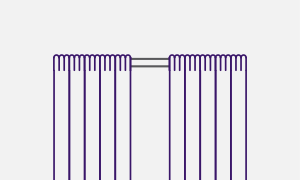
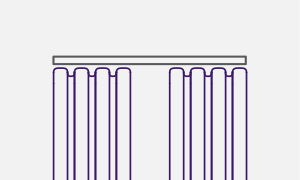
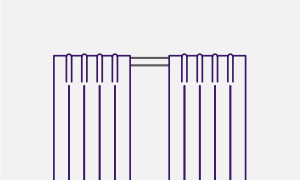
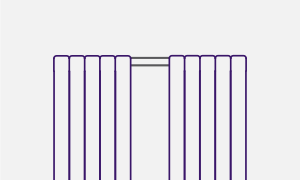


Things that affect the style of your blinds

- Gabrielle King
- Consultant
In short
How your blinds look comes down to several details: the fabric or material, colour and pattern (get samples and match pattern scale to the window), slat width and direction (vertical for wide windows and doors, horizontal to make small windows look bigger), where they hang (an inside mount is minimalist, an outside mount more flexible), how they lift and operate (cordless and motorised options are safest and tidiest), and choosing a type that suits the room's use.
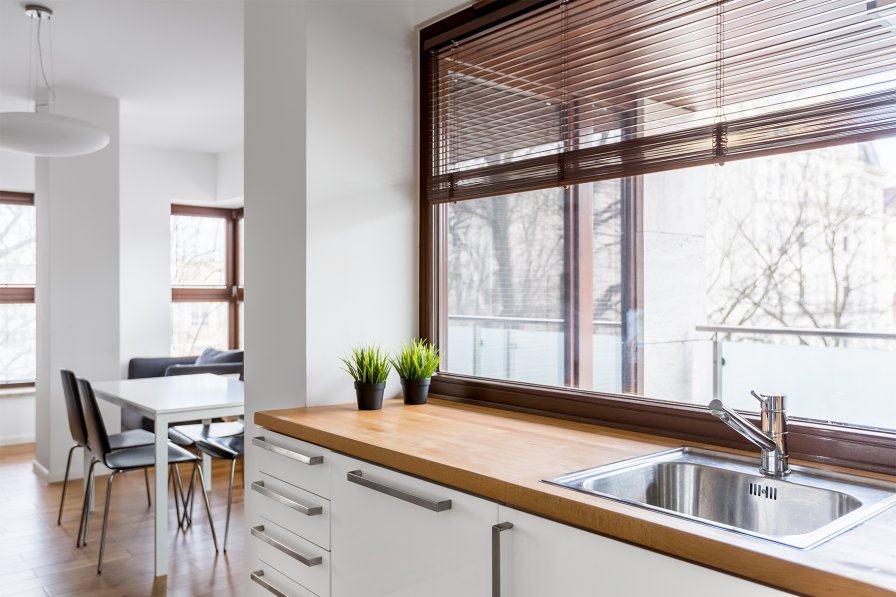
There is a lot to factor into which blinds you choose. Here we cover colour and pattern tips, why slat width and direction matter, where the blinds hang and how they operate, and the room they are in.
Table of contents
Fabric, colour and pattern
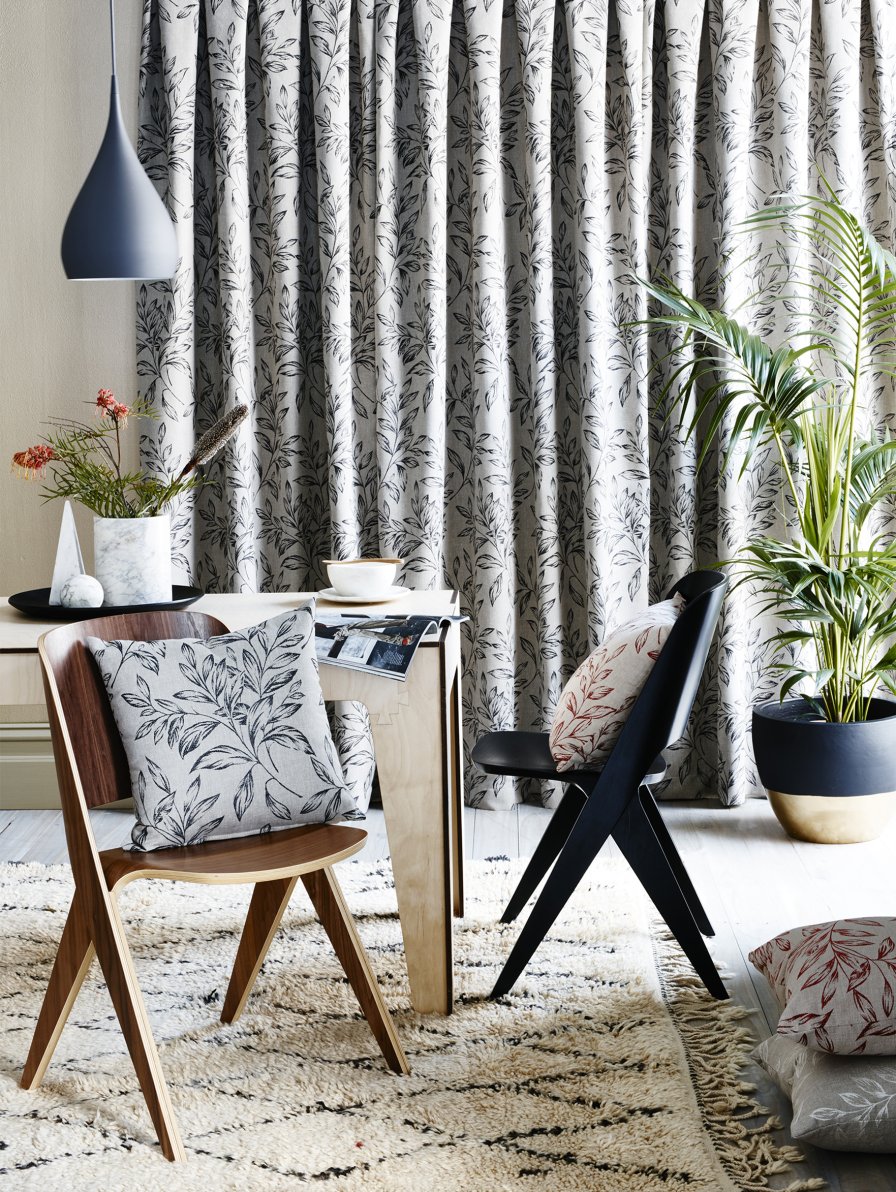
With roman blinds, the fabric affects how the blind hangs, how much light it lets in and the privacy it gives. For slatted blinds, wood and faux wood come in natural, neutral colours; for more colour choices, look at aluminium or PVC Venetians. With colour and pattern, the best idea is to get samples and hold them against the wall to see how they work in your space. Darker colours show dirt less and suit high-traffic rooms, while bright rooms suit lighter colours as darker ones may fade. And match pattern repeat to the window: a large pattern on a large window so you see it in full, a small pattern on smaller windows so nothing is lost.
Slat width and direction
Wide slats are bold and chunky, while narrower slats look more delicate and create more lines across a window. Direction matters too. Vertical slat blinds suit very wide windows and sliding doors, hanging straight down and drawing to one side or splitting in the middle, and they handle angled or sloping windows that follow a stair line. Horizontal slats, as on Venetians, honeycombs or shutters, suit smaller windows and make them appear larger.
Where they hang
Decide whether to mount your blinds inside or outside the window frame. An inside mount looks streamlined and minimalist and shows off decorative window surrounds, though it needs a little room to move so may let a tiny amount of light through at the sides. An outside mount sits at the top of the frame or on the wall above it; you can hide the fittings with a decorative pelmet, it is simple to operate, and it offers more style flexibility because you are not restricted by the size of the blind.
Operation and safety
Traditionally blinds are drawn with a cord, which leaves excess cord when they are down. Rather than leaving it hanging loose, which looks messy and is not safe for children, use a p-clip guide or retainer to keep it snug against the frame. Roller blinds can be spring-loaded with no cord or chain, and with a small motor and remote, or our Zero Gravity chainless operation, just a nudge sends them up.
Function and the room
What you want your blinds to achieve influences the type you choose, which in turn affects the look. For privacy, choose opaque materials and fabrics; for light control, slatted blinds let you leave them down and tilt for a little or a lot of light. Pick a type that suits the room too: wood warps in a bathroom and untreated fabric is prone to mould, while in the kitchen your choice should be flame retardant, odour-resistant and easy to clean.
There is a lot to weigh up, so the easiest way is to see samples in your own home. Request a free in-home consultation and a consultant will help you choose blinds that look and work just right.
Found this helpful? Share it with others…


Frequently asked questions
What affects the style of blinds?
Lots of things: the fabric or material, colour and pattern, slat width and direction, whether they are mounted inside or outside the window frame, how they lift and operate, and the room they are in. Each choice changes both the look and the way the blind performs.
How do I choose the right colour and pattern for blinds?
Get samples and hold them against the wall to see how they work in your space. Darker colours hide marks and suit high-traffic rooms; lighter colours are better in bright rooms where dark shades may fade. Match pattern scale to the window, a large pattern for a large window, a small one for smaller windows.
Should blinds be mounted inside or outside the window frame?
An inside mount looks streamlined and minimalist and shows off decorative surrounds, but may let a little light in at the sides. An outside mount sits on or above the frame, can hide fittings behind a pelmet, is easy to operate, and gives more flexibility as you are not limited by the window size.
Do vertical or horizontal slats suit my window?
Vertical slats suit very wide windows and sliding doors, and angled or sloping windows that follow a stair line. Horizontal slats, as on Venetians, honeycombs or shutters, suit smaller windows and make them appear larger. Wide slats look bold, narrow slats look more delicate.
Expert advice at home
We come to you, anywhere in New Zealand. Because your place is the best place to choose curtains and blinds.