




What to consider when selecting curtain fabric

- Jennifer Elliot
- Consultant
In short
Choosing curtain fabric is about balancing how the curtains will look with how you need them to perform. Start with the fabric type — cotton, linen, velvet, voile and the rest each suit different rooms — then think about colour and pattern, the lining, and what the room actually needs, whether that’s privacy, warmth or easy cleaning. A consultant can help you weigh it all up.
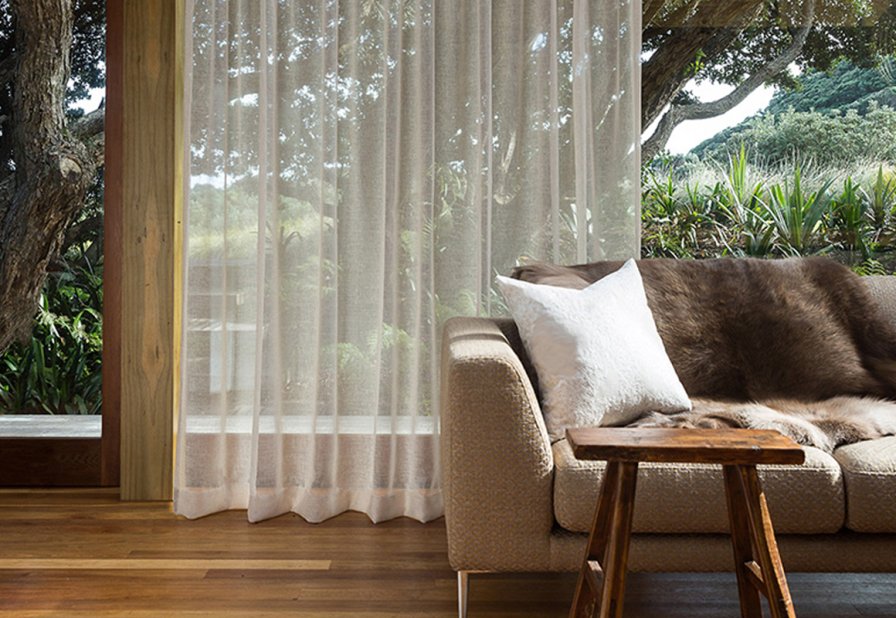
Once upon a time curtains were purely practical. Now they’re also part of a personal statement we make about ourselves via our homes’ interior décor. But they still serve a purpose so when choosing curtain fabric you’ll need to consider how you want them to perform as well as how you want them to look. Here are the main things to consider, plus an update on some new fabric releases.
Table of contents
What are the different curtain fabric types?
Choosing the fabric type is a good place to start as each has its own benefits and best uses.
Cotton - versatile, suits traditional or modern styles, must be lined for good drapage
Silk - luxurious but not very functional and prone to damage easily
Linen - natural fibre, creates an airy, casual, relaxed environment
Polyester - a very common choice, durable, affordable, easy to care for, however not good for airflow and it absorbs odours
Velvet - great light-blocking and insulating properties, perhaps a tad on the old fashioned and extravagant side
Acrylic - similar texture to wool, lightweight, drapes beautifully, good insulation, hypoallergenic and resistant to mould and mildew
Voile - best used as sheers, creates a light, airy ambience while still allowing privacy

How do I choose colour, pattern and weave?
When it comes to colour, pattern and weave, ultimately the choice is yours. You will know what is pleasing to your eye and what is not. Even if you can’t decide, that’s where engaging a good consultant will help whittle down your options. If you’re looking for inspiration check out our blogs on curtains for white walls and grey rooms.
If you’re choosing a patterned curtain fabric, the larger the sample the better. You want to be able to see how the pattern repeats, how it looks when the curtains are drawn back/open, and how dominating the pattern is on a large scale when they are closed.
What lining should I choose?
Not only do you need to choose a fabric for your curtains, you’ll also need to put some thought into the lining. Lining can have a number of effects, dramatically improving heating or cooling efficiency, blocking out light, helping to reduce noise, or affecting the way the fabric drapes.
Sometimes no lining is an option, depending on where you want the curtains and what you need them for. For example, in the kitchen, blocking out light isn’t as important as being able to easily clean the curtains you here you might opt for an unlined fabric.
How does the room affect which fabric is best?
Where the curtains will be located plays a part in which fabric is best also, eg. lightweight fabric vs. thick and heavy. Ask yourself what is it you need from your curtains?
Privacy
Light blocking
Be easy to clean
Insulation
Noise reduction
Protecting furniture from UV rays
Blocking glare

New release fabrics
James Dunlop have recently added to their extensive fabric collection
Pegasus Sencha - Pegasus Sencha is a range of popular fabrics for sheer curtains. Four 4 new colours have been added this year: white, linen (soft, warm neutral), dove (soft grey) and soft charcoal.
James Dunlop Dream Weaver - With both residential and commercial appeal, James Dunlop Dream Weaver range is among their biggest sellers worldwide. The five new colours in this range of strong neutrals include: onyx (deep black), steel (mid-charcoal), flint and micro (soft greys), and pavement (light neutral).
James Dunlop Indent - The Highlands Collection offers a variety of checks and stripes in a refreshed colour palette. Consisting of five or six designs, this collection has some depth and colour to it but also features strong neutrals.
We hope you’ve found this info helpful. When it’s time to choose curtain fabric for your home there are lots of other things to consider to ensure you end up with a look you’ll love for years to come.
Ready to find the right curtains for your home? Request a free in-home consultation and one of our local consultants will bring the samples to you, measure up, and give you a no-obligation quote.
Found this helpful? Share it with others…
Guides
View all
Choosing the right curtains for your home
Not sure which curtains will suit your home? Find out everything you need to know with this free guide.


Frequently asked questions
What is the most practical curtain fabric?
Polyester is one of the most practical everyday choices — it’s durable, affordable and easy to care for. Cotton and acrylic are also versatile and hard-wearing. The right choice depends on the room and whether airflow, drape or insulation matters most to you.
How can I tell whether a fabric will need lining?
It depends on the fabric. Light, loosely woven fabrics usually need a lining to hang well, block light and last longer in the sun, while some heavier fabrics can be made up unlined. When you are choosing, ask how each fabric is designed to be made up so you are comparing like with like.
Which curtain fabric is best for insulation?
Velvet and acrylic both have good insulating properties, and the right lining adds further warmth. If keeping heat in is a priority, talk to a consultant about pairing a heavier fabric with a thermal lining.
How big should a fabric sample be before I decide?
As large as you can get, especially for patterned fabrics. A bigger sample lets you see how the pattern repeats, how it looks open versus closed, and how dominant it feels at full scale — all things a small swatch can’t show you.
Expert advice at home
We come to you, anywhere in New Zealand. Because your place is the best place to choose curtains and blinds.