




Which blinds provide the best insulation?

- Kerrin Auld
- Consultant
In short
Glass is a poor insulator, so quality blinds make a real difference to how much heat your home holds onto in winter. Honeycomb blinds and thermal-lined roman blinds offer the best insulation, while roller blinds can perform well with the right configuration. Whichever you choose, a snug fit that seals the window is what makes them work.
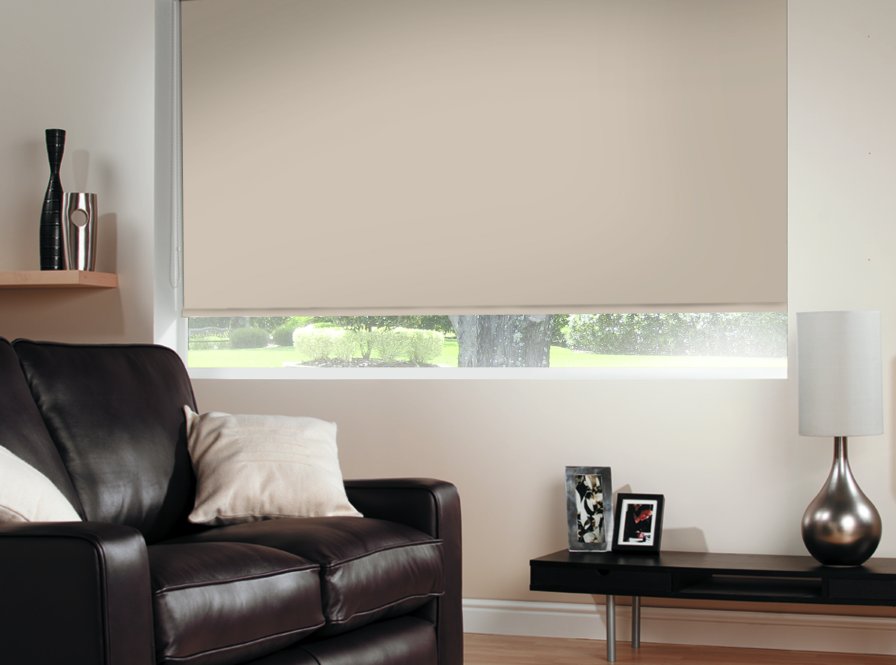
The reason we lose so much heat out windows is because glass is a poor insulator. It’s well accepted that a good way to reduce heat loss out your windows during the colder months is to invest in quality curtains and blinds. Read on to find out why romans and honeycombs have the best insulating properties and how to make rollers perform at their best, plus a few other considerations about placement for good effect.
Table of contents
Why do windows lose so much heat?
When temperatures are colder outside than inside, glass conducts the heat from inside the house to the outside where it disappears. The air next to the glass inside, having lost its heat, becomes cold and dense and falls to the floor drawing in new warm air from above. This cycle continues until you lose all your warm air outside.
Why does a snug fit matter?
To provide good insulation, your blinds need to fit snugly with the window frame to seal any gaps and trap the air in between the blind and the window. Any gap and the thermal effects of the blind, even if it’s well lined, will be negated. For this reason, we recommend fitting the blind outside the window frame.

How important is lining?
Lining is essential for improving insulation so if this is what you need from your blinds, choose and option that can be lined, such as a roller roman blind.
Why are honeycomb blinds so good at insulating?
Like double glazing, honeycomb blinds have air pockets in them which forms barrier for increased insulation and energy efficiency. For keeping your home warm they’re possibly the best option.
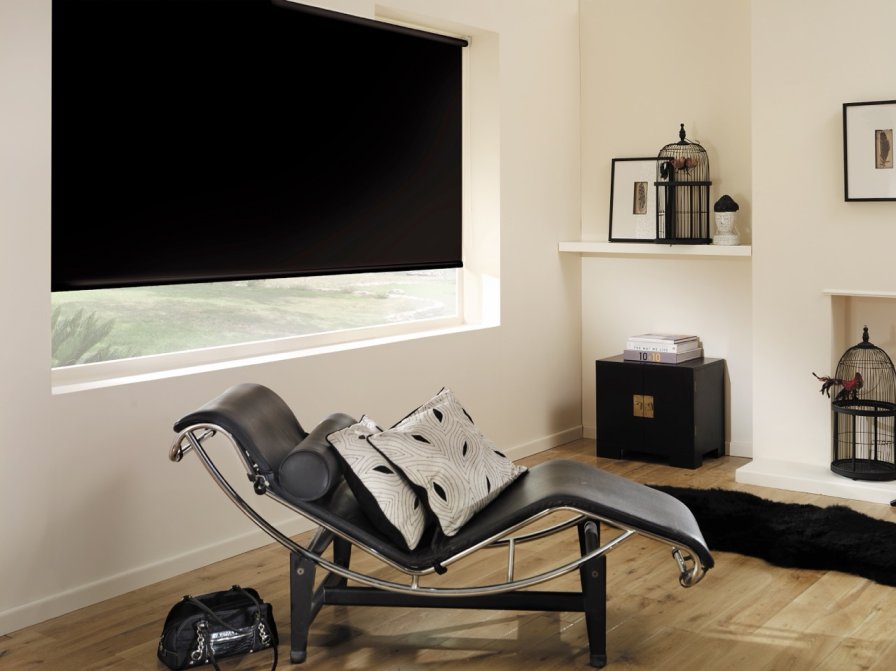
How do roman blinds perform?
Thermal lined roman blinds are also an excellent choice. They cover the entire window space leaving little room for heat to escape. You have a choice of fabrics to suit your aesthetic and insulating needs, and they can be constructed with a number of different linings to ensure you get the insulation and blockout properties appropriate for your room. Just remember they need to fit snugly against the wall to create that seal and stop cold air leaking through.
Can roller blinds insulate well?
With roller blinds you have a choice of either an over roll or under roll. This refers to the direction the blind comes off the roll. If insulation is a major goal, go for the under roll where the fabric comes off the roll backwards. This means the blind unrolls against the wall (as opposed to jutting out from it with an over roll) and will help stop cold air getting in.
What about venetian and vertical blinds?
These options are not very energy efficient. The small gaps in between each slat in Venetian blinds and vertical blinds allows warm air to escape, reducing insulation capabilities. Don’t write them off completely however. Insulation requirements vary throughout the home so they may still be appropriate for rooms that need less insulation such as the bathroom, kitchen or laundry.
To find out even more ways to reduce heat loss through windows read our blog.
Ready to find the right blinds for your home? Request a free in-home consultation and one of our local consultants will bring the samples to you, measure up, and give you a no-obligation quote.
Found this helpful? Share it with others…
Guides

Choosing the right blinds for your home
Not sure which blinds will suit your home? From blind types and key features to room-by-room advice, this guide covers everything you need to know.


Frequently asked questions
Which blinds are warmest for a New Zealand home?
Honeycomb blinds are usually the warmest choice, because their air pockets work much like double glazing to trap heat. Thermal-lined roman blinds are also excellent, as they cover the whole window and seal it well. The right option for you will depend on the room and how it is used.
Should blinds be fitted inside or outside the window frame for insulation?
For the best insulation, fit blinds outside the window frame so they seal any gaps and trap a layer of air between the blind and the glass. Even a well-lined blind loses much of its thermal benefit if warm air can escape around the edges.
Do roller blinds insulate well?
They can, if you choose the right configuration. An under roll, where the fabric unrolls against the wall, sits closer to the window and helps stop cold air getting in, making it the better choice when insulation matters most.
Are venetian and vertical blinds good insulators?
Not particularly, because the gaps between the slats let warm air escape. That said, they are still a sensible choice for rooms that need less insulation, such as the bathroom, kitchen or laundry.
Expert advice at home
We come to you, anywhere in New Zealand. Because your place is the best place to choose curtains and blinds.