




Choosing fabric for roman blinds

- Karina Dollman
- Consultant
In short
Three things shape how a roman blind looks and performs: colour, pattern and texture; the fabric type; and the lining. Because a roman blind sits flat, a patterned fabric becomes a feature, almost like art on the wall. Choose a robust, non-railroaded fabric, match the fabric type to the room, and add a lining (light-filtering through to blockout) for light control and warmth. A Russells consultant can bring samples to your home to help you decide.
Choosing fabric is an exciting part of having your roman blinds custom made. The right choice comes down to personal preference, but here are our tips on colour and pattern, fabric type, and how lining changes the way your blinds look and perform.
Table of contents
Colour, pattern and texture
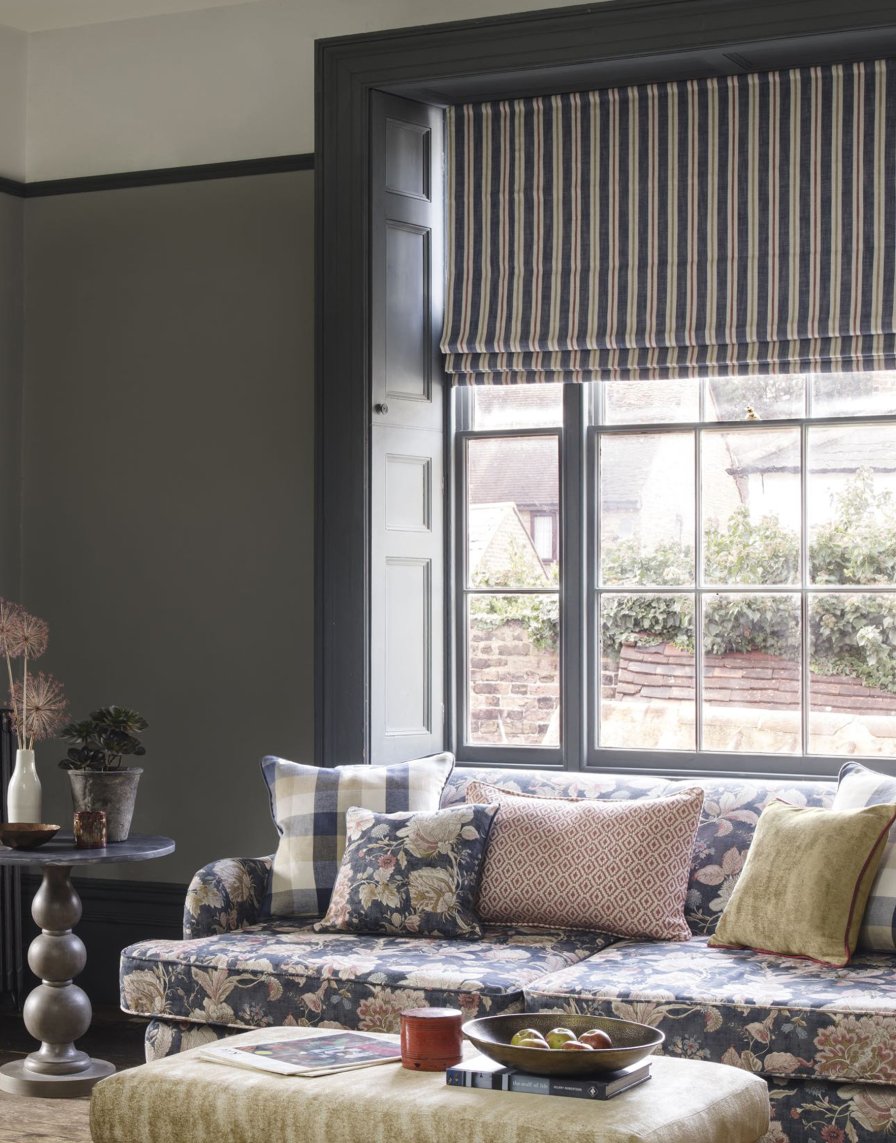
Because roman blinds sit flat, a patterned fabric can create a beautiful feature in a room, almost like a piece of art on the wall. As a general rule, dark colours make a room feel smaller while light tones make it feel larger, though the right dark shade can give a lovely contrast against light walls.
Coordinate your scheme by going tone on tone, layering shades of one colour, or use a colour wheel to pair complementary or contrasting colours. Think about the room too: bedrooms are calmer with softer colours, while bold patterns make more sense in living spaces.
Vertical stripes look great and visually elongate the window, while horizontal stripes and checks can be tricky. Choose a non-railroaded fabric, where the pattern runs down rather than across, since roman blinds need the pattern running the right way. Botanical, textured and geometric fabrics all work well; just watch the scale of the pattern against the window and room, and pick a robust weave so delicate fabrics do not rub as the blind is raised and lowered.
Choosing a fabric type
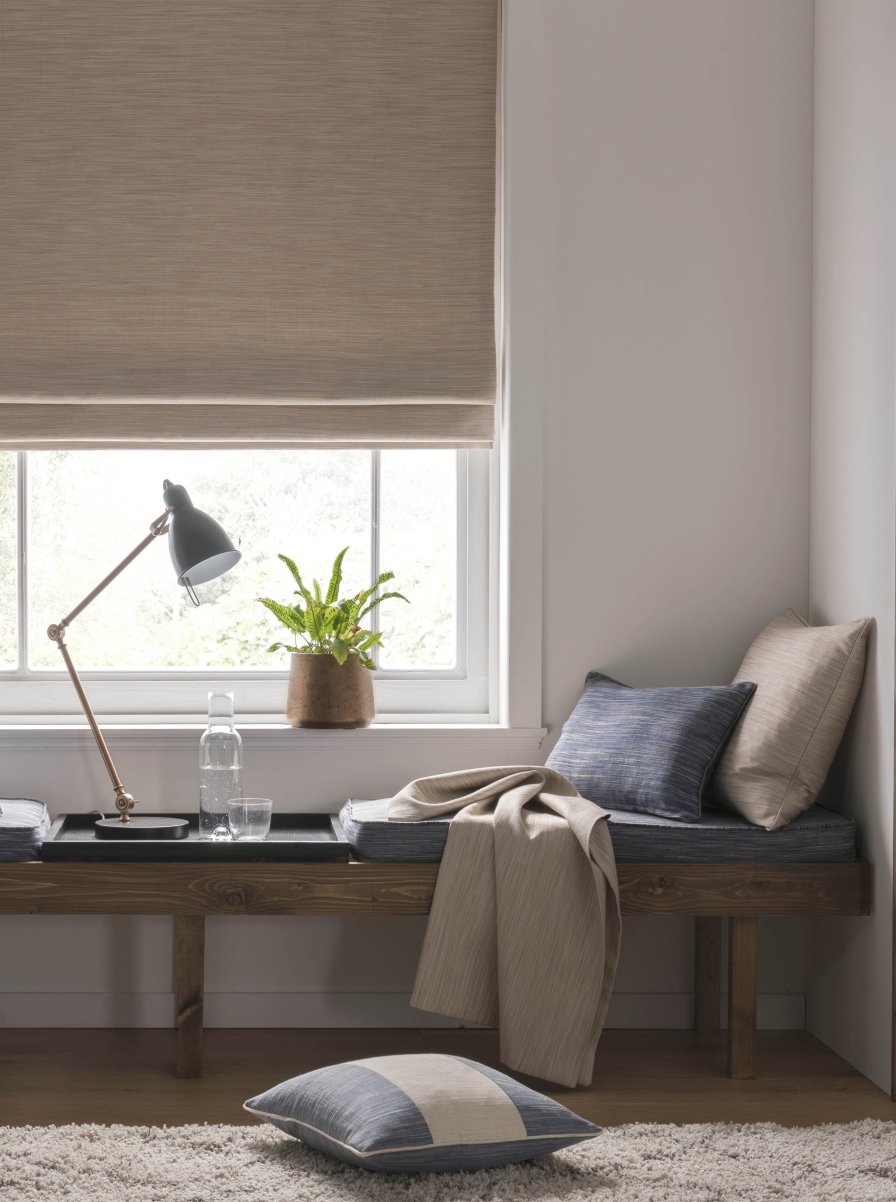
The fabric itself affects how your roman blind looks and performs, based on its weight, texture, light control, durability and sun-fade resistance. The main options are:
Cotton: very versatile, suits traditional or modern styles.
Silk: luxurious and elegant, adds romance to bedrooms or formal dining rooms.
Linen: a natural fibre that creates an airy, casual, relaxed feel.
Polyester: hardworking, durable, affordable and easy to care for.
Acrylic: a wool-like texture, lightweight, with decent insulation; hypoallergenic and resistant to mould and mildew.
Rayon: soft, strong and breathable, and can be woven with natural fibres for varied textures.
Brocade: an elaborately woven fabric that creates a lush, sophisticated tone.
Lining options
Lining is a sensible addition to roman blinds, improving both look and performance. The main options are:
Thermal-coated fabrics: available as one pass (light filtering), two pass (dim out) or three pass (blockout). We recommend a thermal lining for extra thermal efficiency.
Thermal-coated linings: the same options, but as a separate lining to the face fabric.
Blockout: refers to the number of passes that stop light coming through. We recommend a coated lining for stability and structure.
Woven or triple-weave linings: usually dim-out, soft-falling and less structured than a coated fabric.
Interlining: a padded layer (baby-weight, mid-weight or thick) that adds a luxurious fold, though the thicker it is the deeper the stack.
To get the most from a lined roman blind, fit it to the outside of the window frame and go wider and longer than the frame to block as much light and cold air as possible. For more on warmth, see our guide to which blinds provide the best insulation, and once they are up, our guide on cleaning roman blinds keeps them looking their best.
At Russells we custom make roman blinds from an almost limitless range of fabrics, colours, patterns and textures. To see how they look in your space, request a free in-home consultation and one of our consultants will bring a range of samples to your home.
Found this helpful? Share it with others…
Guides

Choosing the right blinds for your home
Not sure which blinds will suit your home? From blind types and key features to room-by-room advice, this guide covers everything you need to know.


Frequently asked questions
What fabric is best for roman blinds?
It depends on the room and the look you want. Cotton is versatile, linen feels relaxed and casual, polyester is durable and easy-care, and silk suits formal spaces. Whatever you pick, choose a robust weave and a non-railroaded fabric so the pattern runs the right way for a roman blind.
Should roman blinds be lined?
Usually yes. A lining improves how the blind looks and performs, adding structure, light control and warmth. Options range from light-filtering through to dim-out and full blockout, plus interlining for a softer, more luxurious fold.
Can you get blockout roman blinds?
Yes. A three-pass thermal-coated fabric, or a separate coated blockout lining, stops light passing through. A coated lining also adds stability to keep the blind well structured.
Do bold patterns work on roman blinds?
They can look striking. Because a roman blind sits flat, a patterned fabric becomes a feature, almost like art on the wall. Mind the scale against the window and room, and keep bedrooms calmer so the pattern does not over-stimulate.
Expert advice at home
We come to you, anywhere in New Zealand. Because your place is the best place to choose curtains and blinds.