




How to use your new home build budget wisely

- Angela Wilson
- Consultant
In short
A new home is a big investment, so the smart move is to set a realistic budget early — with at least a 10% contingency — and spend where it makes the most difference to daily life. Invest in the things you can’t easily change later, like insulation, heating and good lighting, use your space wisely, and plan for the future as well as today. The tips below walk through where your budget is best spent and the costs that are most often missed.
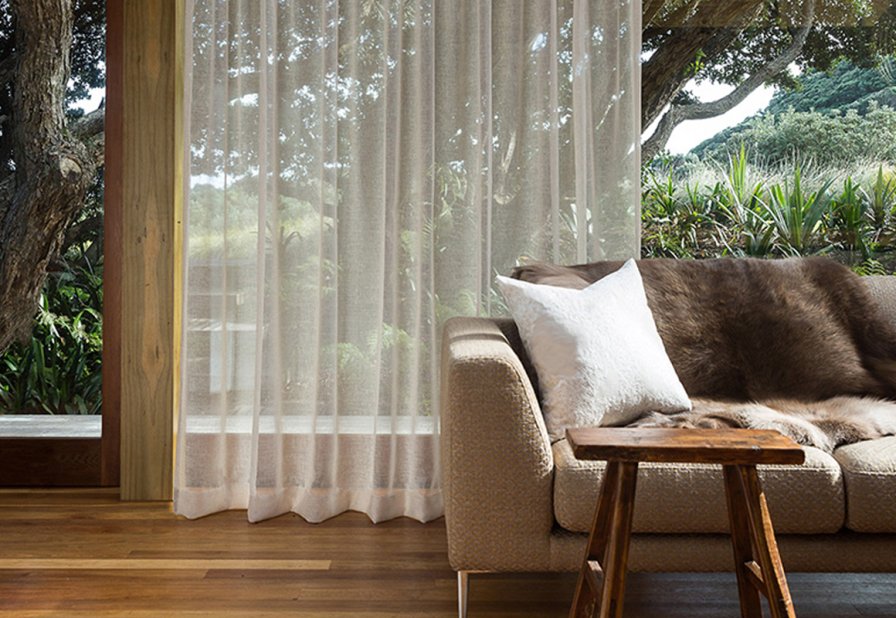
Building a new home is a big investment so you want to get it perfect. Here are a few tips on where your budget could be best used, how to get the most out of it, and things commonly missed when budgeting for a new home build.
Table of contents
How do you set a realistic build budget?
Ironically, the first thing people often don’t quite get right is the actual budget! There’s no point having a beautifully drawn up plan of your dream home only to take it to a builder for a quote and find out it’s more than you can afford and you have to start scaling back.
To determine how much you can (or want to) spend you could choose to establish a cost per square metre, either for the whole house or room by room. Or, work out what you can afford to pay back; a good rule of thumb is that it shouldn’t be more than 25% of your stable monthly income. Most importantly, ALWAYS factor in a contingency. Whatever you think it will cost to build, add at least 10% for surprises.
To get an idea of how much things might cost you can get some ballpark figures on things like cladding, flooring and painting at Builderscrack.co.nz using their cost estimators. They do vary widely, but at least it will give you an idea of where you’re comfortable price-wise before you go shopping around.
And this budget calculator from Buildingguide.co.nz is helpful too as it provides a long list of the different parts of a new home build that will need to be accounted for.
As well as the physical house, part of your budget will be allocated towards making it livable and comfortable; things to consider will be flooring solutions such as carpet or vinyl, heating options, window furnishings and paint or wallpaper. While these are necessities, it can be easy to go over budget by choosing something more extravagant than is needed.
Where is it worth investing the most?
It’s a common mistake to get excited by the pretty new things you want in your home and you can easily waste precious budget on them. You’re better to splurge on things that improve your quality of life as opposed to things that just look good. A good example is a heat transfer and ventilation system; you’ll never be able to see it but it will make a remarkable difference to your life and is worth spending good money on.
Other examples are materials and things that are energy efficient and will reduce heating and cooling costs for years (top notch insulation for example). They may by a big cost initially but will pay for themselves (maybe even save you money) over the life of the house. A good way to work out where your money is best spent is to determine what are ‘must haves’ and what are just ‘nice to haves’.
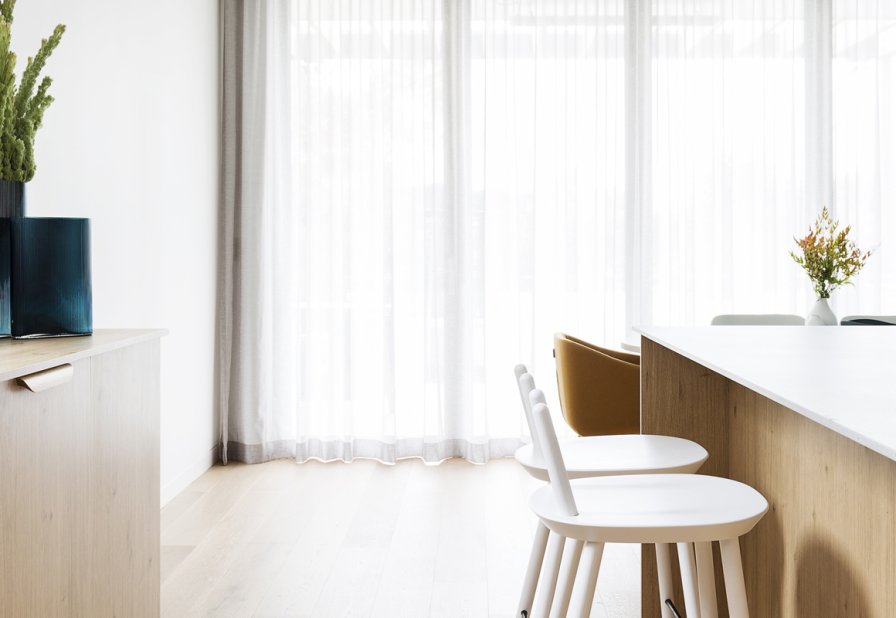
Plan and re-plan
A good way to make the most of your budget is to start with a good plan (of course!) but to also review it as the build progresses. Walk through your build, re-evaluating and reassessing how traffic might flow and where you might put items of furniture. This will help determine if things like lighting and electrical sockets are indeed planned for the right spots. The earlier on you can make these decisions the better as changing things too late often incurs extra costs and eats into your budget.
How can you use your “space budget” wisely?
Just like you have a finite amount of money, you have a finite amount of space. Once it’s been allocated and the build is complete there’s no going back without spending a lot more money. What rooms do you really need? If a room is just there because it’s a ‘nice to have’, there’s every possibility it will only become a dumping ground/storage. Make sure rooms that won’t be used often are multi-purpose. By all means, have a couple of spare bedrooms, just ensure they can easily transition for other purposes like a sewing room or home office.
Think about where you’ll do most of your living and budget for space there. For instance, do you really need a huge bedroom and walk in wardrobe or could those extra couple of metres make a bigger, better difference in a kitchen/dining area?
Another thing to bear in mind is that for every extra room that won’t see much regular use you will still need to decorate, eating up budget in flooring, heating, lighting, window coverings and paint or wallpaper. If you are building on a very tight budget, you could consider leaving these rooms to be decorated at a later date.
Why does futureproofing matter?
Another common mistake people make during a new build is not thinking into the future. When designing your new home take your current lifestyle and habits into consideration as well as thinking about how long you might be living here and what life will be like then. What might your needs be in 5, 10, even 20 years time? Will this build cater for these? It’s better to use your budget now while you have it to include things you know you’ll need in the future. Especially when it comes to storage. Don’t build storage based on the stuff you have now. More often than not we gain rather than reduce our possessions as life goes on.
Budget for labour and professionals
Lots of builders nowadays offer fixed price contracts but a common mistake people make is to not ask what is included in that fixed cost and what is not. Often extra costs happen when certain materials aren’t available and have to be changed. That’s where your 10% contingency budget will come in handy.
And be honest with yourself about what you can DIY and when you should hire professionals. If you make a mistake it’s doubly costly as you might need all new materials on top of having to pay to have it fixed and redone all over again. Which leads to the next point…
Research, research, research!
Ask other people, turn to the internet, and spend time shopping around for quotes and info on the best people and materials for the job. It could be a difference in the thousands!

Lighting & electricals
These two areas are SO important and fall into both the ‘must have’ and ‘nice to have’ categories. Better to budget for essential lighting first and make it good quality before you splurge on under-cabinet lighting in the kitchen. Windows are part of this area too. There should be at least one in every room to let in natural light.
Plan and budget for plenty of electrical sockets around the home. You’d be amazed how much freedom this gives you when arranging your furniture.
Will you need new appliances? And what about an alarm system? These are sometimes missed in a new home build budget.
Landscaping & outdoors
This is an area with a lot of leeway in the budget. What you will definitely need are pathways to and from the house so as not to bring in dirt, and possibly a driveway to keep the land in good condition. But if you need to save money in the budget things like fences and landscaping are ‘nice to haves’ and can be addressed over time.
Interiors
Part of a new build and perhaps one of the more exciting parts, is planning your interior décor. When it comes to window furnishings, you can see how curtain and blind pricing works.
Insurance
A nice new home may come with an increased insurance bill so get a quote before you move. You may also want to shop around for a new insurer.
Other costs to consider
Moving costs (eg. hiring movers or a truck to do it yourself, services connection fees etc.)
Ready to find the right window furnishings for your home? Request a free in-home consultation and one of our local consultants will bring the samples to you, measure up, and give you a no-obligation quote.
Found this helpful? Share it with others…
Guides

Choosing the right curtains for your home
Not sure which curtains will suit your home? Find out everything you need to know with this free guide.


Frequently asked questions
How much contingency should I add to a build budget?
At least 10%. Whatever you think the build will cost, add a contingency on top for surprises — extra costs often crop up when materials aren’t available and have to be changed, even on a fixed price contract.
Where is it best to spend a new home build budget?
On the things that improve your quality of life and are hard to change later, rather than what simply looks good. Heat transfer and ventilation, top-notch insulation and good lighting are worth investing in, because energy-efficient choices pay for themselves over the life of the house.
What costs are most often missed when budgeting for a new build?
Common ones include new appliances, an alarm system, increased insurance, moving costs and services connection fees, plus the decorating cost of every extra room — flooring, heating, lighting, window coverings and paint or wallpaper all add up.
How do I make the most of the space in my new home?
Treat space like money — it’s finite. Budget for space where you’ll do most of your living, make rooms that won’t see much use multi-purpose, and think about your needs in 5, 10 or 20 years, especially for storage.
Expert advice at home
We come to you, anywhere in New Zealand. Because your place is the best place to choose curtains and blinds.