




Shutters vs blinds: which is right for your home?

- Kerrin Auld
- Consultant
In short
Blinds and shutters do different jobs. Blinds are more affordable, come in the widest range of fabrics and styles, and pair easily with curtains, but they wear faster and cords can be a safety risk. Shutters cost more and take longer to fit, but they are hardwearing, child-safe, easy to clean and can last for many years, while adding value to your home. Choose blinds for flexibility and budget, and shutters for durability, a premium look and doors.
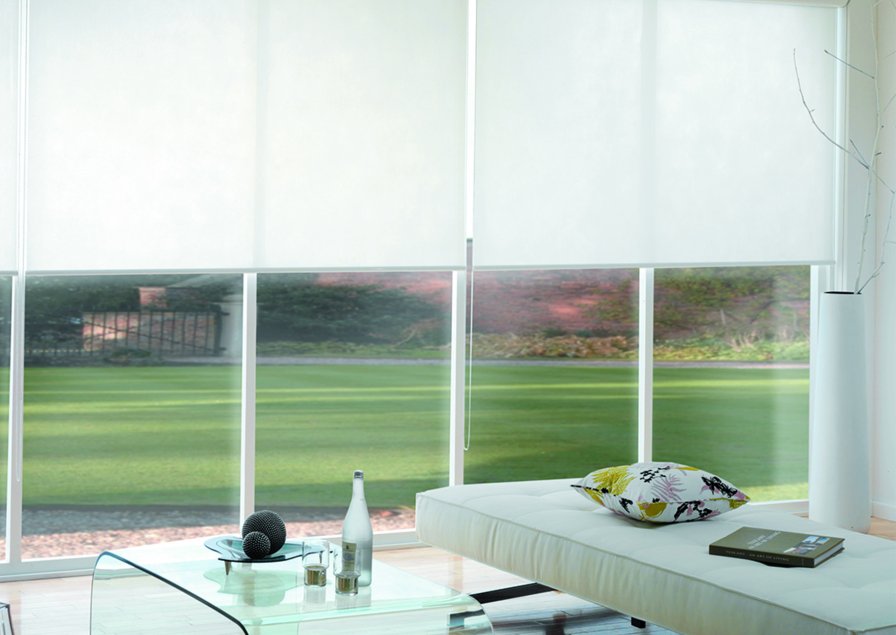
Two very different looks, two very different products. Which is right for your home? Putting personal taste and the obvious visual differences aside, there are functional differences between blinds and shutters that could affect your choice. Here is a quick guide to the pros and cons of each.
Table of contents
Blinds: the pros and cons
Blinds are affordable and versatile. In the simplest terms they split into slat blinds (verticals, venetians and Elegance-Shades) and full-cover blinds (rollers, romans and honeycombs).
Pros
Pair them with other coverings, like curtains, sheers or another type of blind.
Fabric blinds offer a softer look, in a huge variety of styles, designs and colours to suit any home.
Materials to suit any environment, such as PVC for wet areas and lined romans for dark bedrooms.
Affordable, though cost varies with the materials used and the size of the blind.
Easily adjustable to control light, especially venetians and verticals.
Some types can be motorised for a child-safe option, and blockout or thermal linings improve comfort.
Generally easy to keep clean.
Cons
Durable, but less robust than shutters and with a shorter lifespan.
A little more upkeep than shutters; some blinds need professional cleaning and servicing.
Some fabrics and materials can be damaged by UV or too much moisture.
Used in excess, venetians can look visually busy because of all the horizontal lines.
Cords and chains can be a safety risk to children if not properly secured.
What rooms do blinds work best in?
There is not a room in the house that would not suit a blind; it is more about the type you choose for each room. Fabric romans or wooden venetians are not ideal in bathrooms because of the moisture, where a moisture-friendly bathroom blind works better. For more on matching blinds to rooms, see our guide on choosing the right blinds for your home.
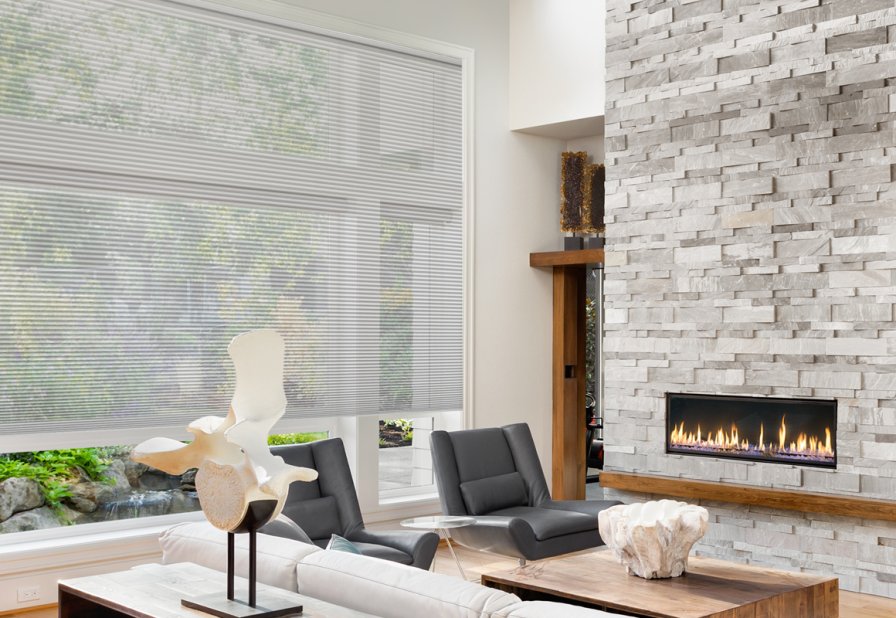
Shutters: the pros and cons
Shutters cost more and take longer to fit, but they are built to last and add a premium, timeless look. Read our guide to the different kinds of shutters for the full picture.
Pros
A unique structure that adds value to your home.
Hardwearing and long lasting; with proper care, shutters can outlast blinds by many years.
Very child-safe, with no cords or chains.
Depending on the material, shutters are excellent insulators, deflecting heat in summer and holding warmth in winter.
Low maintenance and easy to clean; large blades wipe down quickly with no connecting cords.
A timeless yet modern look, available in wood, PVC and faux wood.
Excellent light control and ventilation, especially with a tilt-bar cut or a divider rail so the top and bottom can operate separately.
They stay put with the window open, unlike a blind that flaps in a breeze, and they are perfect for doors because they can be fixed.
Cons
Significantly more expensive to buy than standard blinds, though some feature-heavy blinds can also add up.
They take up more space, fitted to the reveal rather than the recess, so they need deep reveals clear of handles and latches.
They need clearance to open, so consider nearby walls and furniture.
Their weight can make them unsuitable for some window styles.
They take longer to make and install, and are less varied than blinds, though styles like cafe-style are available.
Tip
Choose wide blades for windows where you do not want to compromise the view too much.
What rooms do shutters work best in?
Shutters work for every room; the main thing to consider is the space around the window, since they need clearance to open. For corner windows they may not be ideal, or you could opt for fixed, non-opening shutters. If insulation is your priority, wooden shutters work well, and they can be paired with curtains or a roman blind for extra warmth.
Still torn between the two? Our guide on choosing between curtains and blinds can help, or request a free in-home consultation and we will help you choose the right fit for every window.
Found this helpful? Share it with others…
Guides

Choosing the right shutters for your home
Not sure which shutters will suit your home? From shutter styles and key features to room-by-room advice, this guide covers everything New Zealand homeowners need to know.


Frequently asked questions
Which is better, PVC or vinyl shutters?
Vinyl and PVC are the same material, so there is no difference. Most New Zealand companies call them PVC shutters, while some other countries use the term vinyl shutters.
Which is better, PVC or wooden shutters?
Both are great options, but wooden shutters tend to be higher maintenance. Real timber brings warmth and character; PVC is more durable and lower maintenance, so it comes down to your priorities.
Which is better, PVC or aluminium shutters?
Both are durable. PVC usually comes in faux-wood styles that mimic timber while staying lightweight and hardwearing. Aluminium suits sleeker, more contemporary finishes. Which is better comes down to your style.
Do aluminium shutters get hot?
Aluminium shutters get fairly warm in direct sunlight, but they reflect most of the heat away, helping to keep your home cooler.
Are wood or faux-wood shutters better?
Wood shutters look beautiful but need more care to stay in top shape. Faux-wood offers a similar look at a lower price and is easier to maintain, though it does not quite match the look of real wood.
Expert advice at home
We come to you, anywhere in New Zealand. Because your place is the best place to choose curtains and blinds.