





What to consider when redecorating a villa

- Anna Turner
- Consultant
In short
Redecorating a villa is about bringing it up to a modern standard while keeping its character. Check the common villa issues first (layout, insulation, foundations, borer and rot, asbestos, past modifications), then make decorative choices that honour the period: paint the trims, feature any stained glass, use inside-mounted blinds to keep original window details on show, add floating shelves for storage, and zone awkward rooms with rugs and open furniture.
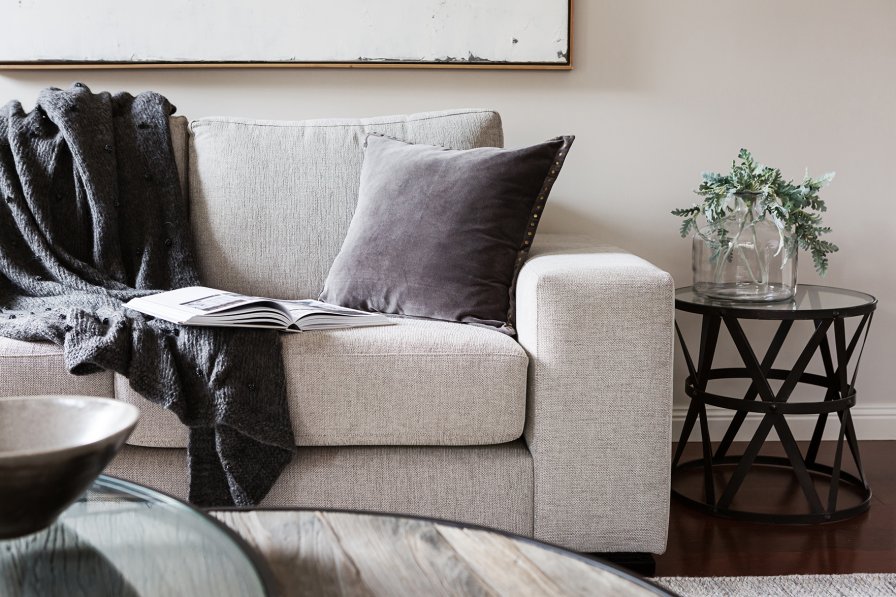
Interior design can be about creating a fresh, current home, or, with older properties like villas, about conserving and showcasing the character of the past. If you want to bring a villa up to a modern standard while keeping some of its charm, here is what to consider, along with a few decorating tips for a great result.
Table of contents
What is a villa?
From the 1880s through to WW1, the villa became New Zealand's most popular house design as urban families needed more than a one or two-room cottage. Early villas were simple, growing more elaborate as more affluent buyers wanted them. They came back into favour in the 1980s and remain in demand, with around 85,000 villas in New Zealand, so this kind of renovation is very common.
Common issues to check
Before you start, look out for the issues that often affect villas:
An unsuitable layout and dated fixtures and fittings, often with poor indoor and indoor-outdoor flow and a small kitchen.
Little natural light in many rooms, low ceilings, and a shortage of power sockets and light fittings (electrical rewiring is common).
Foundations and subfloors that may need re-piling or levelling, plus undersized structural members and bouncy floors.
Borer, rot and mould, asbestos, potentially dangerous brick chimneys, and general ageing of materials.
Illegal or dodgy modifications by previous owners, and non-compliance with current Resource Management Act constraints.
Functional considerations
If alterations have been made over the years, decide whether to keep and incorporate them or start anew, bearing in mind that new construction has to merge with the old, and original materials may no longer be available. A few essentials:
Insulation: villas were built without it, and any added over the years is unlikely to meet today's code, so add plenty of new insulation.
Moisture and weathertightness: the original structure breathes well, so if you make the villa more airtight, add a ventilation system.
Walls and ceilings: expect to deal with walls out of plumb, cracked plaster ceilings, draughts, and jammed windows and doors from settlement, paint build-up or broken sash cords.
Decorative ideas
Paint: if you love the original moulding, trim and door details but they have collected imperfections, paint them all one colour to unify the look. If the trim is in good shape, a neutral contrasting shade (carried onto the ceiling) makes it stand out for a grand, stately feel.
Hero any stained glass: if you are lucky enough to have original stained glass, paint the surrounding areas white to make it a feature.
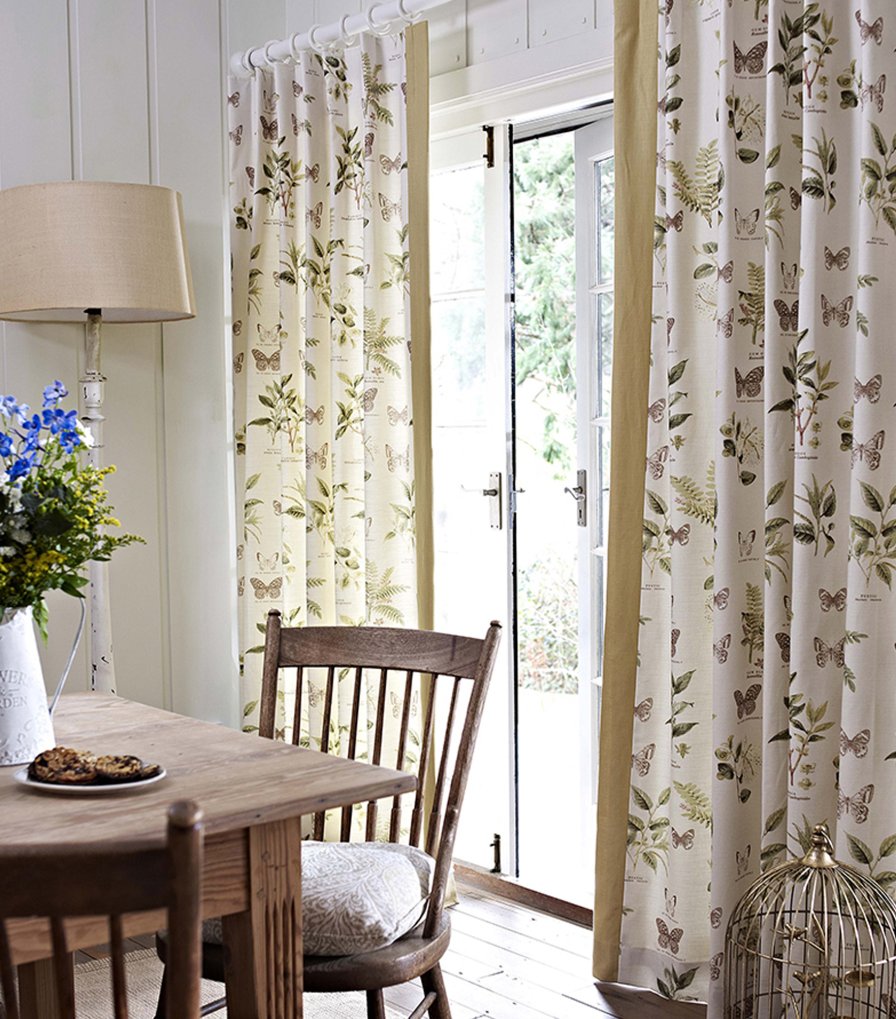
Curtains and blinds: an inside-mounted blind keeps vintage window trims on display while modernising the room (our guide on inside versus outside mounting helps). For the quirky small windows villas often have, curtains or sheers tend to work better.
Storage and zoning: floating shelves add storage without using floor space, and you can break awkwardly shaped rooms into zones with rugs and open-sided furniture so areas feel designated but still connected.
For window furnishings that suit your villa's character, request a free in-home consultation and one of our consultants will help you balance period charm with modern comfort.
Found this helpful? Share it with others…
Guides

Choosing the right curtains for your home
Not sure which curtains will suit your home? Find out everything you need to know with this free guide.


Frequently asked questions
What is a villa?
Villas were the most popular New Zealand house design from the 1880s through to WW1, built as growing families needed more than a one or two-room cottage. They surged in popularity again from the 1980s and remain in demand, with around 85,000 villas in New Zealand, so renovating them is very common.
What should you check when renovating a villa?
Common issues include an unsuitable layout and dated fixtures, little or no insulation, low ceilings, foundations and subfloors that need re-piling or levelling, borer, rot and mould, asbestos, and any illegal or dodgy modifications by previous owners. A thorough check upfront avoids surprises.
What window furnishings suit a villa?
An inside-mounted blind keeps the original window trims on display while modernising the look. For the quirky, small or unusually placed windows common in older homes, curtains or sheers tend to work better than blinds.
How do you add storage to a villa?
Villas are notoriously short on built-in storage. Floating shelves add storage without taking up valuable floor space, which suits the smaller footprint of most villas.
Expert advice at home
We come to you, anywhere in New Zealand. Because your place is the best place to choose curtains and blinds.