




When to choose single, double, or triple pleat curtains

- Jennifer Elliot
- Consultant
In short
Pinch pleat is the most popular curtain heading, and the number of pleats you choose changes both the look and the cost. Single pleat is the most economical and modern, and suits bold patterns and small rooms; double pleat adds a fuller, more elegant drape; and triple (French) pleat is the most traditional and opulent, using the most fabric. More pleats means more fabric, more cost and more stacking space beside your windows, so the right choice depends on your fabric, your room and your budget.
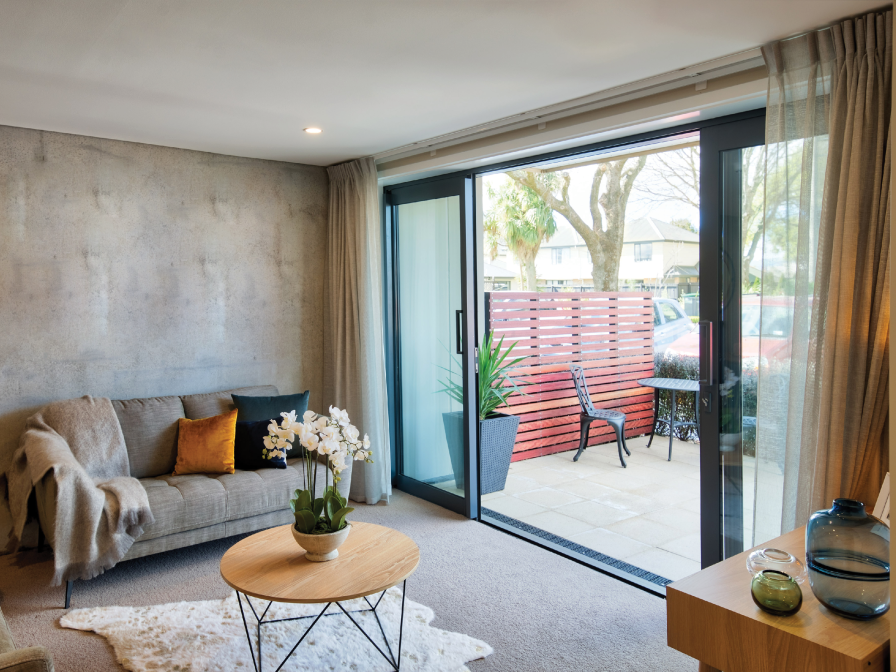
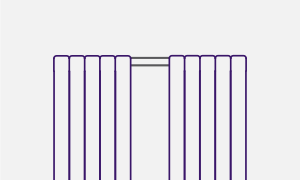
When it comes to heading styles, a pinch pleat (also simply referred to as a pleat) is the most popular option out there. It's neat, stylish and suits most fabrics, plus it works with a track or a rod. The pleats are created using a stiff backing material called buckram along the top of the fabric to hold the pleats in place.
However, there are still some things to consider with a pleat heading syle - mainly how many pleats you want. It may seem a small decision, but it can drastically impact how your curtains hang as well as how much they cost. Let's take a look at the options.
Table of contents
What are single pleat curtains best for?
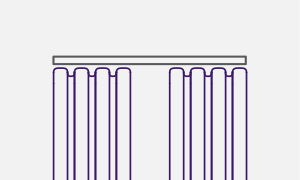
A modern look and economical choice, single pleat curtains are the most simplistic options. But that doesn't mean they're boring! Single pleat can be a great choice for fabrics with a big bold pattern as the pattern won't be broken up as much. They are also wonderful in small spaces where you don't want too much extra fabric that can end up feeling bulky and in the way in small rooms.
What do double pleat curtains offer?
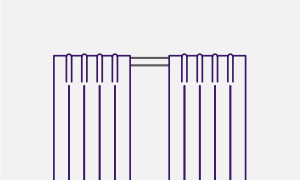
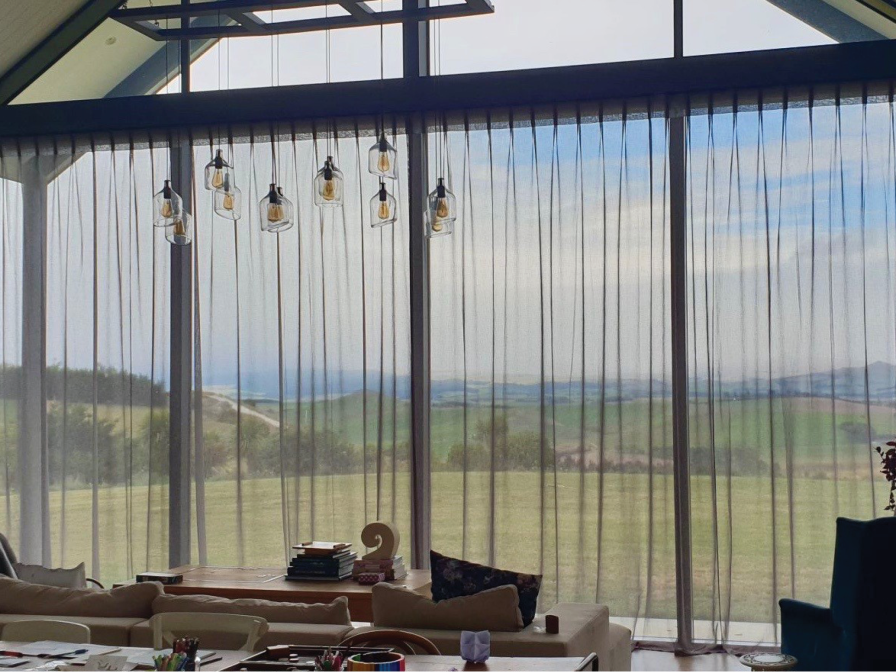
The double pleat creates a more elegant feel with a fuller drape. It uses a bit more fabric to create the extra pleats but is still an economical option.
When should you choose triple pleat curtains?
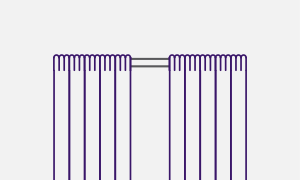
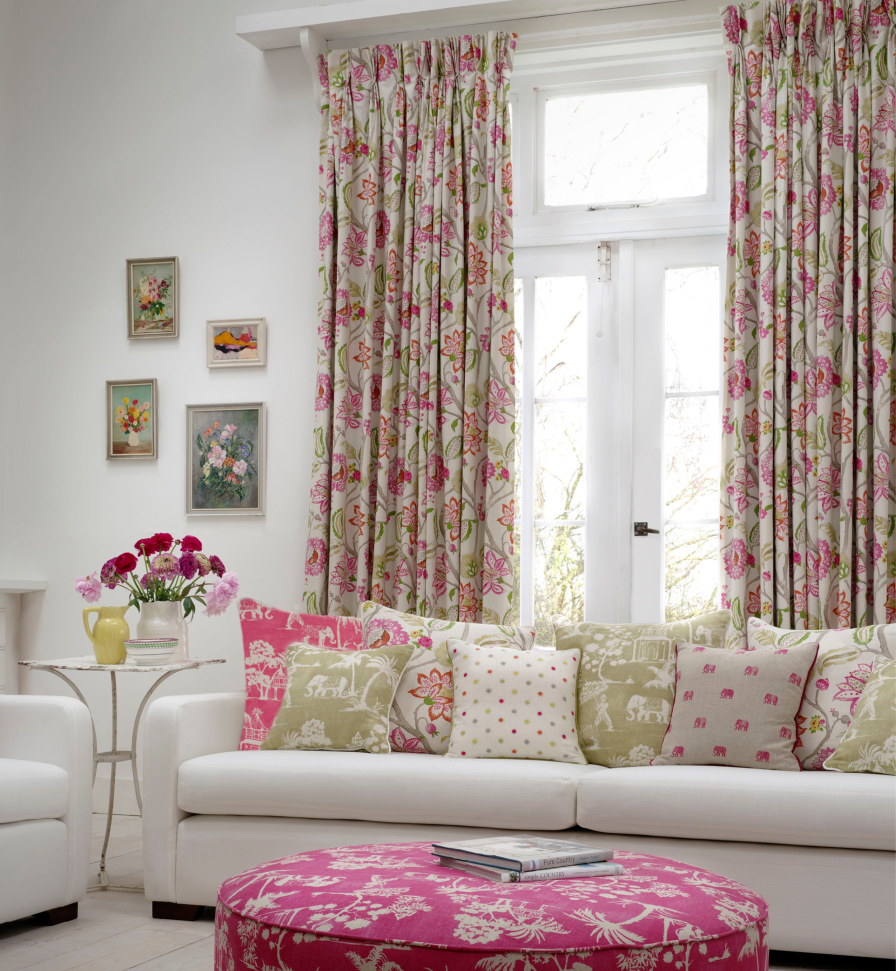
Also known as the French pleat, this is a more traditional heading style that creates an opulent look. Often used in villas or more formal environments, it requires the most fabric of the three options.
Is more pleats always better?
Keep in mind, the more fabric required, the more your new curtains will cost. And don't forget to consider your space as well. The more pleats in your heading style, the more space you'll need on the sides of your windows to stack the curtains when they're open. If you’re still weighing up the look you want, our guide to choosing a curtain heading style walks through the wider options. Our consultants can also provide expert advice on the right heading style for your space.
To see and feel the different pleat styles against your own fabrics and windows, book a free in-home consultation.
Found this helpful? Share it with others…
Guides

Choosing the right curtains for your home
Not sure which curtains will suit your home? Find out everything you need to know with this free guide.


Frequently asked questions
What’s the difference between single, double and triple pleat curtains?
They differ in how many folds make up each pleat. Single pleat is the simplest and most modern, double pleat adds a fuller, more elegant drape, and triple (French) pleat is the most traditional and opulent. More pleats means more fabric and a fuller look.
Which pleat style is the most affordable?
Single pleat is the most economical because it uses the least fabric, with double pleat a little more and triple pleat the most. Since heading style is the biggest driver of fabric used, it’s one of the main things that affects the final cost of your curtains.
Which pleat style suits a small room?
Single pleat is often the best fit for small rooms, as it carries less fabric and won’t feel bulky or get in the way. It’s also a lovely choice for bold patterned fabrics, because the pattern stays largely unbroken.
Do more pleats need more space beside the window?
Yes. The more pleats in your heading, the more fabric there is to gather when the curtains are open, so you’ll want more room on either side of the window for the curtains to stack. Your local Russells consultant can help you weigh this up for your space.
Expert advice at home
We come to you, anywhere in New Zealand. Because your place is the best place to choose curtains and blinds.